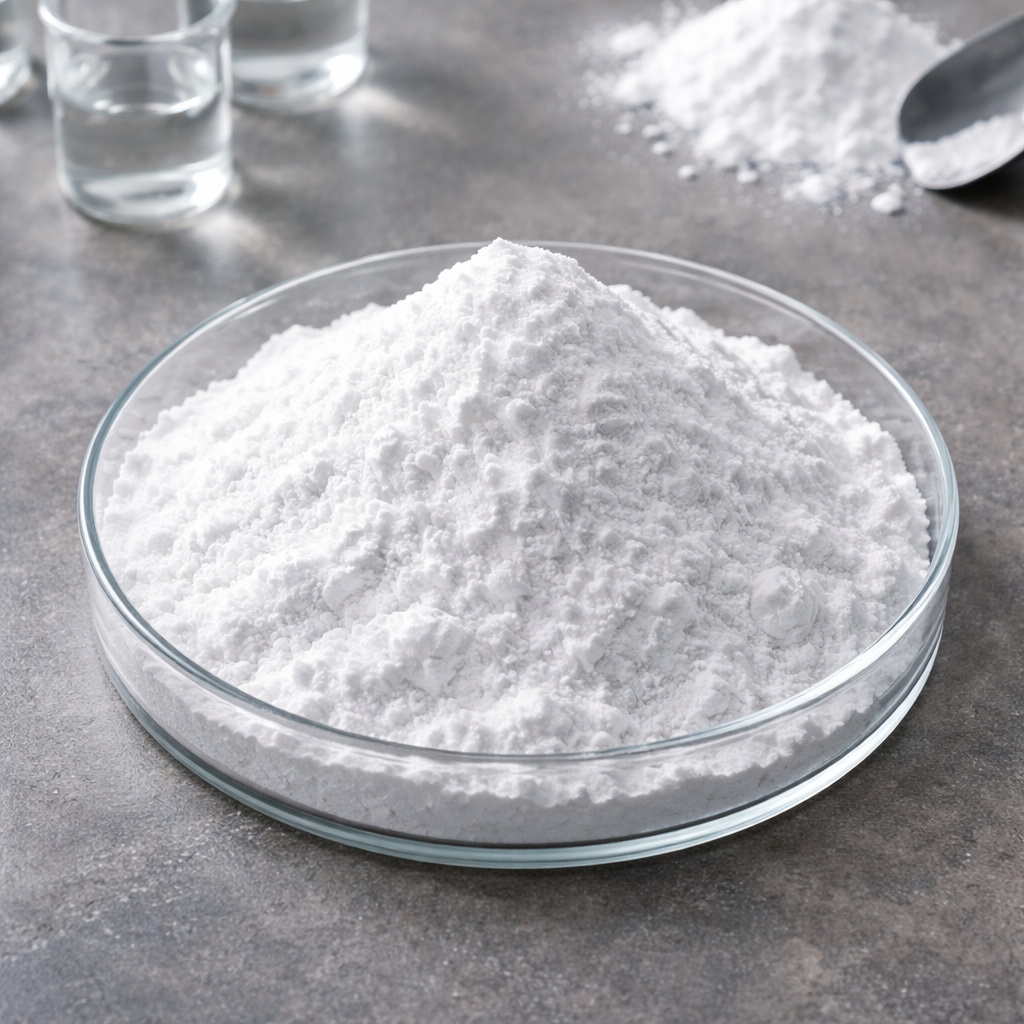
(June 11, 2026) With the continuous segmentation of downstream application scenarios and ongoing upgrades in technical standards, the domestic silica industry has bid farewell to extensive price competition and officially entered a new stage of technology-driven and category segmentation. Various functional and customized specialized white carbon black products are gaining market heat, and technological R&D and product adaptability have become the core competitiveness for enterprises to establish themselves in the market.
Currently, the boundaries of silica applications continue to expand, no longer limited to traditional rubber and tire fields. In the high-end manufacturing sector, electronic vaporized silica is widely used in electronic seals, lithium battery materials, semiconductor auxiliary materials, and other sectors due to its excellent strengthening, thickening, and insulation properties. Downstream electronics manufacturers maintain stable procurement demand, demanding strict requirements for product purity, particle size distribution, and hydrophobicity, making high-end electronic-grade products in high demand for a long time. Pharmaceutical-grade and cosmetic-grade white carbon black in the daily chemical, food, and pharmaceutical sectors has steadily increased market share and accelerated import substitution pace thanks to its safe and environmentally friendly product features.
Traditional mainstream markets are also experiencing technological innovation. The tire industry has fully implemented new standards for low rolling resistance and high wear resistance, forcing white carbon black companies to develop specialized models with high dispersion and low lag. Currently, mainstream domestic tire manufacturers are optimizing their formulations and increasing the use of functional silica, while the proportion of traditional general-purpose product procurement is gradually declining. Industries such as rubber products, plastics, and coatings are also sourcing customized silica based on end-product demand, including anti-settling, high-strengthening, and matte types, with the space for standardized general goods circulation continuously narrowing.
On the production side, industry technology upgrades are being fully rolled out. Traditional sedimentation processes are continuously being optimized, with energy consumption and waste residue emission indicators steadily declining; Vapor phase production technology continues to make breakthroughs, with significant improvements in domestic equipment and process maturity, effectively reducing the production cost of high-end products. At the same time, recycling-oriented production processes are gradually being implemented, using technology from agricultural and forestry by-products to produce white carbon black, achieving small-scale mass production, which reduces costs and increases efficiency while meeting the requirements of dual carbon development.
Industry insiders analyze that future growth drivers for the silica industry will be fully focused on specialized product segments. Small and medium-sized manufacturers relying solely on capacity expansion and low-price sales are under increasing survival pressure, accelerating industry reshuffling. Leading companies with R&D capabilities and the ability to provide one-stop customized solutions will continue to capture market share in the high-end market. With the continuous momentum of new energy, electronic information, and high-end new materials industries, special silica adapted to emerging fields will also open up long-term growth potential.