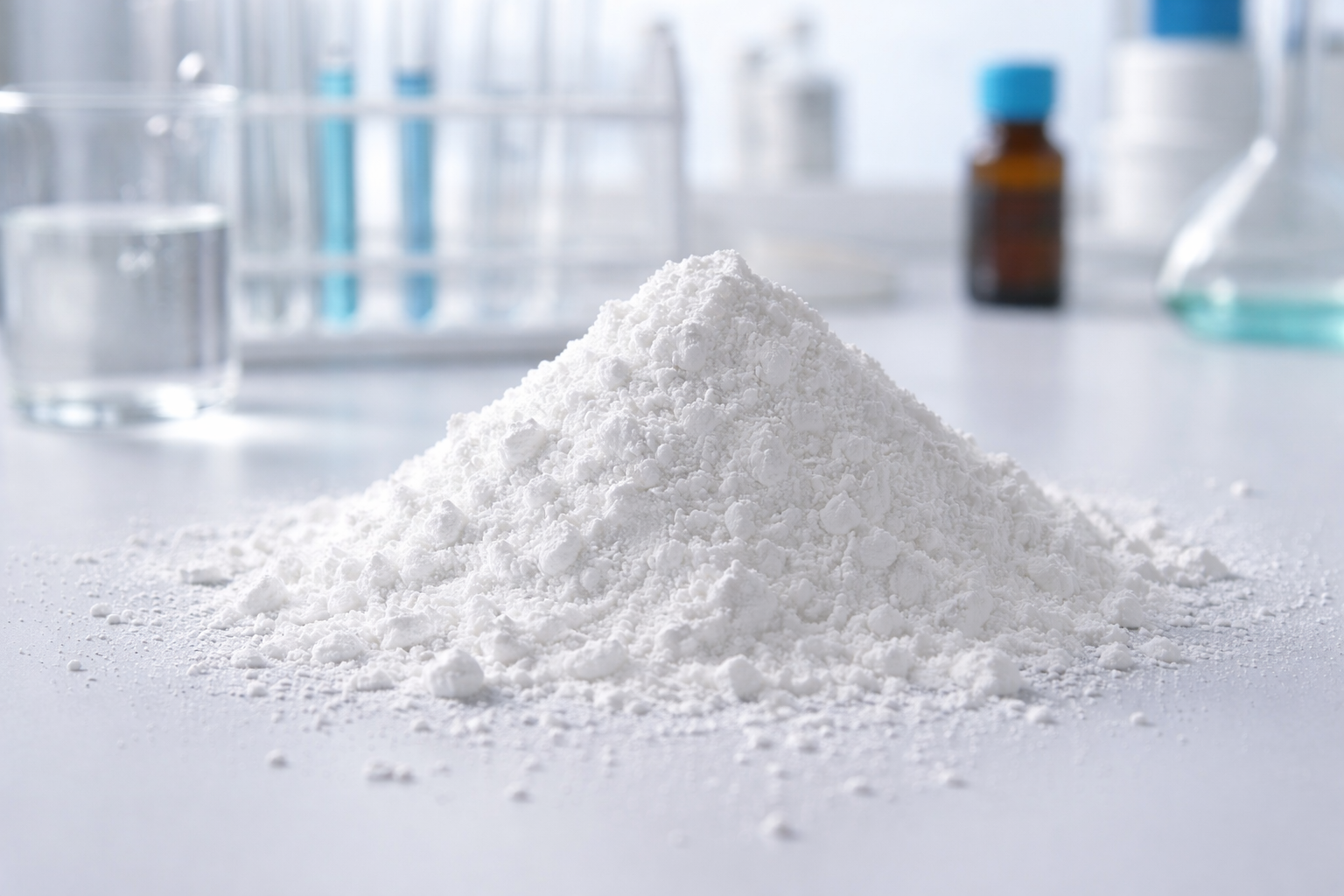
(June 11, 2026) The latest industry data shows that in June 2026, the domestic silica gel (precipitated silica) market continued its structural trend of "stable general prices, strong performance in the high-end segment, and green expansion." Demand from sectors such as new energy vehicles, photovoltaics, and high-end silicone rubber continued to grow. Coupled with the implementation of new regulations for green tires and an increase in export orders, the industry is entering a period of accelerated high-end development and low-carbon transformation.
Market prices: Benchmark prices remain stable, with increases in both volume and price for high-end models
According to data monitored by Business Society on June 10, the benchmark price for domestic silica gel remained at 6,000 yuan per ton, a slight decrease of 1.1% month-on-month but an increase of 2.8% year-on-year, overall remaining at a relatively high level in recent years. Regional market trends have diversified: The price range for rubber-grade silica gel in Shandong is between 5,100 and 6,000 yuan per ton, showing a stable performance; prices in Fujian and Jiangxi remain stable; industrial-grade silica gel in Jinan is priced at 5,000 to 5,800 yuan per ton, while ultra-fine silica gel with a mesh size of 1300 or higher is priced at 6,200 yuan per ton, indicating a significant premium for high-end products.The high-end niche markets are performing strongly.
Orders for modified special fumed silica used in new energy vehicle batteries, photovoltaic sealants, and high-end silicone rubber products are scheduled to be delivered until July. The prices of these products are 15%-20% higher than those of general-purpose models, and demand far exceeds supply. The localization process of fumed silica produced by the gas-phase method is accelerating, and the self-sufficiency rate of domestic products has increased to 68%, gradually breaking the import monopoly. Although the prices of electronic-grade and pharmaceutical-grade high-end products are still higher than those of those produced by the precipitation method, they now offer significant cost-performance advantages compared to imported products.
On the demand side: The simultaneous development of green tires and new energy vehicles has led to a surge in downstream procurement activity
As new domestic regulations regarding green tires continue to be implemented and the mandatory use of low-roll-resistance tires expands, traditional tire formulations based solely on carbon black can no longer meet environmental protection requirements. As a result, the proportion of highly dispersed fumed silica added to tire compounds has been increased significantly. In early June, leading domestic tire manufacturers began bulk purchasing, with their order volumes increasing by 20% month-on-month. They focused on acquiring highly dispersed fumed silica with low hysteresis properties to meet the lightweighting and energy-saving demands of new energy vehicle tires. Data shows that by 2026, the consumption of fumed silica in tires for new energy vehicles will account for 35% of the total tire consumption volume, indicating a continued upward trend in this ratio.
The demand for new energy and emerging industries is growing in multiple areas, becoming the core driving force behind industry growth. In the field of photovoltaics, the demand for fumed silica, used as a sealant and a toughening agent for photovoltaic glass, increased by 30% year-on-year. Demand in areas such as new energy battery separators, silicone rubber cables, and high-end personal care products is also increasing steadily, driving the rapid expansion of specialized applications for fumed silica. The export market has also performed well, with significant growth in orders from Southeast Asia and Europe. Low-carbon and environmentally friendly fumed silica, with its advantages of low energy consumption and low emissions, has helped companies avoid EU carbon tariffs, making it a new growth point for foreign trade.
On the supply side, outdated production capacity is being phased out more quickly, while green production capacity is being concentrated and developed
Industry policies continue to tighten, prompting the rapid elimination of low-end production facilities. For example, Jiangsu Province implemented new regulations on chemical industry restructuring in January 2026, which explicitly restricted the use of non-vaporous processes and non-carbon dioxide-based techniques in fumed silica production and phased out facilities with an annual output of less than 15,000 tons. Data from the China Inorganic Salt Industry Association shows that approximately 120,000 tons of outdated production capacity were eliminated in the first half of 2026, and it is expected that another 150,000 to 200,000 tons of small and medium-sized production capacity will be phased out throughout the year, further increasing industry concentration.Leading enterprises are accelerating the development of green and high-end production capacities.
Global top 10 suppliers such as Quecheng Co., Ltd. and Longxing Chemical have been increasing their investment in the production of high-dispersity fumed silica and gas-phase fumed silica. The industrialization of循环法 fumed silica, which uses rice husk ash as raw material, is also progressing rapidly. By leveraging policies for the resource utilization of agricultural and forestry waste, these companies are achieving low-carbon production, in line with the trend towards green development. At the same time, the pace of technological transformation and upgrading within the industry is accelerating. Enterprises are gradually replacing outdated equipment such as coal-fired hot blast stoves and adopting cleaner processes involving gases or carbon dioxide acid to reduce energy consumption and emissions.
Industry trends: High-end development, greening, and centralization become the core directions
Experts in the industry believe that the period from 2026 to 2030 will be a critical phase for the high-quality development of the fumed silica industry, with high-end development, greening, and centralization becoming the three main trends. In the short term, the growing demand for green tires and rapid expansion in the new energy sector will support stable prices for high-end fumed silica. In the medium to long term, stricter environmental protection policies and higher technical barriers will lead to a concentration of production capacities in leading enterprises, with the market share of the top five companies expected to exceed 52%.Technological innovation has become the core of competition.
Breakthroughs in technologies such as wet in-situ modification, AI process control, and clean production processes will determine the market position of enterprises. At the same time, the rapid development of downstream industries such as new energy, photovoltaics, and high-end manufacturing will continue to drive the demand for high-end specialized fumed silica, prompting the industry to shift from "scale expansion" to "value enhancement" and ushering in a new round of development opportunities.
http://www.siliconeoil.net