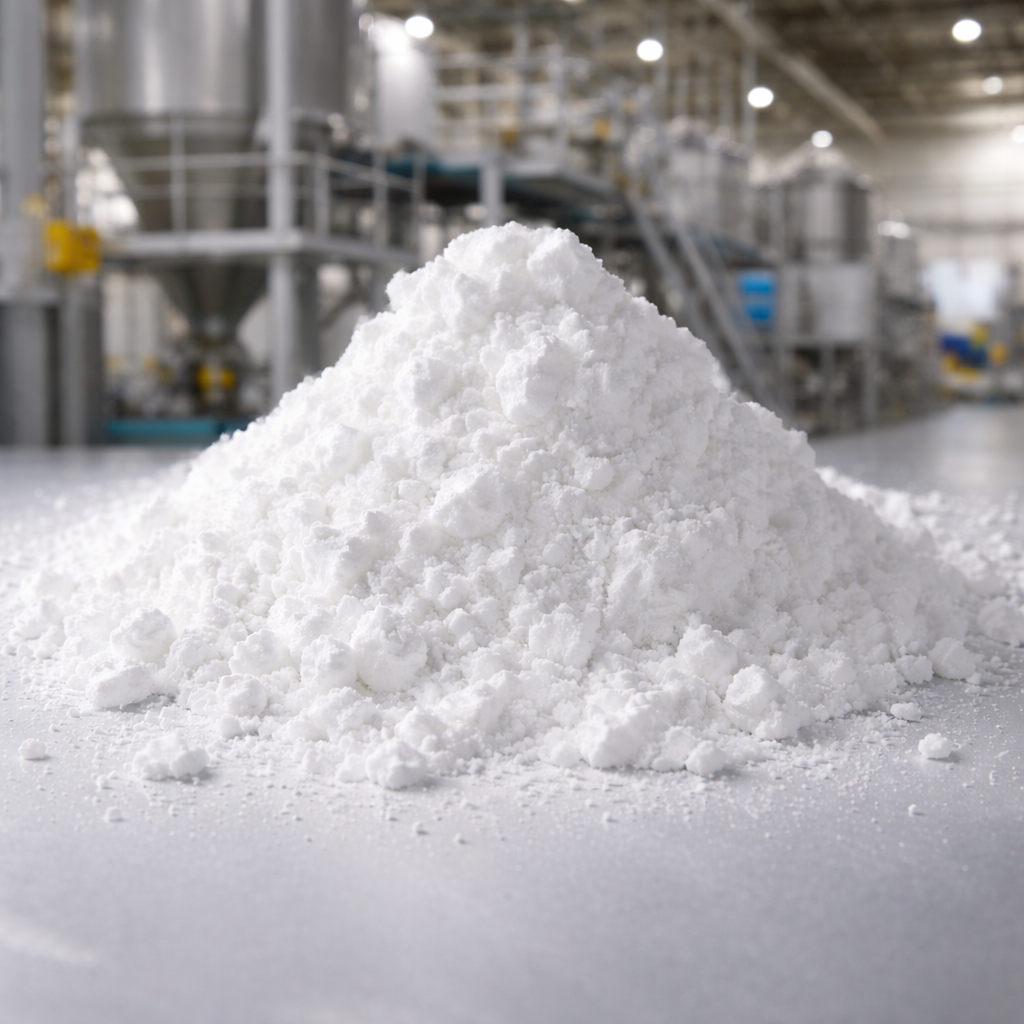
(June 10, 2026) In the first half of 2026, the domestic silica industry will no longer rely solely on the traditional rubber sector for growth. With the rise of demand in emerging fields such as new materials, new energy, and fine chemicals, the industry's application structure will continue to optimize, the value of the industry chain will keep rising, and the logic of industrial development will undergo a complete transformation.
In traditional application fields, existing markets such as rubber, coatings, and daily chemicals operated steadily. Domestic tire companies maintain stable operating rates, supply and demand for ordinary reinforced silica are basically balanced, market transactions are mainly long-term contracts, individual orders are moderately active, mainstream product prices remain stable, and profit margins for small and medium-sized manufacturers remain within a reasonable range. Due to industry competition, homogeneous competition among low-end general goods remains fierce, and profit growth remains weak.
Emerging sectors have become the core drivers of industry growth. Fields such as photovoltaic packaging materials, new energy vehicle sealants, lithium battery auxiliary materials, and high-end specialty rubber have stringent requirements for silica quality, with high-end products like high dispersion, hydrophobic modification, and ultrafine vapor phase methods in short supply. These high value-added products have high technical barriers and outstanding premium capabilities, which also forces domestic companies to increase R&D investment and continuously promote process upgrades and product iterations.
At the policy orientation level, the dual carbon goals continue to advance, and environmental control is becoming increasingly stringent. Traditional high-energy-consuming production processes are gradually being phased out, and a circular economy model of producing white carbon black from solid waste such as rice husk ash and industrial by-products is rapidly being promoted. Low-carbon and environmentally friendly products not only meet domestic green production requirements but also successfully open up overseas markets, with foreign trade orders steadily rising.
Industry insiders say that the white carbon black sector is currently at a critical stage of capacity structure adjustment and product upgrades. In the future, relying solely on scale expansion will be unsustainable. Deepening the presence of high-end niche markets, mastering core modification technologies, and building green and low-carbon production lines will become key for companies to establish themselves in the market and enhance their core competitiveness. With the continuous expansion of emerging downstream industries, the high-end silica black market still has significant growth potential.