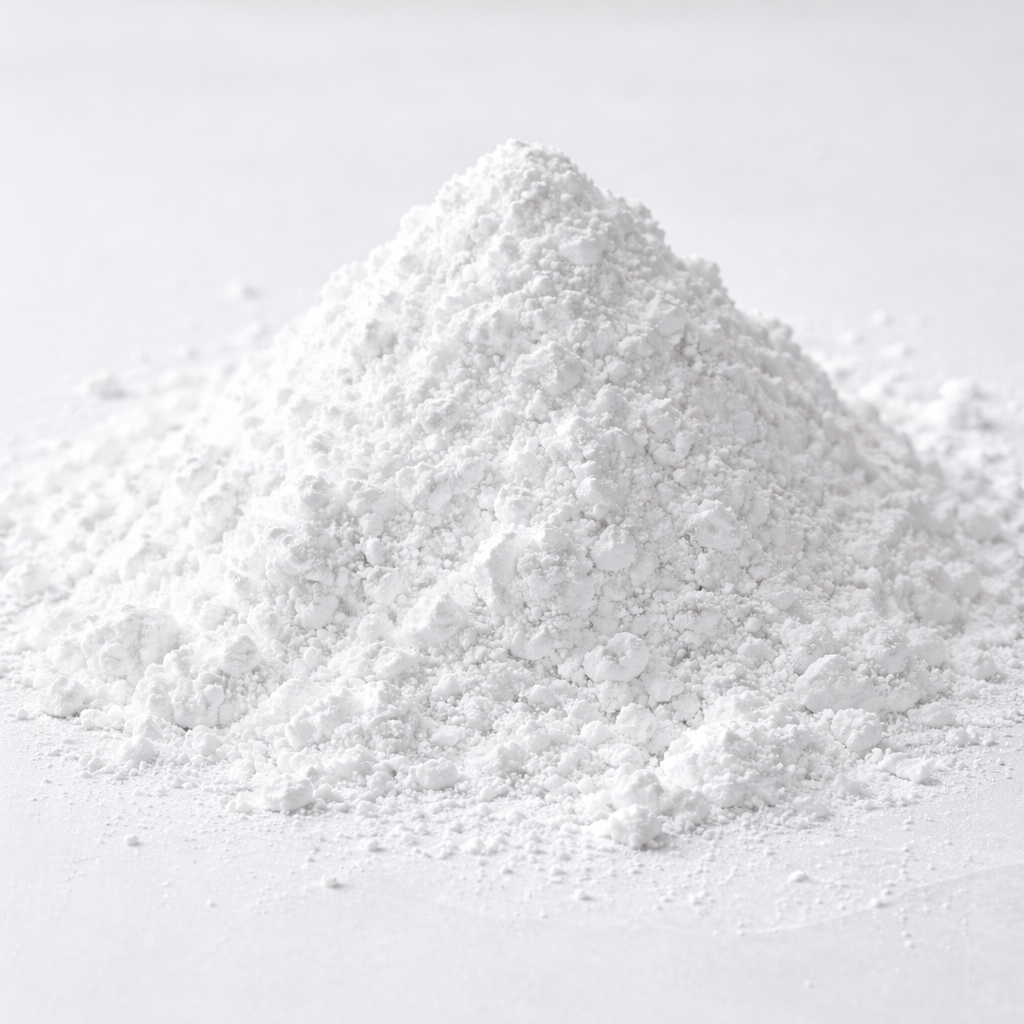
(June 10, 2026) Entering June 2026, the domestic silica (precipitated silica industry) continues its structural trend of "stable general prices, strengthened high-end, and green expansion." Coupled with sustained demand growth in new energy vehicles, photovoltaics, and high-end silicone rubber, the industry's high-end and low-carbon transformation has entered an accelerated phase.
1. Market Price: Benchmark prices remain steady, while high-end models remain firm
According to the latest monitoring data from Business Society, on June 10, the domestic benchmark price for white carbon remained stable at 6,000 yuan/ton, while mainstream quotes in major production areas such as Shandong were 5,800-6,000 yuan/ton, basically flat compared to late May and down 1.1% year-on-year. Clear differentiation in subcategories:
General precipitation method for silica: supply and demand are balanced, price fluctuations are limited, rubber-grade in Shandong is quoted at around 5800 yuan/ton, mainly from existing customer orders;
High-end vapor phase method / high-dispersion specialized white silica: tight order schedules, firm prices, 30%-50% premium over general models, mainly supplied for green tires, new energy seals, photovoltaic films, and other fields;
Food/pharmaceutical grade silica: demand remains steady, quoted at 3500-5000 yuan/ton, with gross margins higher than industrial grade, making it a profit growth point for leading companies.
2. Industry Trends: Major projects are being implemented, and green capacity is expanding rapidly
Recently, the industry has seen multiple major investments, focusing on low-carbon processes and high-end capacity:
Zhongke Fu Hydrogen 200,000-ton Project Announcement (June 5): Zhongke Fu Hydrogen (Shandong) New Energy invested 1.02 billion yuan to build the world's first carbon dioxide acidification silica project, built in three phases. Phase I is 60,000 tons per year and expected to be commissioned in 2027. Once fully operational, the annual output value will exceed 1.2 billion yuan. Its core advantages are low carbon emissions and low cost, meeting EU carbon tariff requirements;
Accelerated industrialization of rice husk ash recycling technology: Relying on policies for resource utilization of agricultural and forestry waste, many companies have set up production lines for extracting silica from rice husk ash, reducing emissions by more than 40% compared to traditional quartz sand processes, becoming a new export selling point. Since June, export orders have increased by 25% year-on-year;
Leading companies intensify technological upgrades: Companies such as Quecheng Co., Ltd., and Linke Technology are accelerating the expansion of highly dispersed, hydrophobic modified silica production lines, targeting the new energy vehicle and high-end coatings markets. The import substitution rate for domestically produced fumed-phase silica has risen from 45% in 2024 to 58% in 2026.
3. Demand Driver: New energy becomes the core engine, exports continue to improve
Tire industry (48.5% share): Rising penetration of new energy vehicles is driving explosive demand for green tires. High-dispersion silica can reduce tire rolling resistance by 15%-20%. By 2026, new energy tire silica consumption is expected to account for 35%, with leading tire companies having strong orders;
New Energy and Photovoltaics: Demand for silica as a silicone rubber reinforcement and photovoltaic film anti-caking agent has increased by 40% year-on-year. Since June, orders for photovoltaic-grade specialized silica have been scheduled through August;
Export markets: Low-carbon silica leveraged its environmental advantages to capture overseas market share, with exports increasing 18% year-on-year from January to May. The EU and Southeast Asia are the main destinations, effectively offsetting pressure from the domestic general market.
4. Market Outlook: Structural differentiation continues, with green and high-end as the main theme
Industry analysts believe that in the short term, the silica market will maintain a pattern of "general stability and high-end strengthening." June to August is traditionally a low demand period, with a low probability of large price fluctuations; In the medium to long term, green and low-carbon production capacity, high-end modification technologies, and new energy supporting capabilities will become core competitive advantages. With projects like Zhongke Fu Hydrogen being implemented, the industry may see a new round of supply structure optimization in 2027, with domestically produced high-end silica expected to dominate the domestic market and deeply participate in global competition.
http://www.siliconeoil.net