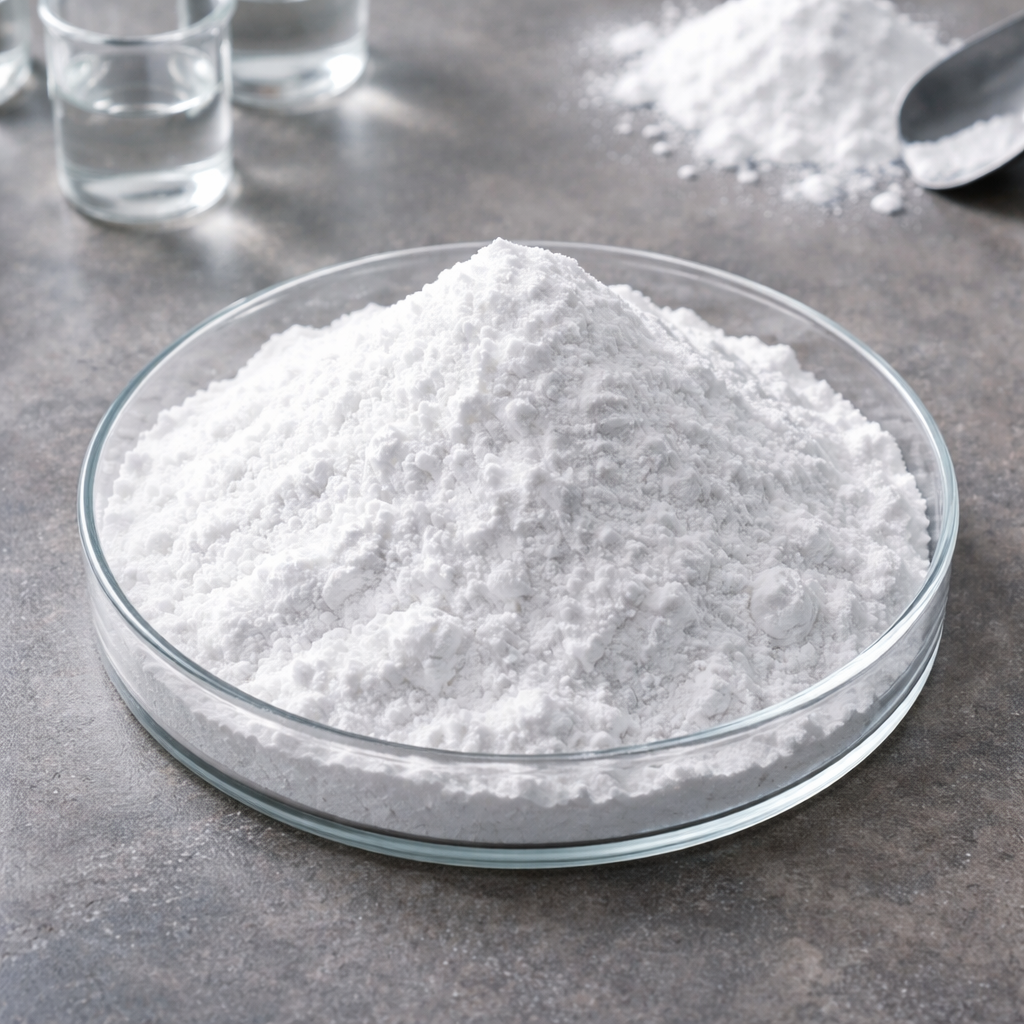
(June 9, 2026) Recently, the domestic silica (precipitated silica precipitation) industry has shown a development trend of "stable yet firm prices, accelerated high-end domestic substitution, and concentrated green production capacity." As of June 8, data from Business Society shows that the benchmark price for white carbon remains stable at 6,000 yuan/ton, while major production areas like Shandong maintain quotes in the 5,800-6,000 yuan/ton range. High-end vapor-phase and highly dispersed specialized models remain firmly priced due to tight orders, intensifying structural divergence in the industry.
1. Major projects are being launched intensively, capacity expansion focuses on high-end green products
Major industrial projects are accelerating, with both scale and greening progressing in parallel. On June 5, the Zhongke Fu Hydrogen (Shandong) New Energy 200,000 tons/year carbon dioxide acidification silica project was announced, with a total investment of 1.02 billion yuan. The first phase (60,000 tons) is expected to be put into production within the year, while the second and third phases have a combined capacity of 140,000 tons, focusing on supporting the green tire and new energy vehicle sealing markets. Meanwhile, leading companies such as Quecheng Co. and Linke Technology continue to push forward technological upgrades and capacity expansions, focusing on high-dispersion, low-rolling resistance specialized silica to meet the lightweight needs of new energy vehicle tires.
2. Gas Phase Method Breaks Overseas Monopolies, Localization Reshapes the Industrial Chain Structure
The high-end fumed silica sector, long monopolized by overseas companies, has seen substantial breakthroughs. Since 2026, many domestic chemical enterprises will achieve domestic mass production of the vapor phase process, with core indicators such as product purity and specific surface area reaching international standards, gradually replacing imports. Previously, China's high-end fumed silica was highly dependent on imports, with high procurement costs in automotive electronics, high-end silicone, and pharmaceutical excipients; After domestic technology is implemented, prices are 15%-20% lower than imported products, directly driving the value restructuring of the industry chain and forcing overseas brands to cut prices and offer discounts.
3. Accelerating green transformation, with resource recycling becoming the core competitiveness
Driven by the "dual carbon" policies and new environmental regulations, the silica industry's green manufacturing transformation has accelerated comprehensively. Traditional sedimentation methods produce high water consumption and high waste discharge, but now companies are turning to green approaches such as by-product salt recovery, wastewater recycling, and resource utilization of rice husk ash. In early June, circular silica made from rice husk ash was industrialized, leveraging its low-carbon attributes to avoid EU carbon tariffs and becoming a new growth point for foreign trade. Industry consensus is clear: the level of resource recycling directly determines production costs and market competitiveness, and green capacity will dominate future market share allocation.
4. Upgrading the demand structure, with dual driving from new energy and exports
Downstream demand shows structural growth, with new energy and exports becoming the core driving forces. The tire sector remains the largest application scenario (about 48.5%), and the popularization of new energy vehicles has driven a surge in demand for highly dispersed silica. By 2026, the share of silica used in new energy tires has reached 35%; Demand in silicone rubber, photovoltaic films, and high-end coatings rose simultaneously, supporting tight orders for specialized modified silica. In terms of exports, from January to May, domestic white carbon black exports increased by 12.3% year-on-year. Gas-phase and green circular products, leveraging cost-effectiveness and low-carbon advantages, are exported to Southeast Asia, Europe, and the Middle East.
5. Market Outlook: Structural opportunities are emerging, with high-end green as the main theme
Industry experts predict that by 2026, China's white carbon black market size will reach 21.29 billion yuan, a year-on-year increase of 7.2%, marking a shift from rapid expansion to structural optimization. In the short term, prices for general precipitation method of silica will remain stable, with both volume and price increases for high-end vapor phase, highly dispersed specialized, and green circular products; In the medium to long term, leading companies with technological barriers, green capacity, and cost advantages will dominate the market, accelerating the clearing of outdated small and medium-sized capacity, and continuously increasing industry concentration.
http://www.siliconeoil.net