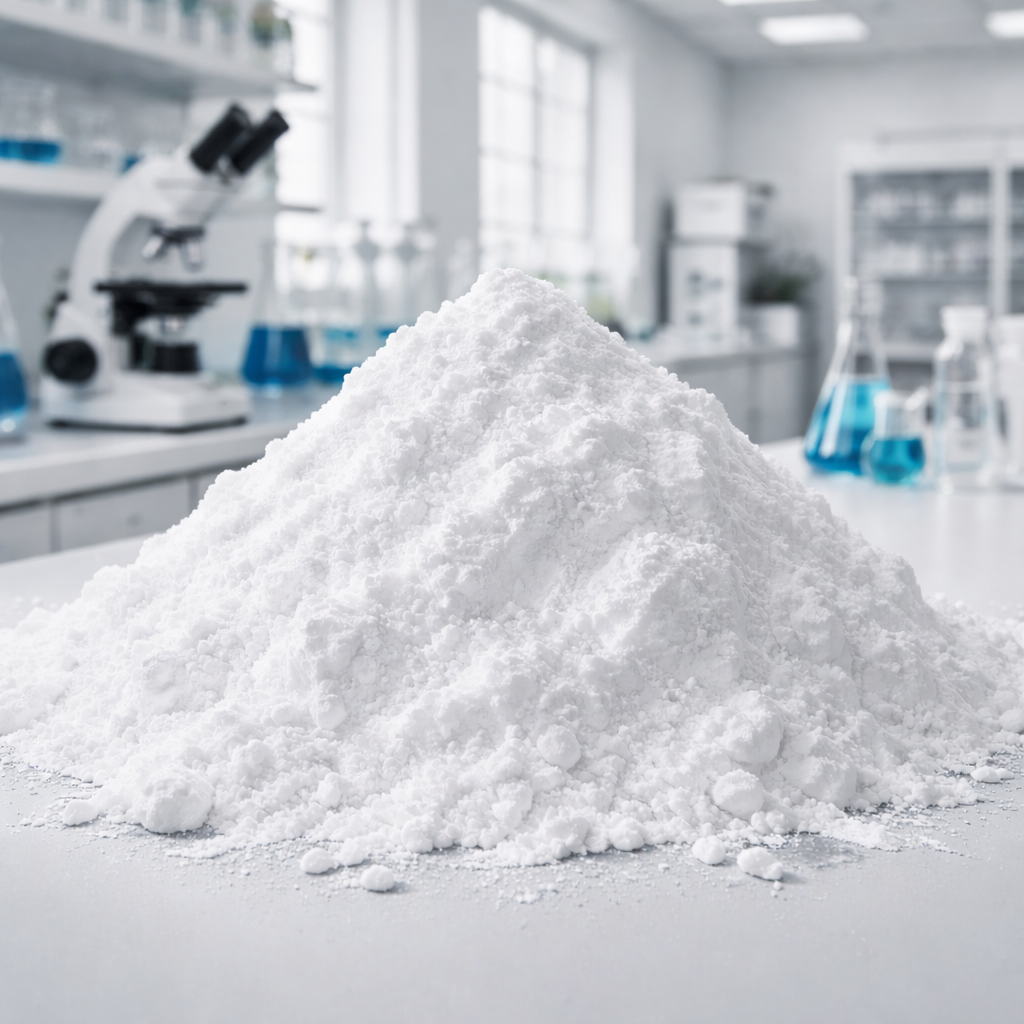
(June 8, 2026) The domestic silica market has moved away from its previous model of relying solely on traditional fields such as rubber and footwear. Driven strongly by emerging sectors such as new energy, new materials, daily chemicals, and electronics, the market demand structure has been comprehensively restructured, product segment value continues to stand out, and the industry's development logic has shifted from "capacity competition" to "deep application cultivation."
On the traditional application side, tires and ordinary rubber products remain the basic consumer market for white carbon black. Currently, the domestic market for general-purpose precipitated white carbon black is sufficient, market quotes remain stable, industry competition is mainly focused on cost-effectiveness, and small and medium-sized manufacturers mostly focus on volume-driven sales of conventional categories, resulting in a stable market structure. Affected by the pace of traditional manufacturing operations, demand growth in this sector has been steady, with no significant fluctuations so far.
Emerging application fields have become the core growth engine of the industry. Industries such as photovoltaic sealants, lithium batteries, new energy vehicle seals, and high-end silicone products are developing rapidly, with demand for highly dispersed, low-oil-absorbing, and highly reinforced specialized modified silica continuing to surge. These high-end customized products have high technical barriers and considerable added value. Leading domestic companies have full orders, many companies have extended production scheduling to the following month, and their bargaining power is steadily improving.
Special white carbon black for daily chemical, food, and pharmaceutical grades also performed impressively. With consumption upgrades, fields such as toothpaste, skincare products, food anti-caking agents, and pharmaceutical excipients have set strict requirements for the purity, particle size, and dispersibility of silica. Domestic companies continuously optimize purification and surface modification processes, gradually achieving import substitution for high-end daily chemical and pharmaceutical-grade products, not only meeting domestic market needs but also exporting large quantities overseas, becoming new profit growth points for enterprises.
On the channel side, the foreign trade market is showing a clear recovery trend. Relying on the advantages of a complete domestic industrial chain and increasingly mature green production processes, domestic silica has gained increasing recognition in the international market, with steady growth in orders from Southeast Asia, Europe, the Middle East, and other regions. At the same time, overseas carbon barriers and new environmental regulations are forcing domestic companies to continuously upgrade their production processes, giving green and environmentally friendly silica products a stronger competitive advantage in foreign trade channels.
Industry insiders analyze that the white carbon black market has now entered a stage of differentiated competition in niche segments. In the future, deepening downstream niche scenarios, developing customized specialty products, and improving product performance and environmental standards will be key for companies to break through development bottlenecks and seize market share. With the long-term positive trend of emerging downstream industries, the growth potential for high-end specialty white carbon black will be further unlocked.