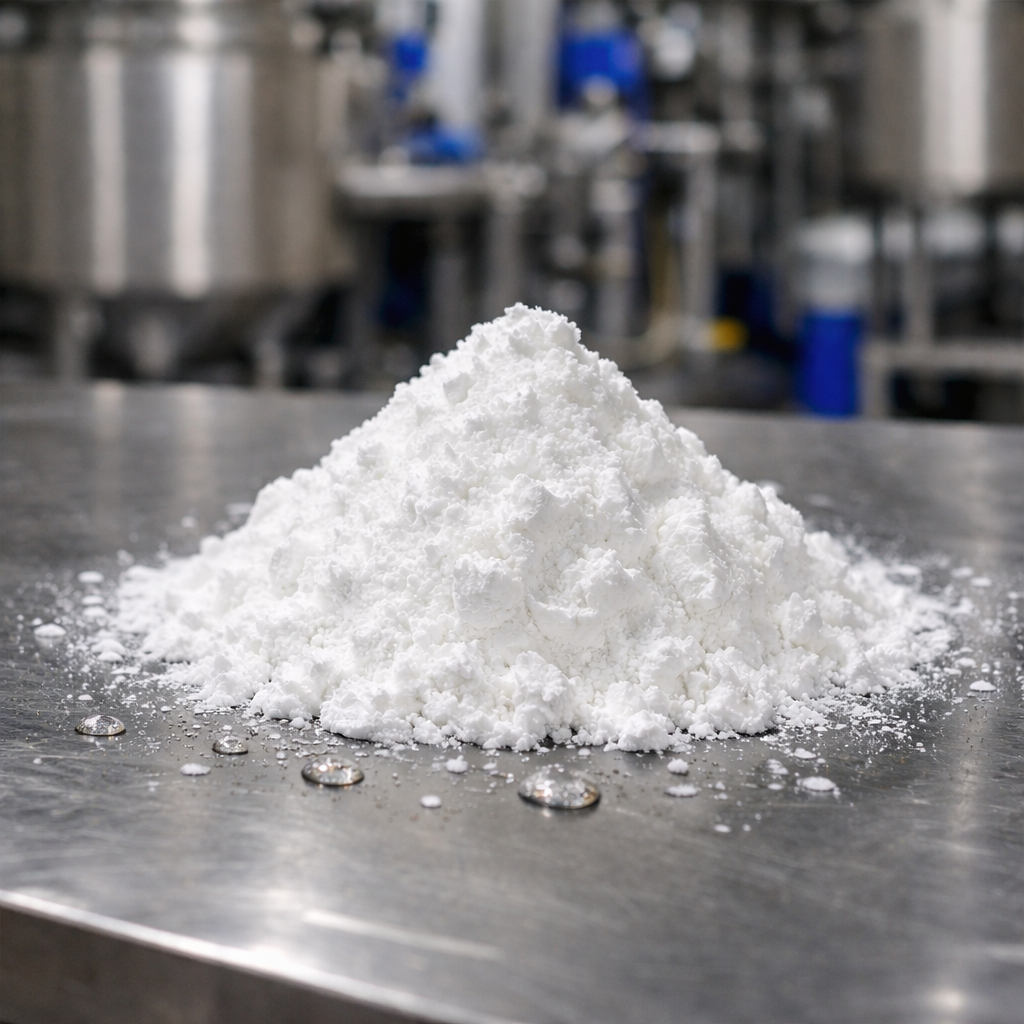
(June 7, 2026) In June, many regions across China launched projects producing white carbon black from agricultural and forestry solid waste. The circular silica production lines centered on rice husk ash as the core raw material saw a boom, completely changing the industry's traditional raw material structure based on quartz sand. Recycled silica is gradually capturing market share in tire and rubber and plastic raw materials.
Traditional precipitation methods heavily rely on quartz ore and industrial strong acids, limiting mineral resource extraction and keeping environmental protection costs high. In recent years, domestic research institutions and production enterprises have collaborated to tackle the process of extracting silicon from rice husk ash, recycling waste husks from rice processing, extracting silica from them to produce silica. The raw material cost is much lower than that of ore raw materials, while effectively solving the pollution problem of solid waste storage in grain enterprises, achieving closed-loop utilization of agricultural and sideline waste into industrial raw materials.
At present, major rice-producing areas such as Anhui, Jiangsu, and Jiangxi have successively launched supporting production projects, processing surrounding rice husk waste locally and producing silica nearby, with prominent advantages in logistics and raw material costs. After modification and processing, the mass-produced products have performance comparable to conventional mineral-based silica and have been supplied in bulk to green tire and silicone rubber manufacturers.
At the market level, recycled silica has successfully entered the green supply chain procurement lists of Europe and the US due to its low-carbon attributes. Overseas buyers prioritize low-carbon traceability raw materials, driving steady growth in export volumes of this category. In contrast, traditional mineral-sourced silica is constrained by mineral controls and rising environmental protection costs, with production costs rising year by year and its competitiveness in the mid-range market continuously declining.
Industry insiders analyze that with the dual support of dual carbon policies and solid waste resource utilization policies, future production capacity from agricultural and forestry waste producing silica will continue to expand, becoming an important development direction for cost reduction, emission reduction, and raw material structure optimization in the silica industry.