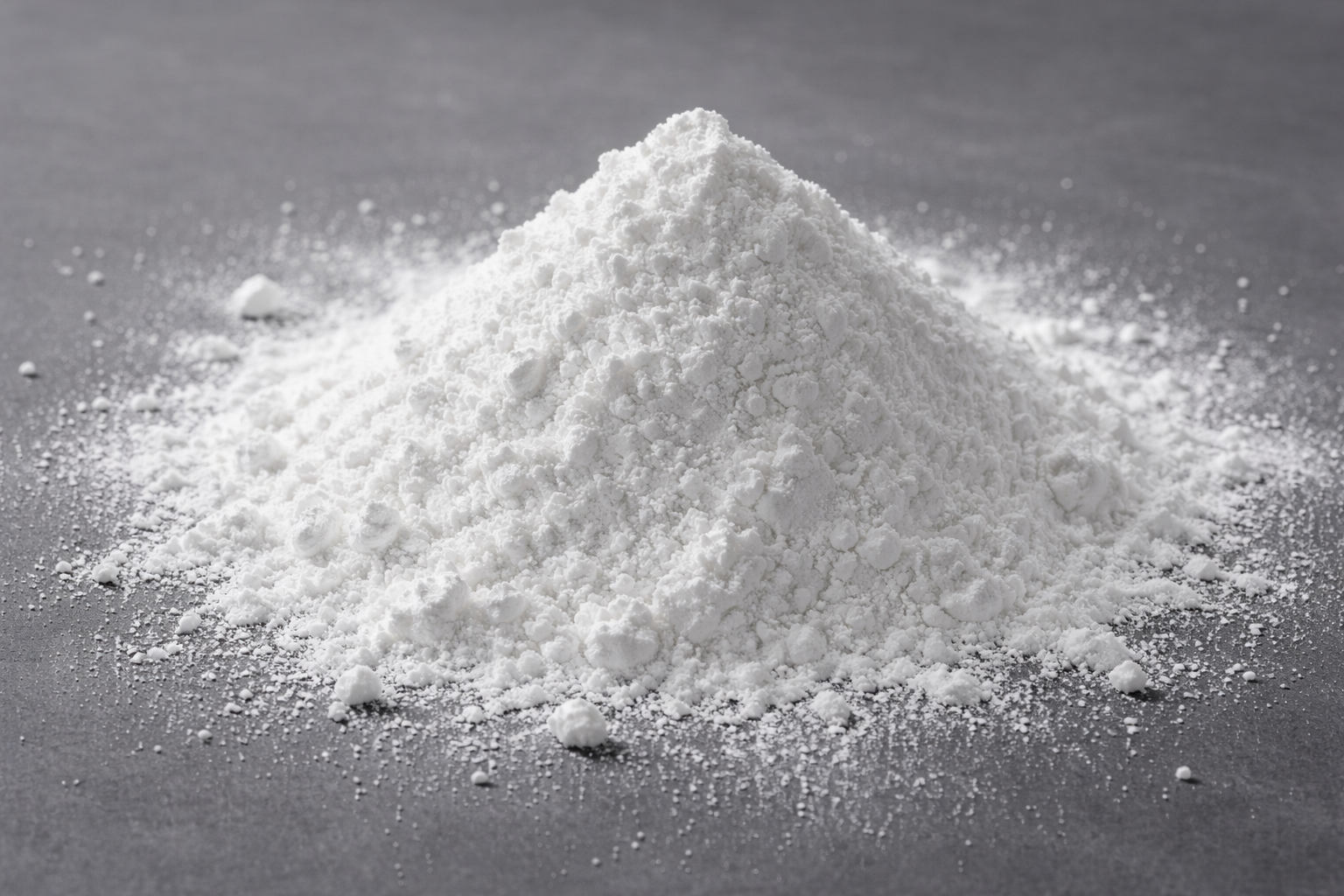
(June 7, 2026) In early June, the localization process of domestic specialty silica achieved a milestone. Relying on formula improvements and upgrades in refined processing technology, multiple types of fumed silica and highly adsorbent modified silica have gradually broken the monopoly of overseas brands, launching mass supply in pharmaceutical excipients, electronic potting, high-end cosmetic fillers, and other fields.
In the past, China's high-end white carbon black market was long dominated by overseas chemical giants, with ultrafine silica needed for lithium batteries, silicone adhesives, and food anti-caking agents relying on imports. In recent years, leading domestic manufacturers have increased R&D investment, focusing on tackling product surface modification technologies by adjusting pore structures and specific surface areas to meet different downstream customization needs. Compared to imported goods, the delivery cycle for domestic specialty silica is shortened by more than half, and comprehensive procurement costs have dropped by 10%~18%. Many domestic mid- and downstream manufacturing enterprises are gradually switching to localized raw materials.
From the downstream application scenarios, cosmetic-grade hydrophobic silica has already been supplied in bulk to domestic makeup and skincare ingredient manufacturers; Lithium battery electrolyte adsorption and separator coating specialized white carbon black continues to increase orders alongside the expansion of the new energy industry. In contrast, ordinary precipitated silica with low mass production thresholds is still trapped in overcapacity and low-price competition, with the industry's focus clearly shifting from extensive mass production to refined customization.
Foreign trade data shows that in June, export orders for high-end modified silica steadily increased month-on-month, with more products sent to fine chemical factories in Europe and Southeast Asia continuing to increase, while exports of low-end general-purpose silica showed sluggish growth. Affected by this trend, many silica producers have adjusted their capacity layouts, shut down inefficient general production lines, and intensified the construction of specialized categories.
Industry experts say that with the continued strengthening of new materials support policies and the acceleration of localization in downstream high-end manufacturing, there is broad potential for domestic substitution of specialty white carbon black in the next two to three years. Differentiated R&D capabilities may become the key to determining the core competitiveness of white carbon black companies.
http://www.siliconeoil.net