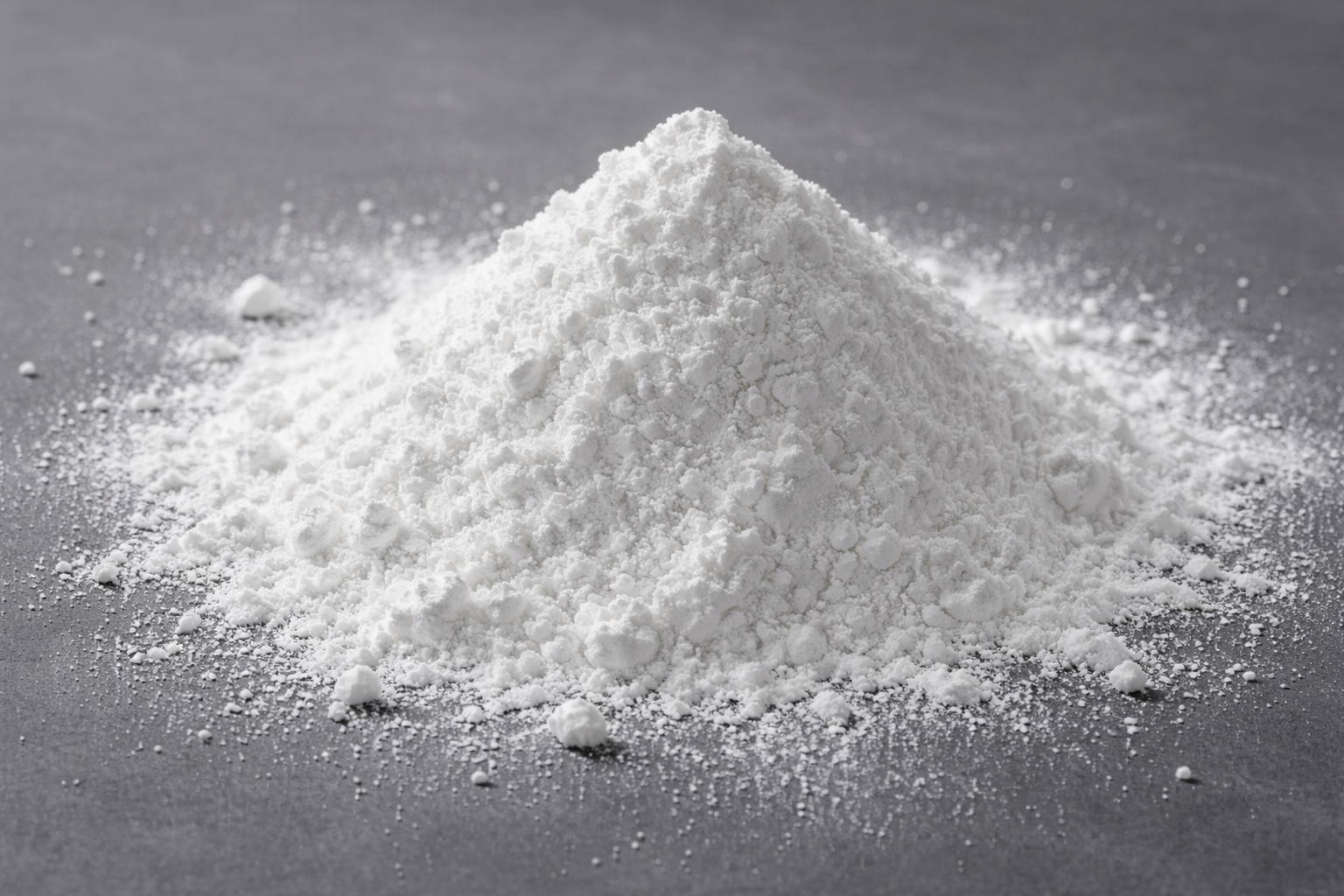
(June 6, 2026) Driven by policies promoting automotive lightweighting and fuel-saving and drag reduction, domestic tire companies are accelerating product iterations. The capacity of low-rolling resistance tires continues to expand, directly driving the steady growth of the high-dispersion specialized white carbon black market, becoming the core supporting driver for the white carbon black market.
Leading domestic tire factories continue to reduce the proportion of carbon black used, increasing the proportion of high-disperse white carbon to lower tire rolling resistance, improve vehicle range, and meet the needs of new energy passenger vehicles. Conventional ordinary silica cannot meet formulation requirements, high-dispersion modified grades are in short supply, and factory scheduling cycles are extended.
Due to the concentrated stocking by major downstream tire manufacturers, many domestic silica producers have adjusted their production plans, reduced the capacity of general-purpose precipitated silica, added surface modification production lines, and focused on specialized tire subcategories. In contrast, low-end white carbon black products have been under long-term price pressure due to shrinking market demand and homogeneous competition.
In foreign trade, overseas tire manufacturers have increased purchases of highly dispersed silica from China, leveraging mature domestic modification technology and stable delivery to steadily increase exports of related categories. Industry forecasts predict that with the continuous rise in production and sales of new energy vehicles, the high-end silica market for tires will continue to expand steadily.