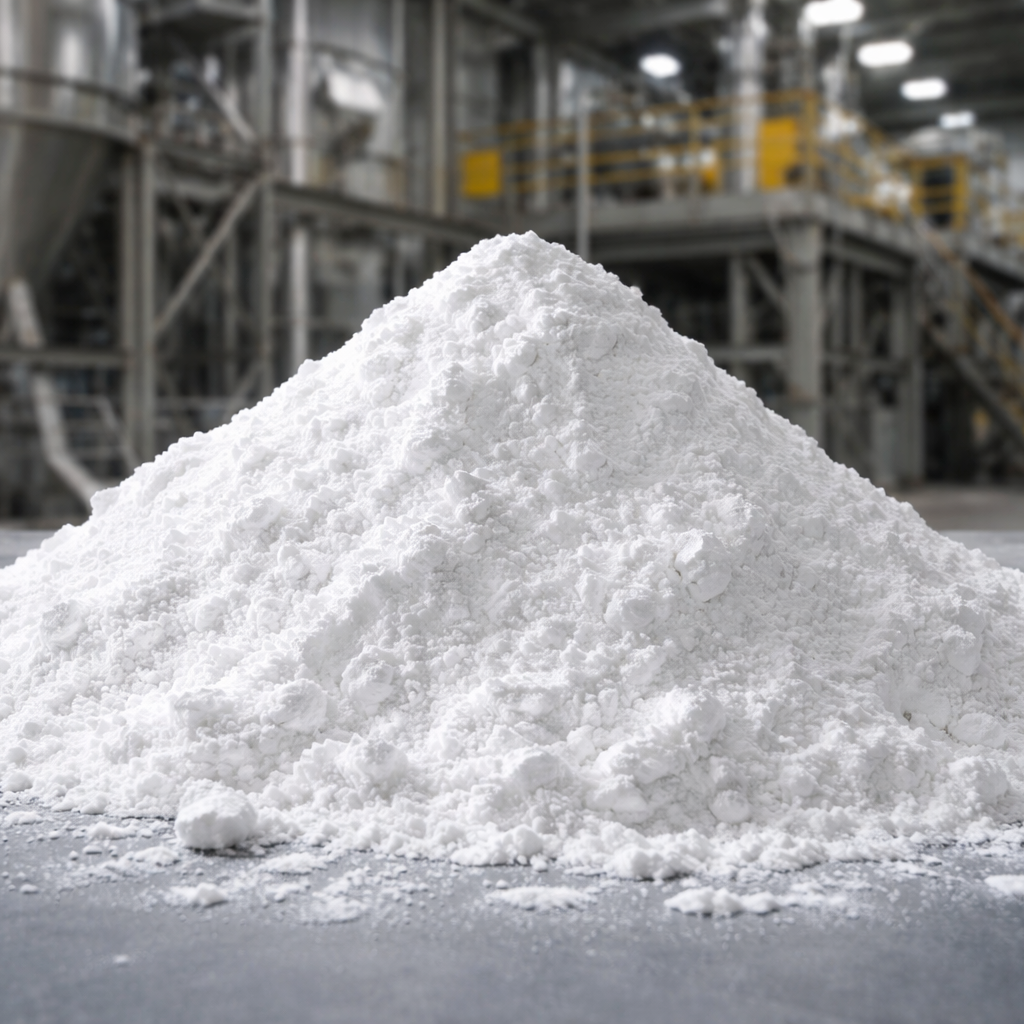
(May 27, 2026) Against the backdrop of ongoing dual carbon policies and rapid iteration in the new materials industry, silica, as an important raw material for inorganic fine chemicals, is rapidly shedding its traditional label as a rubber filler. With core properties such as environmental protection, reinforcement, thickening, and sediment resistance, it is rapidly penetrating emerging fields such as new energy, high-end daily chemicals, adhesives, and eco-friendly coatings. The industry's transformation toward greening, high-end, and functionality is accelerating, making it a highly promising niche in the fine chemicals sector.
Silica is mainly divided into two categories: precipitation and vapor phase. For a long time, precipitation method has been used to reinforce tires and rubber products, while vapor phase silica, with its high purity, small particle size, and good dispersibility, has deeply cultivated the high-end application market. In the past, some small and medium-sized enterprises faced issues such as extensive production processes, high energy consumption, and serious product homogenization. With tighter national environmental control and rising downstream customer requirements for environmental indicators and product performance, a batch of outdated capacity with high energy consumption and low added value has rapidly exited the market. The competitive landscape continues to optimize, and leading companies have steadily increased their market share by leveraging advantages in technology, capacity, and green production.
Currently, the downstream market demand structure is undergoing profound changes, becoming the core driving force for upgrading the white carbon black industry. In the traditional tire rubber sector, with the popularization of green tires and silent tires, demand for high-dispersion, low-rolling resistance specialized white carbon continues to rise, helping tire companies achieve energy saving and consumption reduction; In the new energy industry, white carbon is used in lithium battery separators, photovoltaic sealants, thermal conductive materials, and other products. With its excellent insulation, reinforcement, and stability, it meets the rapid development dividends of the new energy industry; In the daily chemical and beauty sectors, hydrophobic fumed silica black is used in loose powders, foundation liquids, and sunscreen products, enhancing powder fineness and oil control and long-lasting makeup effects, with steady market demand; At the same time, in fields such as agricultural additives, leather additives, and pharmaceutical carriers, the application scenarios of functional silica continue to expand, opening up new growth opportunities.
In terms of export markets, China's silica industry is strengthening its international competitiveness thanks to a complete industrial chain, stable capacity supply, and continuously upgraded product quality. Recently, with the recovery of rubber and new materials industries in Southeast Asia, Europe, and the Middle East, overseas buyers prefer to choose domestically produced high-end silica that meets environmental standards and has stable performance. Export orders for hydrophilic, hydrophobic, and specialized customized products have steadily increased, making the foreign trade market an important growth point for the industry. Meanwhile, the price of high-end overseas fumed silica remains high, the process of domestic substitution is accelerating, further promoting R&D investment by local companies.
Industry experts point out that the core competition in the future of the white carbon industry will no longer be capacity competition, but a contest of technological innovation, green production, and customized service capabilities. Enterprises need to increase R&D investment, focusing on specialized and functional product development to meet the personalized needs of different downstream industries; At the same time, we optimize production processes to reduce energy consumption and pollutant emissions, practicing a green and low-carbon production model. In the context of continuous expansion of new materials and new energy industries, the silica industry will keep unleashing its development vitality, achieving a leap upgrade from traditional chemical raw materials to high-end new materials.