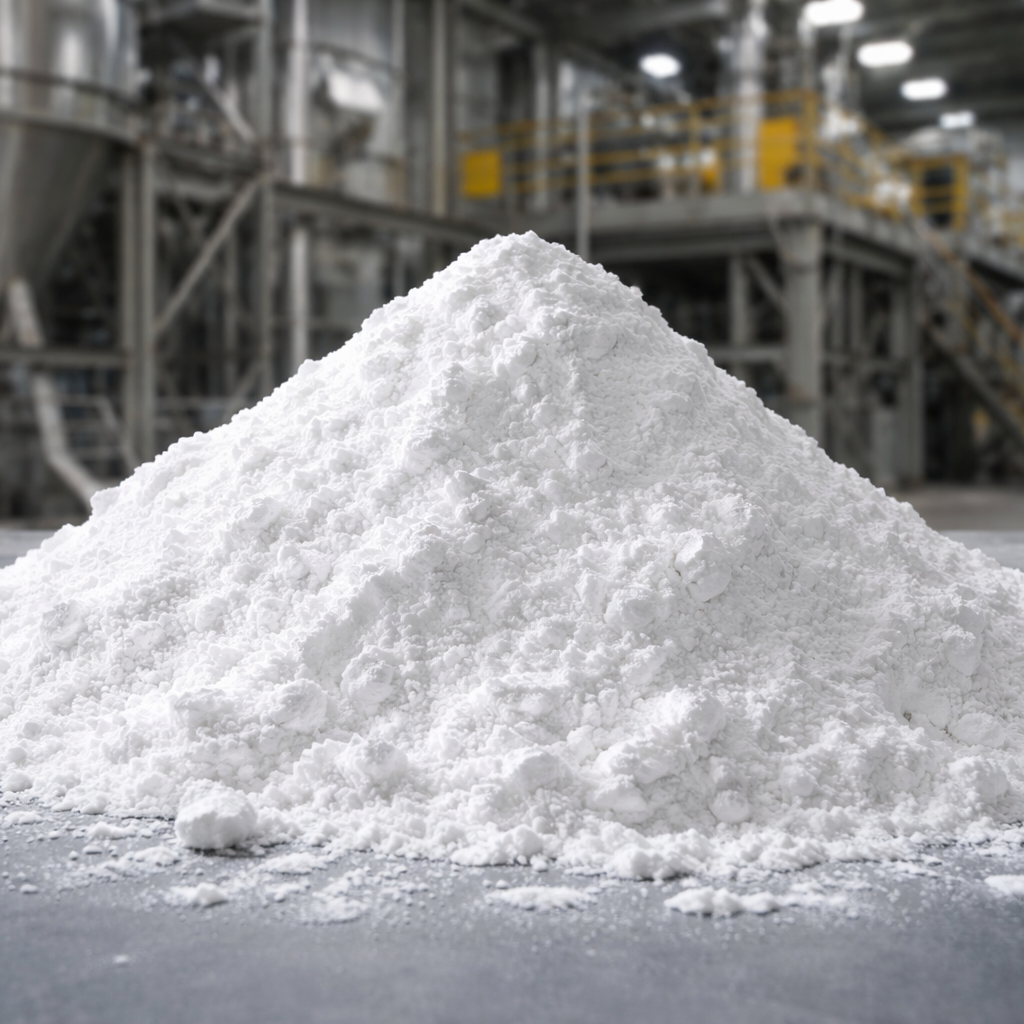
(May 20, 2026) Against the backdrop of the ongoing deepening of the national "dual carbon" strategy and the gradual tightening of global green trade barriers, the domestic silica industry is ushering in a round of green transformation in 2026. The traditional high-energy-consuming, high-emission extensive production model is facing phase-out, while low-carbon production, recycling, and green modification have become the new main themes for industry development. Low-carbon silica is entering a period of market explosion.
In recent years, policies such as environmental inspections, dual control of energy consumption, and carbon emission accounting have been continuously implemented, setting higher standards for the emissions of waste gas, wastewater, and solid waste from silica production. Traditional sedimentation processes consume high energy and produce large amounts of solid waste. Many small and medium-sized enterprises have limited capacity release due to high investment in environmental rectification and rising compliance costs. Leading companies are taking the lead in developing new energy-saving processes, significantly reducing unit product carbon emissions through waste heat recovery, silicon raw material recycling, and low-energy reaction system upgrades, thereby building core low-carbon silica production capacity.
From the export market perspective, after the full implementation of the EU Carbon Border Adjustment Mechanism, the export cost of high-carbon silica has increased significantly, and overseas orders have continued to shrink; Low-carbon modified silica, leveraging its low-carbon footprint advantage, has successfully avoided tariff barriers, with orders growing rapidly in high-end markets in Europe, Japan, and South Korea, becoming a main driver of foreign trade growth.
Downstream high-end application fields are also experiencing a wave of green procurement. Industries such as new energy tires, photovoltaic sealants, high-end organic silicon, agricultural green additives, and eco-friendly coatings are all prioritizing low-carbon, zero-residual, high-purity silica black, forcing upstream companies to phase out low-end high-carbon products and shift to green, specialized product development.
Meanwhile, breakthroughs have been made in the resource utilization of solid waste in the industry. Some companies have achieved comprehensive recycling of silica production by-products, reducing environmental pressure while extending the value of the industry chain, further enhancing product competitiveness.
Industry insiders analyze that future competition in the silica market will shift from price competition to a contest of green qualifications, carbon footprint, and environmental performance. Companies that plan low-carbon capacity early and master green modification technologies will seize opportunities in high-end domestic and international markets, driving the entire industry's green transformation.