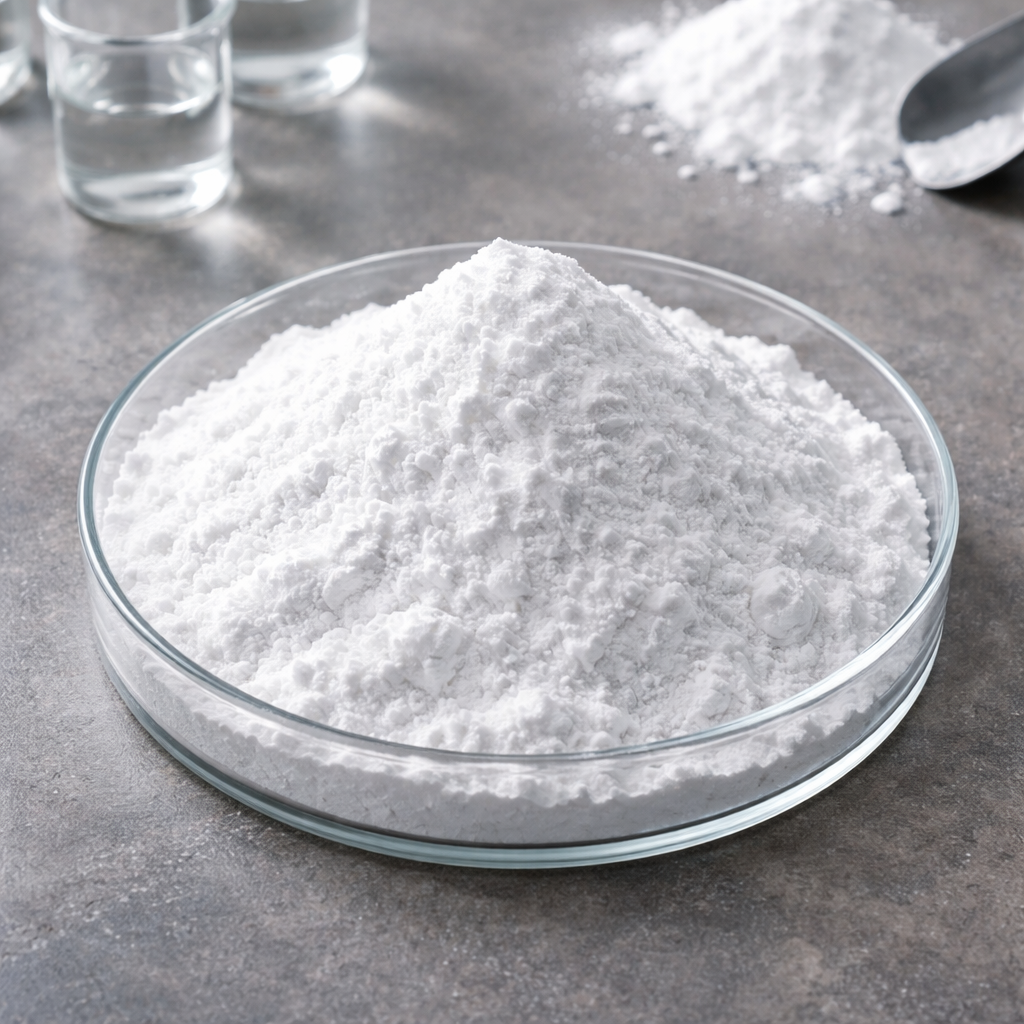
(May 20, 2026) Entering the second quarter of 2026, the silica industry is affected by fluctuations in upstream sodium silicate and energy costs, and the downstream application market is unevenly hot and cold, and the industry development logic is undergoing significant changes. In the past, the model of relying on production expansion was unsustainable, and many production enterprises have adjusted their business strategies and made efforts to refine modifications, customized formulas, and scenario-based adaptations to hedge cost pressure and tap new profit growth points.
On the upstream end, affected by the phased rise in the prices of chemical raw materials, coal and electricity, the production cost of silica continues to rise, and the profit of conventional precipitation products has been continuously compressed. Many small and medium-sized enterprises have intensified production and operation pressure due to strict environmental protection control, limited energy consumption indicators, and weak bargaining power, and the pace of survival of the fittest in the market has accelerated.
The downstream market is clearly polarized: the demand in the fields of traditional rubber, ordinary shoe materials, and low-end rubber and plastic reinforcement is weak, and the market tends to be saturated; The performance requirements for silica in new energy tires, photovoltaic adhesives, silicone materials, agricultural additives, leather slippers, high-end coatings and other fields continue to upgrade, and the demand for highly dispersion, hydrophobic and nanoscale modified silica continues to rise. The rapid development of new energy vehicles, photovoltaics, and fine chemicals has directly driven the steady growth of orders for special silica and has become the core driving force for the industry's increment.
In terms of foreign trade exports, the environmental protection threshold in overseas markets continues to rise, and the EU carbon tariff and green procurement standards have been implemented, forcing domestic enterprises to produce low-carbon silica. Ordinary general-purpose silica is highly competitive in overseas markets due to serious homogenization and low price; High-end silica produced by surface modification and low-carbon process has been recognized in Southeast Asia, the Middle East, Europe and other markets with its environmental protection advantages and stable performance, and the export structure has been continuously optimized.
The industry view is that the current silica industry has entered a critical cycle of cost constraints, demand upgrading, and green transformation. In the future, only by deeply cultivating modified technology, optimizing product structure, and binding high-end downstream customers can enterprises gain a firm foothold in the fierce market competition and realize the transformation from basic raw material manufacturers to fine chemical service providers.
http://www.siliconeoil.net