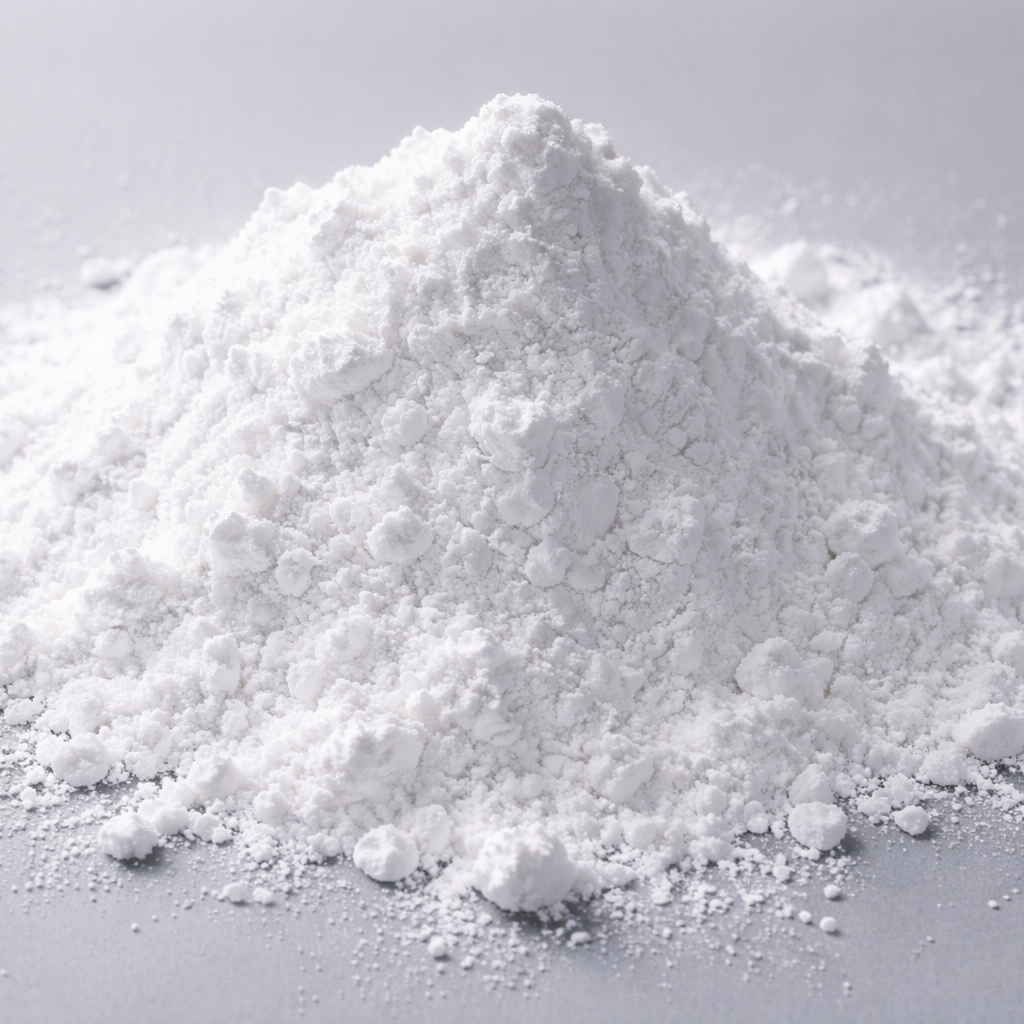
(May 20, 2026) Since the beginning of 2026, the domestic white carbon industry has been undergoing a profound market reshuffle. Traditional general-purpose products face overcapacity and fierce price competition, while the gap for specialized silica suitable for new energy, high-end chemicals, and fine additives continues to widen. The industry's focus is shifting from extensive expansion to deepening niche tracks and upgrading customized products, leading to a structural reshaping of the market landscape.
Currently, domestic conventional production capacity for silica by precipitation method is approaching saturation, prices for ordinary rubber reinforcement products are under pressure, and some small and medium-sized manufacturers are experiencing lower operating rates due to environmental costs and rising raw material prices, accelerating the clearing of outdated capacity in the industry. In stark contrast, high-end categories such as hydrophobic modified silica, high-dispersion tire-specific silica, vapor-phase nano silica, and agricultural silicone supporting silica are in short supply, with longer order scheduling cycles and leading companies continuously expanding profit margins.
Changes in downstream application structures have become the core drivers of industry transformation. In addition to traditional tires, footwear materials, and rubber products, the usage of silica is rapidly increasing in emerging fields such as photovoltaic sealants, silicone rubber products, coating matting agents, leather additives, and pesticide wetting dispersants. Lightweight new energy vehicles, expansion of the photovoltaic industry, and upgrading of fine chemicals are forcing companies to optimize particle size, pore structure, and surface modification processes, with customization and specialization becoming their core competitive advantages.
On the foreign trade side, structural differentiation is also evident: competition in exports of low-value-added general-purpose white carbon black is intensifying, while low-carbon, modified high-end white carbon black, thanks to its environmental attributes and performance advantages, continues to increase its share of overseas high-end market orders. Since 2026, European and American markets have tightened their access standards for low-carbon raw materials, allowing domestic companies that have proactively laid out green processes to reap export dividends, further promoting the elimination of high energy-consuming and outdated production capacity in the industry.
On the cost side, recent slight fluctuations in silica raw material and energy prices, combined with increased investment in environmental governance and carbon reduction, have further raised the industry's entry barriers. Small and medium-sized manufacturers face increasing survival pressure, industry concentration continues to rise, and leading companies are gradually gaining market pricing influence through technological iteration, capacity optimization, and overseas channel expansion.
Industry analysts point out that in the future, the silica industry will no longer compete in capacity but will focus on product differentiation, greener processes, and refined applications. As downstream emerging industries continue to expand, companies with customized modification capabilities and low-carbon production technologies will be the first to break through the deadlock of internal competition, achieving dual breakthroughs in both the domestic high-end market and the global foreign trade track, driving the industry as a whole toward a new stage of high-quality development.