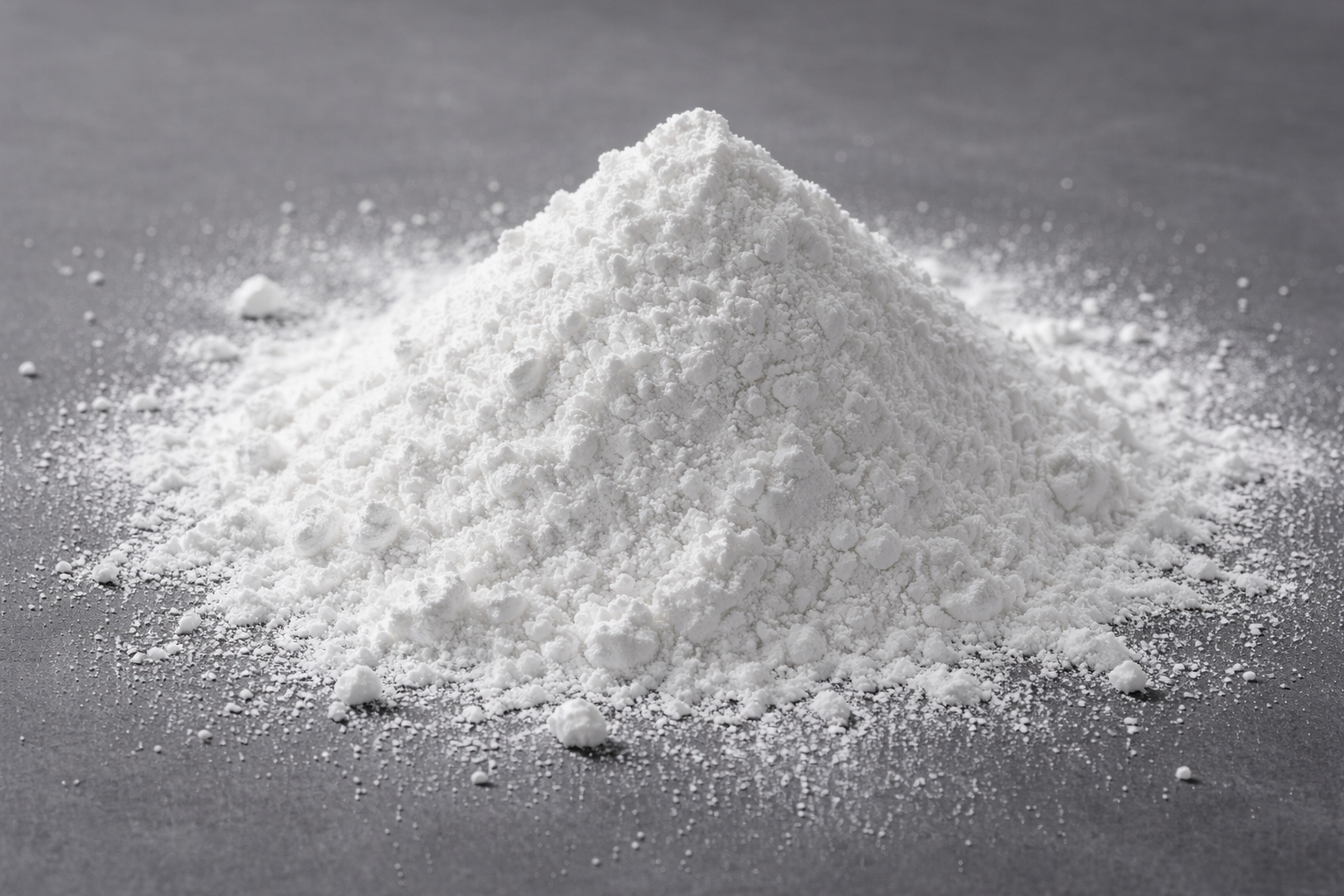
(April 30, 2026) At the end of April 2026, the domestic silica industry is deeply trapped in the triple pressure of raw material price increases, profit compression, and low-end involution, and basic chemical raw materials such as coal, soda ash, and sulfuric acid continue to rise, and the cost of environmental protection operation and maintenance is rising year by year.
From the cost side, the basic raw materials continued to run at a high level in the second quarter, and the prices of SODA, industrial acid and energy, the core raw materials for precipitation silica production, rose month-on-month. However, leading enterprises rely on large-scale production and self-prepared supporting devices to effectively hedge the risk of raw material price increases, and the Matthew effect in the industry is becoming more and more obvious.
In the face of profitability difficulties, companies in the industry have explored ways to break the situation. On the one hand, many enterprises have accelerated the technical transformation of process equipment, eliminated high-energy boilers and old reaction production lines, and switched to energy-saving intelligent production equipment, reducing water, electricity and steam consumption from the source, and achieving a significant reduction in energy consumption per unit product. On the other hand, resource recycling has become the mainstream direction, recovering the mother liquor and exhaust gas waste heat in the production process for reuse, and increasing the industrialization of rice husk ash, industrial solid waste and other waste materials to prepare silica, and reducing production costs by replacing raw materials at low cost.
At the channel and operation level, the profits of the traditional volume wholesale model are becoming more and more meager, and many silica manufacturers have begun to turn to customized exclusive services, developing special modified silica products for coatings, silicone rubber, daily chemicals, and lithium battery segments, jumping out of the low-end homogeneous price war, and relying on high value-added products to improve profitability. At the same time, enterprises optimize inventory control and schedule production according to downstream rigid orders to reduce the risk of capital occupation and price decline caused by hoarding.
The foreign trade market has also become an important breakthrough for enterprises to divert pressure and broaden profits. With its cost-effective advantages, domestic ordinary and modified silica continues to open up sales channels in Southeast Asia, the Middle East and Europe, digest the excess domestic low-end production capacity through exports, and at the same time increase the proportion of export sales of high-end products to hedge the pressure of involution in the domestic market.
According to the analysis of industry insiders, it is difficult for the price of raw materials to fall sharply in the short term, and the era of the silica industry simply relying on scale expansion to make money has ended. In the future, only enterprises that master energy-saving technology, circular production technology, and high-end customized R&D capabilities can gain a firm foothold in the high-pressure cost, and the industry will also accelerate the clearance of backward and inefficient production capacity, and deeply transform in the direction of energy saving, refinement and high added value.