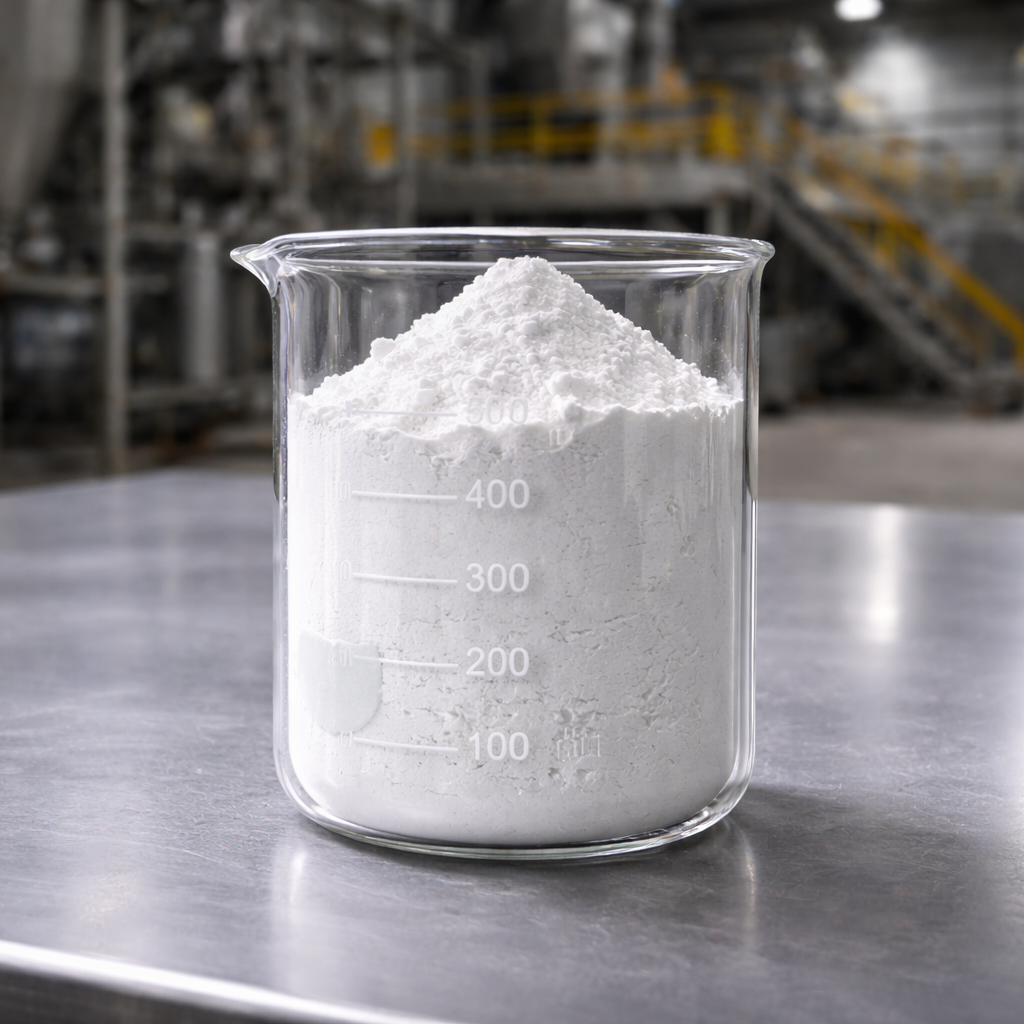
(April 30, 2026) With the new environmental protection regulations, dual control of energy consumption and exhaust gas and wastewater discharge standards in the domestic chemical industry, in the second quarter of 2026, the silica industry is ushering in a mandatory green reshuffle.
In the past few years, some small and medium-sized workshop-style factories have been on the edge of environmental protection supervision and rely on low cost and low price to seize the market. Since April this year, local ecological and environmental departments have increased surprise inspections and regular inspections of silica production enterprises, focusing on their exhaust gas desulfurization, wastewater recycling, solid waste compliance disposal and energy consumption index review.
A number of small and medium-sized enterprises with backward technology, incomplete environmental protection facilities, and failure to meet ultra-low emission standards have been warned, restricted or even directly stopped for rectification, and the low-end disorderly competition pattern has been completely broken. The leading enterprises that have laid out cleaner production in advance, configured a closed reaction system, built wastewater mother liquor recycling and waste heat recovery and utilization devices have successfully passed the environmental protection verification, opened full capacity for full production, and further concentrated market voice.
Under the guidance of policies, the industry's production model is also actively transforming: enterprises have adopted low-carbon new processes, closed intelligent production lines, implemented clean production in the whole process, increased investment in environmental protection research and development, and laid out zero-emission and circular production models. Green process routes such as high-end silica by gas phase method and silica from solid waste comprehensive utilization have become the key layout direction of industry enterprises.
At the market level, the clearance of backward production capacity directly improved the relationship between supply and demand, the digestion of low-end general-grade silica inventory accelerated, and the market quotation stopped falling and stabilized. With stable supply and green product qualifications, compliant manufacturers are deeply recognized by major downstream customers of coatings, rubber, and new energy, and the stickiness of cooperation continues to increase.
According to industry evaluation, environmental protection high pressure is not a short-term pain, but an inevitable long-term standardized development of the industry. In the future, only enterprises that adhere to environmental compliance, practice green production, and strictly control energy consumption and emissions can stay on the track, and the silica industry will bid farewell to extensive development and fully enter a new development cycle of green, high-end and intensive.
http://www.iotachem.com