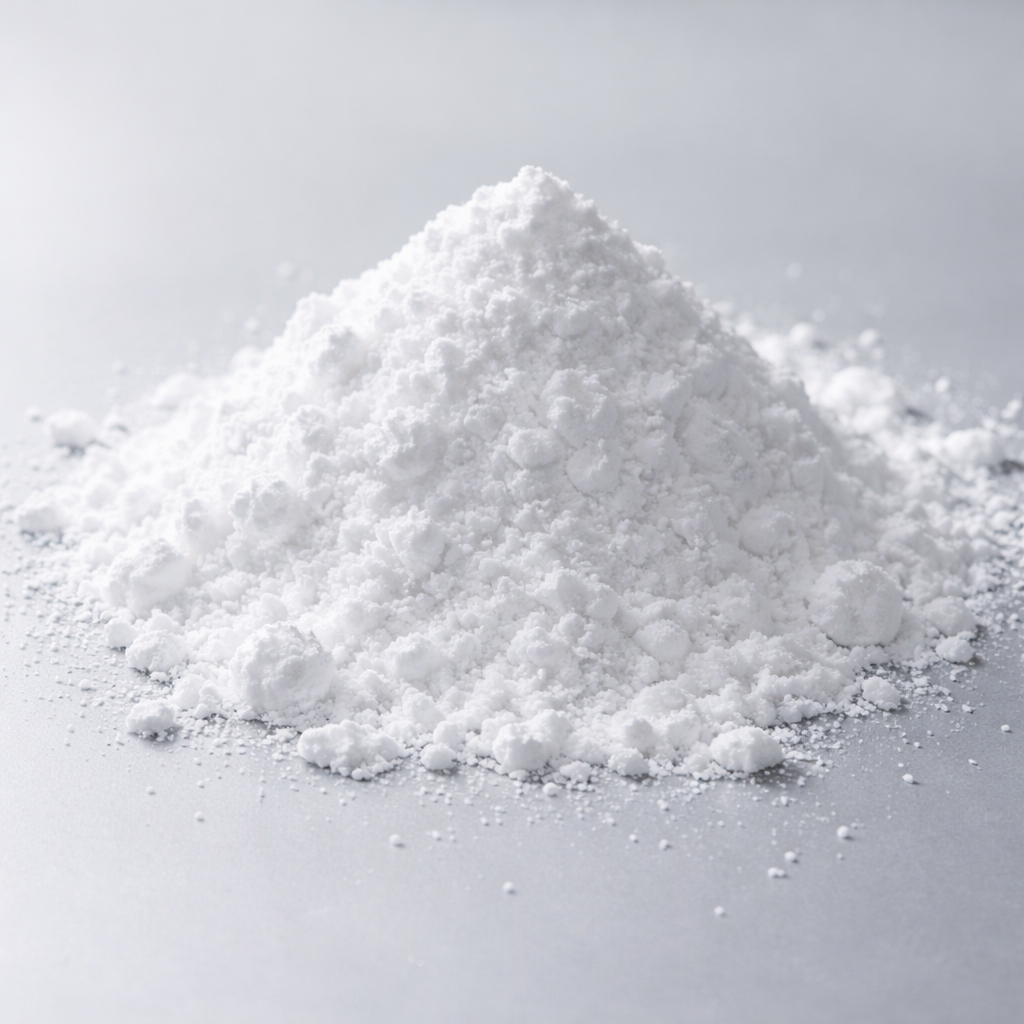
(April 30, 2026) At present, the domestic silica industry is undergoing major structural changes, no longer the extensive expansion of traditional production capacity, but the surplus of low-end homogeneity, the supply of high-end functional products exceeds the demand, and emerging downstreams such as new energy, new materials, and high-end daily chemicals are forcing the silica industry to complete technology iteration and product structure upgrades.
For a long time in the past, the domestic precipitation method ordinary silica production capacity has been piled up, the market involution is serious, and low-price competition is normalized. However, highly dispersed, hydrophobic modified, and gas-phase high-purity silica has long relied on imports or a few leading enterprises for supply, and there is an obvious supply gap in the high-end market. Entering the second quarter of 2026, this pattern of mismatch between supply and demand has been completely broken by downstream emerging industries.
The new energy industry chain has become the core main force driving the increase of silica. Lithium battery separator coatings, lithium electrolyte rheology additives, photovoltaic adhesives, new energy vehicle sealing rubber parts and other fields put forward extremely high requirements for the purity, specific surface area and dispersion of silica. Industry data shows that in April this year, orders for functional silica for the new energy track continued to be full, and many companies have scheduled production to the third quarter, and the product premium ability continues to strengthen, forming a clear price differentiation with ordinary industrial-grade silica.
On the application side, in addition to new energy, the quality threshold of silica in high-end cosmetics, food anti-caking agents, pharmaceutical excipients, electronic silicone rubber and other fields continues to rise, forcing manufacturers to bid farewell to the simple volume model and turn to R&D, modification, and refined customized production. Many small and medium-sized manufacturers have begun to eliminate old ordinary production lines, and increase the research and development and production of hydrophobic silica, high-transparency silica, and ultra-fine nanoscale silica.
The export dimension also shows structural changes: in the past, exports were mainly low-end ordinary precipitation silica, but now the procurement focus of customers in Europe, America and Southeast Asia has shifted to high-end modified silica, and domestic high-end products have gradually replaced the import sources of Japan and South Korea with process upgrades and cost-effective advantages, and the proportion of functional silica exports increased significantly year-on-year in April.
The policy side of dual carbon control continues to be tightened, and traditional old silica production lines with high energy consumption and high pollution are accelerated by production restrictions and shutdowns, intensifying the industry reshuffle. The leading enterprises that meet environmental protection standards, have R&D and modification capabilities, and support new energy downstream have further concentrated their market share and steadily increased their industrial concentration.
Industry analysis pointed out that the development logic of the subsequent silica industry has completely changed: no longer fighting for production capacity scale, but for formula modification, high-purity technology, and downstream customization capabilities. As new energy, photovoltaic, high-end daily chemicals and other tracks continue to be booming, functional and high-end silica will be in a tight balance for a long time, becoming the core main line of industry profitability and growth in the future, while low-end general-purpose models will face overcapacity and meager profits for a long time.