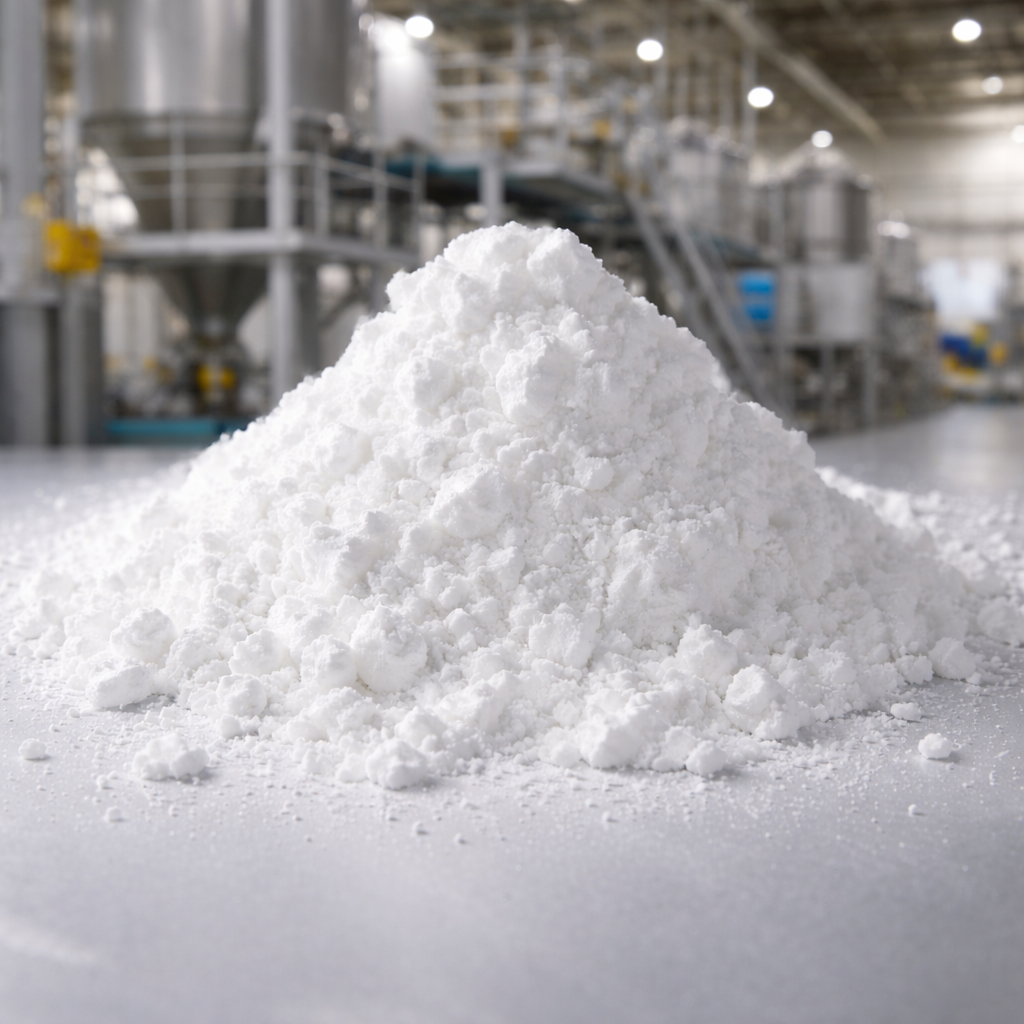
(April 29, 2026) Combined with the latest customs chemical export data and industry research information, in the context of the restructuring of the global new material supply chain, China's silica product export potential continues to be released, gradually getting rid of low-end raw material output labels, seizing global market share with cost-effective and customized categories, and becoming the core growth point of the fine chemical export sector.
In recent years, the global production capacity of rubber products, high-end coatings, and silicone deep processing industries has continued to shift, coupled with the recovery of manufacturing in Europe, the United States and Southeast Asia, and the demand for silica in overseas markets has risen steadily. Different from the previous export structure dominated by ordinary precipitation silica, the shipment volume of hydrophobic modified silica, fumed phase silica, and special reinforced grade silica has increased significantly, adapting to the needs of high-end industrial chains such as overseas high-end silicone rubber, new energy coatings, and green tires.
Under the changes in the geotrade pattern, domestic silica enterprises continue to optimize their overseas layout, deeply cultivate emerging markets in Southeast Asia, the Middle East and Latin America, and break through the barriers of quality certification in Europe and the United States. A number of leading factories have completed international quality system and environmental protection production standard certification, and their products have benchmarked against international first-line brands in core indicators such as purity, dispersion, and aging resistance, greatly reducing the import dependence of high-end categories, and further expanding the import and export trade surplus.
At the same time, the advantages of green and low-carbon production have become the core plus of domestic silica going overseas. Domestic enterprises popularize cleaner production technology, exhaust gas recovery, and solid waste recycling technology, meet the requirements of global dual carbon management and control, effectively avoid overseas carbon tariffs and environmental trade barriers, and further enhance the international bargaining power of products.
From the perspective of the current situation of the industry, small and medium-sized foreign trade dealers are gradually eliminating low-priced and low-quality sources, focusing on high-value-added customized product cooperation, and the export order of the industry is constantly standardized. With the continuous expansion of overseas downstream industries, coupled with the iteration of domestic silica technology and the improvement of brand power, there is sufficient room for subsequent overseas market increments, and the global layout will become an important driving force for the long-term growth of the silica industry.
http://www.iotachem.com