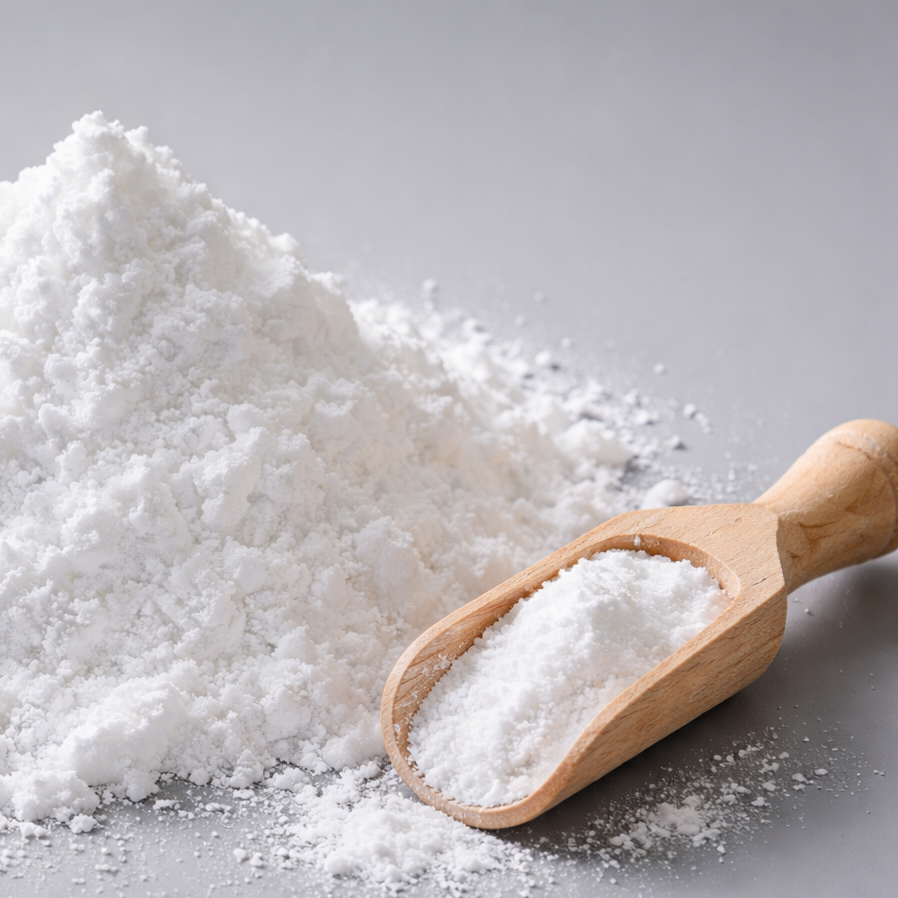
(June 12, 2026) With the deepening of domestic dual carbon policies and tightening of overseas carbon trade barriers, the silica industry is bidding farewell to traditional price competition. Low-carbon circular capacity has become the core theme of this round of industrial transformation, with upstream and downstream industrial chain layouts, raw material and process innovation, and supporting supply chain integration becoming new focal points of competition among industry enterprises.
Recently, new low-carbon silica projects in many regions have successively completed trial production. Unlike traditional sedimentation production processes, relying on a circular production route of agricultural and forestry waste and industrial by-product recycling, it has become the mainstream choice for new capacity construction. This new process not only significantly reduces production energy consumption and carbon emissions, but also effectively controls production costs, offering a clear advantage in carbon tariff avoidance in export trade. Currently, many manufacturers in East and Central China have extended their overseas order scheduling for circular method products through the third quarter.
From the perspective of downstream support, the trend of industrial chain synergy is becoming increasingly apparent. Leading downstream enterprises in tire manufacturing, rubber and plastic products, and new photovoltaic materials have begun proactively cooperating with silica producers to jointly develop specialized modified products adapted to low rolling resistance tires, photovoltaic packaging materials, and lithium battery auxiliary materials. The previous situation of oversupply of general-purpose silica has further intensified, putting pressure on market prices and causing a slight weakening; Meanwhile, customized and functional high-end products, due to high technical barriers and long-term cooperation orders, maintain firm market quotations and continuously increase product premium capabilities.
Industry research shows that in the first half of this year, the pace of clearing outdated and inefficient production capacity accelerated, with the operating rate of small and medium-sized workshop-style units remaining low, and industry resources increasingly concentrated among leading enterprises with capabilities in process R&D, low-carbon production, and integrated services. Industry concentration steadily increased, and market competition shifted from purely product competition to a comprehensive contest of craftsmanship, environmental protection, and customized services.
Regarding future market trends, industry analysts believe that in the short term, the off-season for downstream traditional manufacturing combined with the release of new general production capacity will make it difficult for ordinary white carbon black prices to rise significantly; In the medium to long term, low-carbon, functional, and customized sectors remain the definitive development directions. Companies that are laying out circular economy routes and deeply cultivating high-end niche sectors will continue to enjoy the dividends brought by industry upgrades, and the value of the industrial chain will further shift toward production with core technologies.