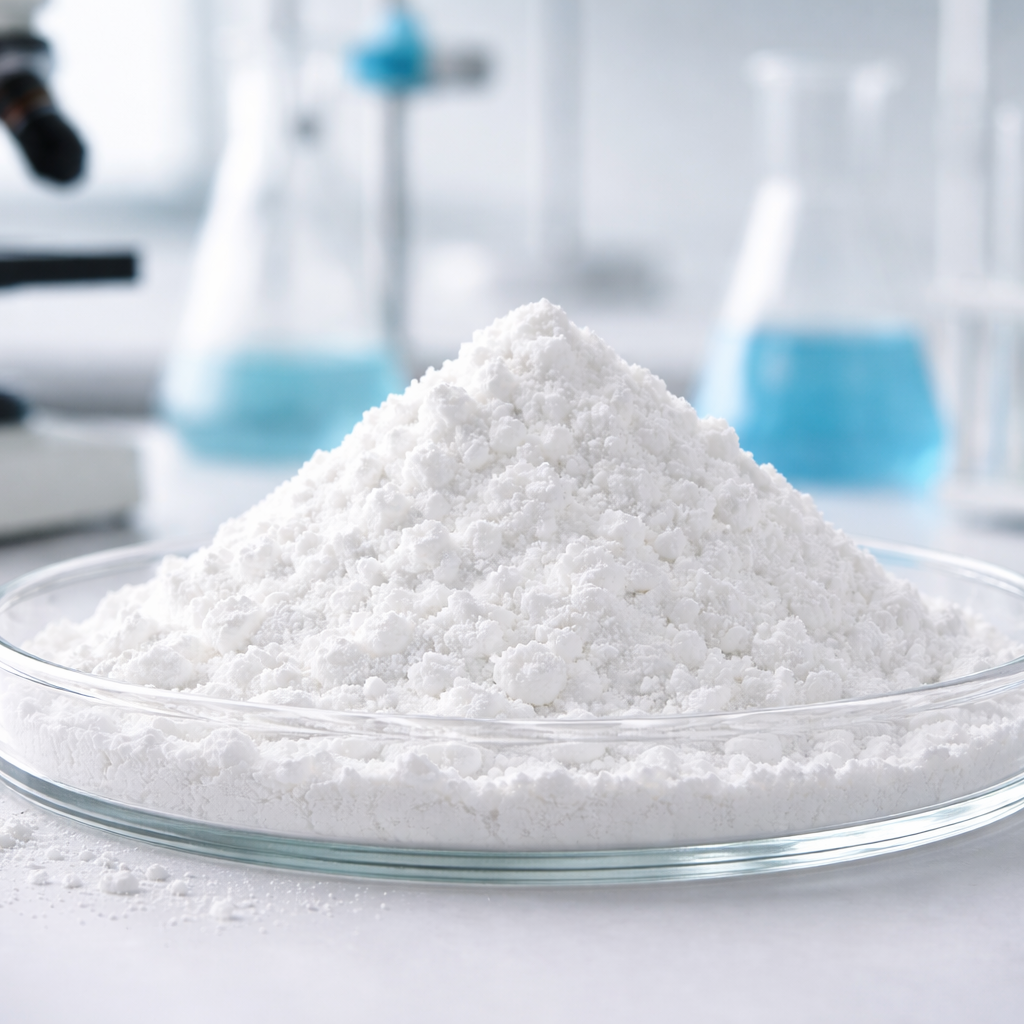
(June 12, 2026) Recently, the domestic silica (precipitated silica precipitation) industry has continued its structural trend of "stable general prices, strengthened high-end, and green expansion." Demand in new energy vehicles, photovoltaics, and high-end silicone rubber sectors continues to grow. Coupled with the implementation of new green tire regulations and rising foreign trade exports, the industry's transformation towards high-end and low-carbon is accelerating, highlighting opportunities for industrial value reconstruction.
Market prices: Benchmark prices remain stable, while high-end models are firmly priced
According to the latest monitoring data from Business Society on June 10, the domestic benchmark price for silica remains stable at 6,000 yuan/ton, with slight fluctuations during the month and an annual increase of about 2.8%. The regional market shows a differentiated pattern: Shandong's precipitation-processed silica (rubber grade) price range is 5100-6000 yuan/ton, operating weakly and steadily; Fujian market quotes remained stable; In Jinan, industrial-grade silica is quoted at 5000-5800 yuan/ton, while ultrafine silica (above 1300 mesh) is priced at 6200 yuan/ton.
The high-end market is tight in supply and demand, with tight orders for high-disperse silica, vapor-phase silica, and new energy-specific modified models, priced 30%-80% higher than general models. Some electronic-grade and photovoltaic-grade products remain high and lead times longer due to high technical barriers.
Demand side: Explosions across multiple fields, green tires become the core growth driver
Downstream demand is blossoming from multiple points, with both traditional and emerging tracks moving in parallel:
New green tire regulations strongly drive growth: The new domestic green tire regulations are gradually being implemented, the mandatory adoption of low rolling resistance tires has expanded, traditional carbon black single-reinforcement solutions are difficult to meet standards, and the proportion of high-disperse silica added has been forcibly raised. In early June, tire companies concentrated on stocking, and purchasing enthusiasm rebounded significantly, becoming the core engine for industry demand growth.
Demand for new energy and photovoltaic is surging: Demand for silica is growing rapidly in fields such as new energy vehicle seals, battery separator coatings, photovoltaic adhesive films, and photovoltaic glass anti-reflective films, with orders for specialized modified silica increasing by over 40% year-on-year.
Export markets continue to rise: Relying on low-carbon technologies such as rice husk ash recycling processes, domestic silica companies have effectively circumvented EU carbon tariffs, foreign trade orders have surged, and fumed silica has accelerated import substitution, with exports in June up 15% month-on-month.
Industrial transformation: Green and low-carbon acceleration, breakthroughs in high-end domestic substitution
The industry is accelerating its transformation toward greener and high-end development, with two clear trends:
Concentrated implementation of green production capacity: The industrialization of circular white carbon black using rice husk ash as raw material is accelerating. Many enterprises in Jiangsu, Anhui, and other regions have launched low-carbon production capacity, reducing energy consumption by more than 30% and significantly lowering carbon emissions, aligning with the requirements of the "dual carbon" strategy. At the same time, the elimination of outdated capacity in the industry continues to advance, with the gradual clearance of ordinary-grade silica units below 15,000 tons per year, increasing industry concentration.
High-end technology breakthroughs: Leading domestic companies have achieved technological breakthroughs in high-dispersion precipitation and high-purity gas-phase silica, with some product performance reaching internationally advanced levels. Companies such as Shandong Jiuzhong Chemical optimized their processes, increasing the dispersibility of precipitation silica by 14% above the industry average, breaking the import dependence in the high-end tire reinforcement sector.
Industry Outlook: Structural opportunities emerge, innovation drives future growth
The Inorganic Silicon Branch of the China Inorganic Salt Industry Association pointed out that in the second half of 2026, the industry will focus on five key areas: green and low-carbon, high-end R&D, and circular utilization, promoting high-quality industrial development. It is expected that the domestic white carbon black market will reach 13.79 billion yuan for the full year, a year-on-year increase of 7.2%, with the proportion of high-end products rising from 25% to 35%.
Industry experts say the white carbon black industry has entered a new stage of "structural optimization and value enhancement." Companies with green production capacity, high-end technology, and stable customer bases will hold competitive advantages. Sustained volume growth in new energy, photovoltaics, and high-end rubber sectors will bring long-term growth space to the industry.
http://www.siliconeoil.net