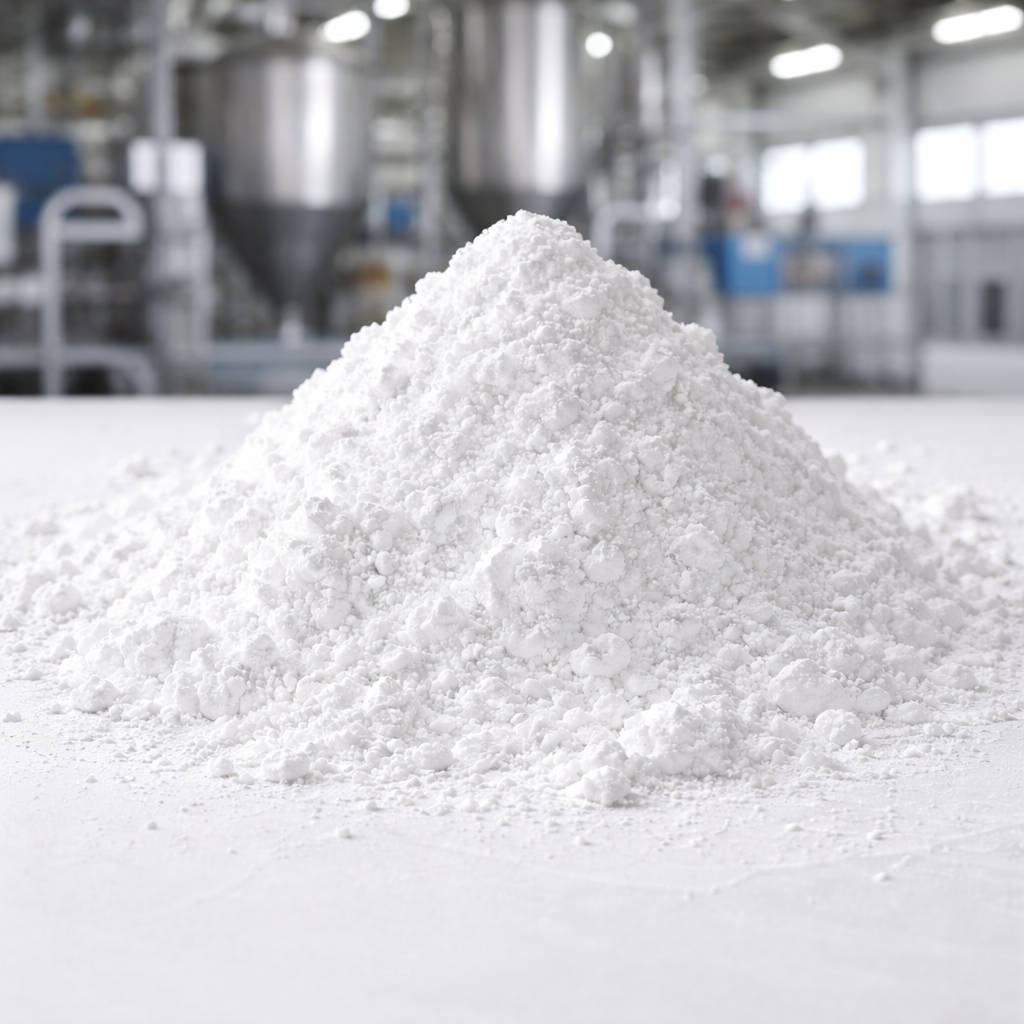
(June 8, 2026) Relying on a complete industrial chain support, mature production processes, and high cost-performance advantages, domestic foreign trade orders for silica have recently maintained a positive trend, with products exported to many countries and regions worldwide, and domestic brands gaining increasing influence in the international market.
Currently, international market demand shows differentiated characteristics. Southeast Asia, Latin America, and other regions mainly procure general rubber-grade silica, primarily supplying local tires and general rubber and plastic industries, with stable order volumes; Markets in Europe, Japan, and South Korea focus on purchasing vapor-phased, pharmaceutical-grade, and high-end modified silica, with strict requirements for product purity, performance indicators, and environmental protection qualifications. Domestic companies are positioning their product structures in a targeted manner, precisely matching the needs of different regions.
Facing increasingly stringent overseas environmental regulations and carbon tariff policies, domestic manufacturers have upgraded their processes ahead of schedule, vigorously promoting low-carbon preparation and resource recycling technologies. Multiple green and environmentally friendly silica products have successfully passed international certifications and overcome trade barriers. Compared to similar overseas products, domestic goods have clear advantages in price and delivery time while meeting quality standards, gradually replacing some imported sources.
Many companies have proactively adjusted their overseas strategies, shifting from purely exporting products to supporting technical services and customized R&D in parallel. Providing exclusive modification solutions tailored to special application scenarios for overseas customers, deepening cooperation stickiness, and continuously increasing repurchase rates among existing customers. At the same time, new models such as cross-border e-commerce and overseas on-site services have been implemented, further expanding sales channels.
Industry data shows that in the second quarter of this year, white carbon black exports achieved steady year-on-year growth. Industry insiders say that the global recovery in manufacturing combined with the overall competitiveness of domestic products provides long-term support for the growth of silica foreign trade. Going forward, companies will need to closely monitor changes in international standards, continuously refine product quality, and further tap the potential of overseas niche markets.