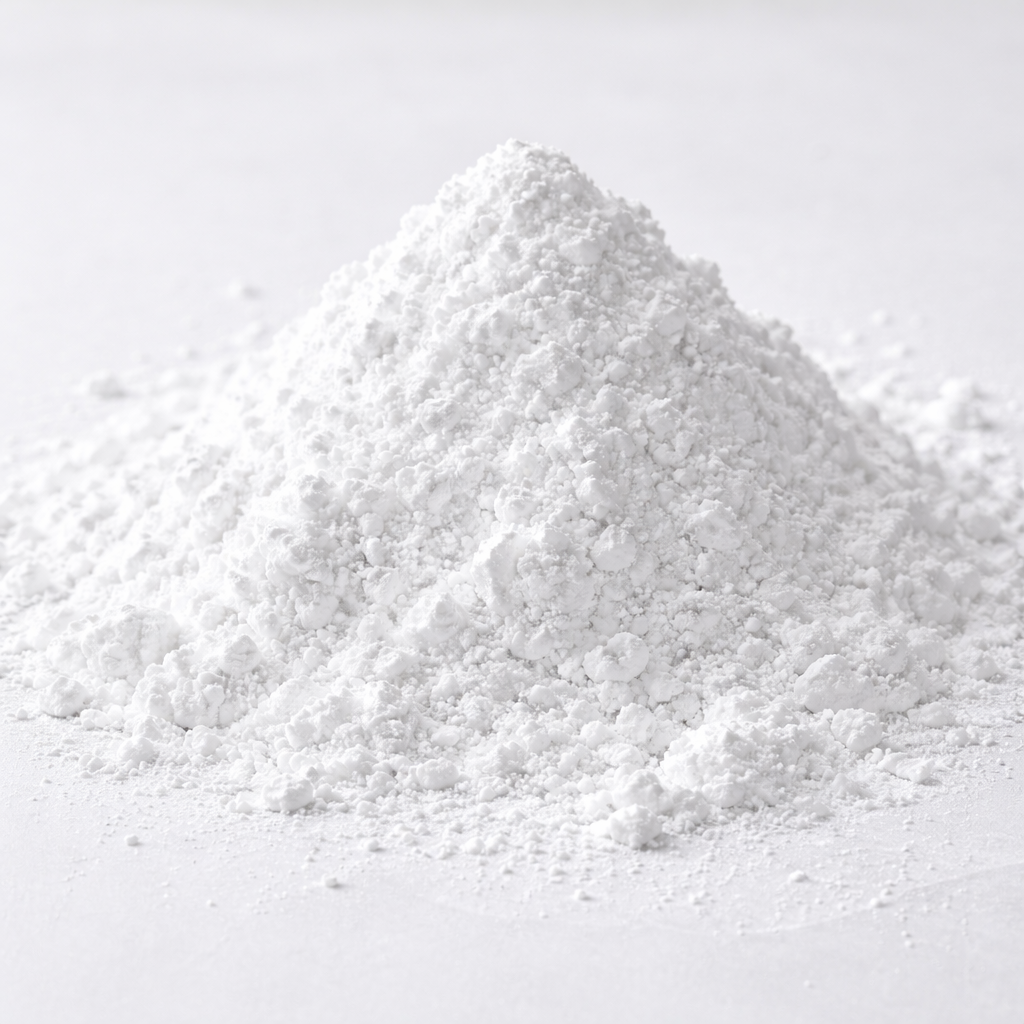
(June 8, 2026) Currently, the domestic white carbon black industry has abandoned its previous extensive development model, and collaborative innovation among industry, academia, and research has become the core driving force for industrial advancement. Universities, research institutes, and manufacturing enterprises have joined forces to tackle challenges, achieving breakthroughs in new preparation technologies, product modification, and applied R&D, uncovering new growth points for the industry.
Recently, chemical engineering colleges, materials research institutes, and local silica companies in multiple regions have jointly established laboratories to focus on industry pain points and carry out technical breakthroughs. To address issues such as high energy consumption and single product performance in traditional processes, the R&D team optimized synthesis paths and explored new technologies such as composite modification and nanostructure regulation, effectively enhancing the core properties of white carbon black, including reinforcement, hydrophobicity, and anti-aging. At the same time, pilot tests of new preparation processes such as gas phase and rice husk extraction are steadily advancing, with multiple R&D achievements gradually moving toward mass production.
At the technology transfer level, the speed of scientific research achievement implementation has significantly accelerated. The previous disconnect between laboratory technology and industrialization has improved. Under the cooperation model, R&D closely follows market demand, customizing and developing specialized products for downstream scenarios such as new energy adhesives, high-end rubber and plastics, precision electronics, and bio-excipients. Several new modified silica models have completed market trials, gaining recognition from downstream customers for their excellent performance and successfully achieving mass supply.
Talent and technology exchange activities are also becoming more frequent. The industry regularly holds technology summits and special seminars to share cutting-edge R&D achievements and practical experiences, not only helping leading companies consolidate their technological advantages but also providing small and medium-sized manufacturers with channels for technological upgrades, narrowing the overall industry technology gap. Many companies have also introduced professional R&D teams to build independent R&D platforms and establish exclusive technical barriers.
Industry insiders analyze that technological innovation capability has become the key for companies to widen the competitive gap. In the short term, new technologies and new formulations will continue to enrich the product portfolio; In the long term, the integrated industry-university-research model will continue to drive the silica industry toward high-tech, high value-added directions. Relying on technological empowerment, the domestic silica industry will further expand its application boundaries and continuously enhance its core competitiveness in both domestic and international markets.
http://www.siliconeoil.net