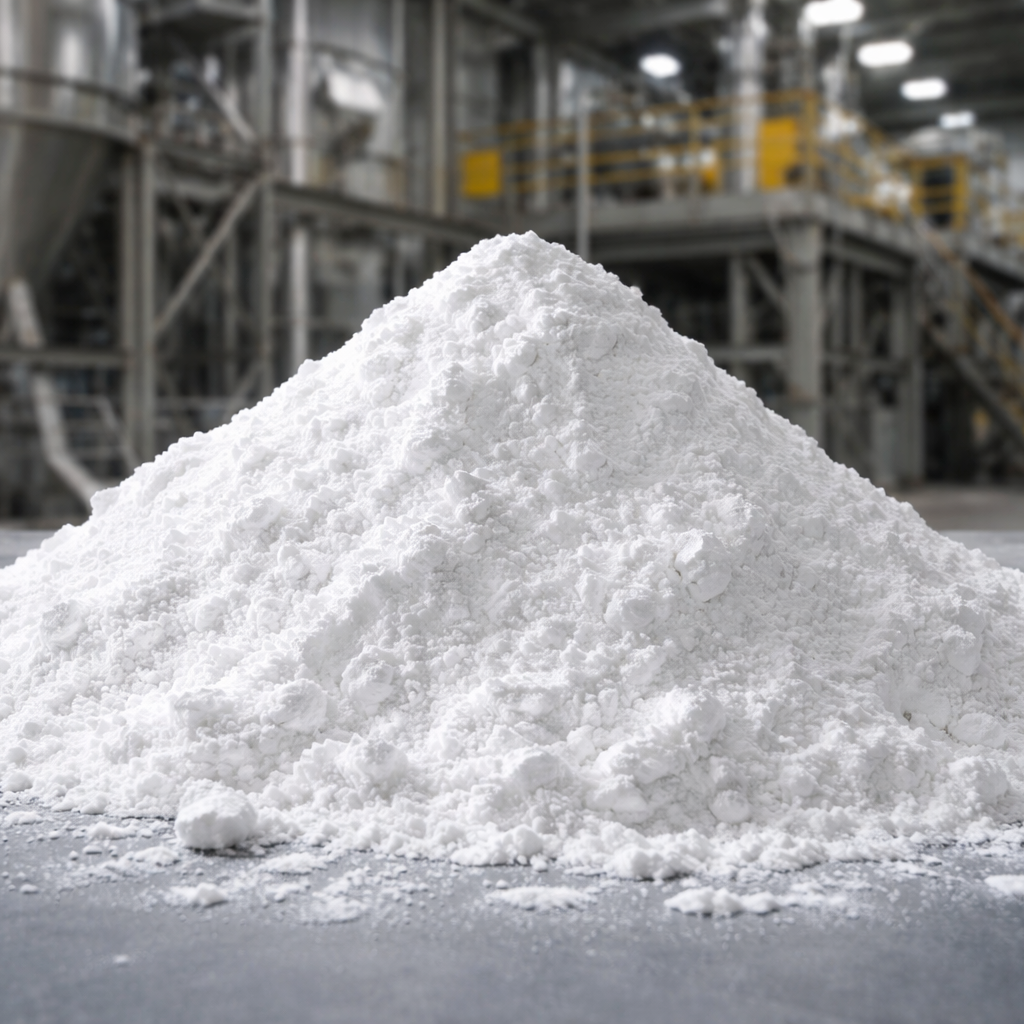
(June 6, 2026) Entering June, upstream raw material prices such as soda ash and quartz sand rose slightly. Coupled with normalized environmental production restrictions, domestic silica industry costs have risen, further intensifying industry differentiation. Profits from low-end general-purpose silica are shrinking, many small and medium-sized backward factories are showing lower willingness to operate, and industry resources continue to concentrate on leading companies with green capacity and refined R&D capabilities.
From the raw material market perspective, affected by mining controls and peak season stocking of chemical raw materials, the market price of soda ash, the core raw material for precipitated silica, rose slightly month-on-month this month, directly increasing production costs for conventional categories. Many small and medium-sized processing plants relying on outdated washing processes and without wastewater recycling devices are constrained by the dual pressures of environmental rectification and cost inversion. Some production lines have temporarily halted for maintenance, leading to a contraction in low-end supply and stabilizing spot prices for white carbon black for general rubber.
On the demand side, the situation is in a polar opposite: traditional footwear materials and ordinary rubber products are purchased on demand, with limited order growth; Meanwhile, demand for feed anti-caking agents, cosmetic powders, and refined silica for lithium battery flame-retardant fillers has risen against the trend, offsetting cost pressures caused by rising raw material prices with high added value. Many small and medium-sized manufacturers have proactively shifted to OEM production of customized modified white carbon black, abandoning the low-price, volume-driven general product track.
On the foreign trade side, new regulations have impacted the implementation of the EU carbon border tax, gradually expanding the scope of implementation of the EU carbon border tax. Exports of white carbon black produced by high-carbon processes have been hindered, and low-carbon products using rice husk ash solid waste recycling and carbon dioxide synthesis processes have successfully captured market share in Europe. Domestic foreign trade companies are actively upgrading production lines to optimize their carbon footprints. Industry analysts say that under the triple constraints of cost, environmental protection, and new foreign trade regulations, the pace of low-end capacity elimination in the silica black industry is accelerating, and refinement and low-carbon transformation have become essential paths for companies to survive.