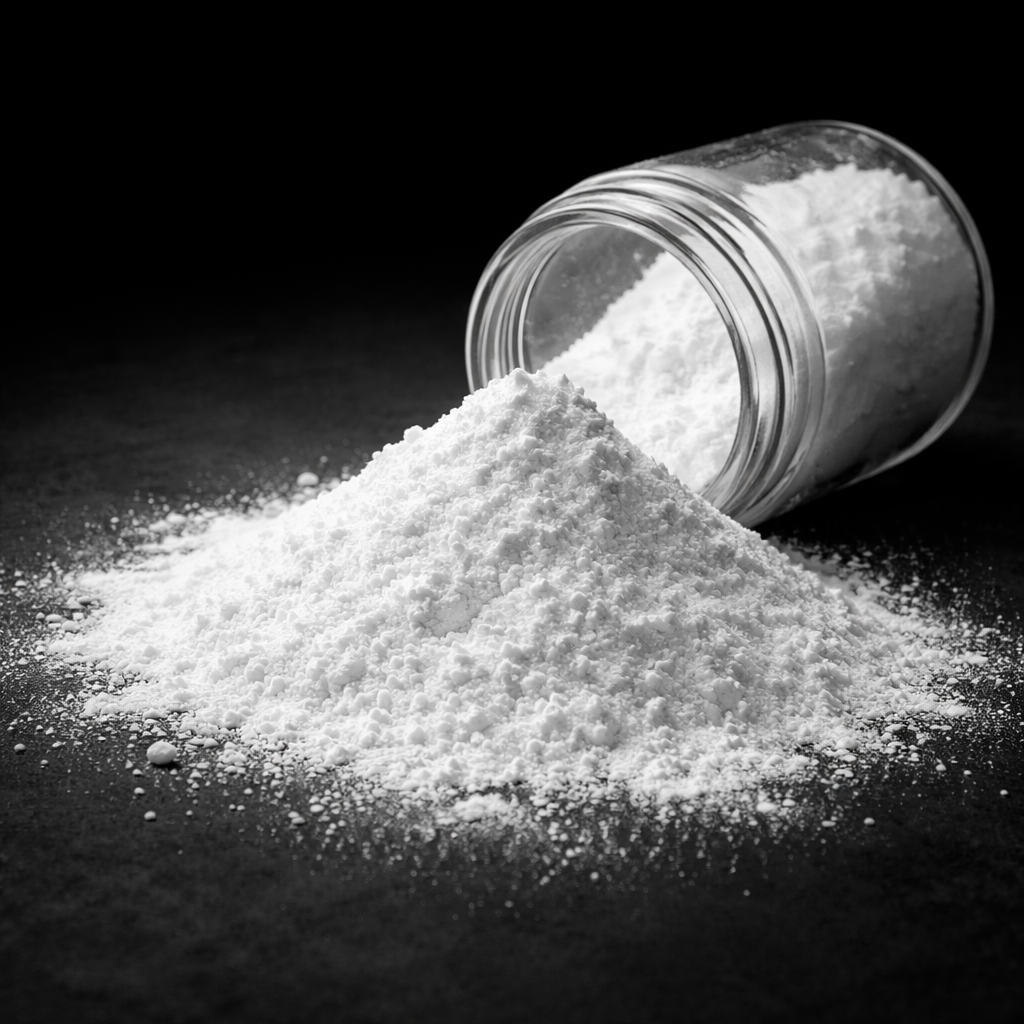
(June 5, 2026) As we enter the peak consumption season in June, beauty and sunscreen, home decoration coatings, and oral care terminals are stocking up in concentrated supply. Orders for fine white carbon black for food and pharmaceutical grades and coating matting are steadily climbing, the demand structure for the white carbon black industry continues to shift, and the growth rate of the non-rubber segment has fully surpassed that of the traditional tire sector, becoming the core engine supporting industry growth.
As summer sunscreen and makeup products enter a peak production and sales season, the purchase volume of high-purity hydrophobic silica specifically for cosmetics has surged rapidly. According to feedback from daily chemical raw material suppliers, in early June, beauty brands began producing waterproof sunscreens and matte foundations, with hydrophobic modified silica as a key ingredient in the formula, serving to absorb and control oil, suspend sunscreen additives, and enhance product waterproof and sweat resistance. Orders for domestic cosmetic-grade white carbon black rose 21% month-on-month. Previously, this category relied on overseas imports for a long time. In recent years, domestic products have optimized heavy metal and impurity indicators, and through raw material access for domestic beauty companies, import share has declined year by year, with domestic product supply accounting for over 55%. Demand in the toothpaste sector is also improving. Friction-type precipitated silica is used in mid-to-high-end toothpaste friction additives. Domestic daily chemical giants continue to lock in price-locking restock, and food-pharmaceutical-grade silica is steadily increasing volume in pharmaceutical flow boosters and health product anti-caking agents, thanks to its compliant qualifications.
The coatings market is driven by the dual benefits of resuming home decoration work and the popularization of water-based coatings, with demand for matte and anti-settling specialized white carbon black continuously released. Domestic environmental protection policies have accelerated the phase-out of solvent-based coatings from the market, with the output of water-based architectural coatings and industrial anti-corrosion coatings rising year by year. Silica relies on its excellent rheological properties to address pain points in coating storage settlement and spray sagging, making it an indispensable functional filler for high-end water-based coatings. Industry data shows that by 2026, the annual demand for white carbon for coatings is expected to exceed 180,000 tons, a year-on-year increase of 9.8%. Among these, high-end fumed silica has a penetration rate of over 34% in the industrial coatings sector. With the arrival of the peak season for home decoration in June, paint factory operating rates have rebounded, and small and medium-sized coating companies are restocking inventory, driving a rebound in transactions for matte silica in the mid- and low-end sectors.
Compared to the weakening of traditional rubber downstream sectors such as tires and footwear during the off-season, refined application sectors such as daily chemicals, coatings, and food and pharmaceuticals have maintained steady growth year-round. In the past five years, the annual growth rate of non-rubber silica consumption has remained above 6%, gradually changing the industry's reliance on the rubber market demand pattern. Several white carbon black manufacturers have adjusted their product layouts, reduced the capacity of general low-end precipitated white carbon black, and added specialized modified production lines for cosmetics and coatings. The gross profit margin of refined products far exceeds that of general rubber-grade products, becoming a source of profit growth for factories.
On the foreign trade side, exports of daily chemical-grade and coating-specific white carbon black performed impressively. Factories in Southeast Asia and the Middle East stocked up during peak seasons, and domestic fine white carbon black continued to expand overseas thanks to its cost-performance advantage. In June, exports of fine categories rose 27% year-on-year, significantly outperforming ordinary white carbon black export data.
Industry analysts say that with the upgrading of consumer consumption and the implementation of new regulations on environmentally friendly coatings, the requirements for refined and high-purity white carbon black in daily chemical and coating sectors will continue to rise. The growth of non-rubber sub-sectors is highly certain, and the transformation of the white carbon black industry from relying solely on rubber to providing refined supporting services across multiple fields is a long-term trend.