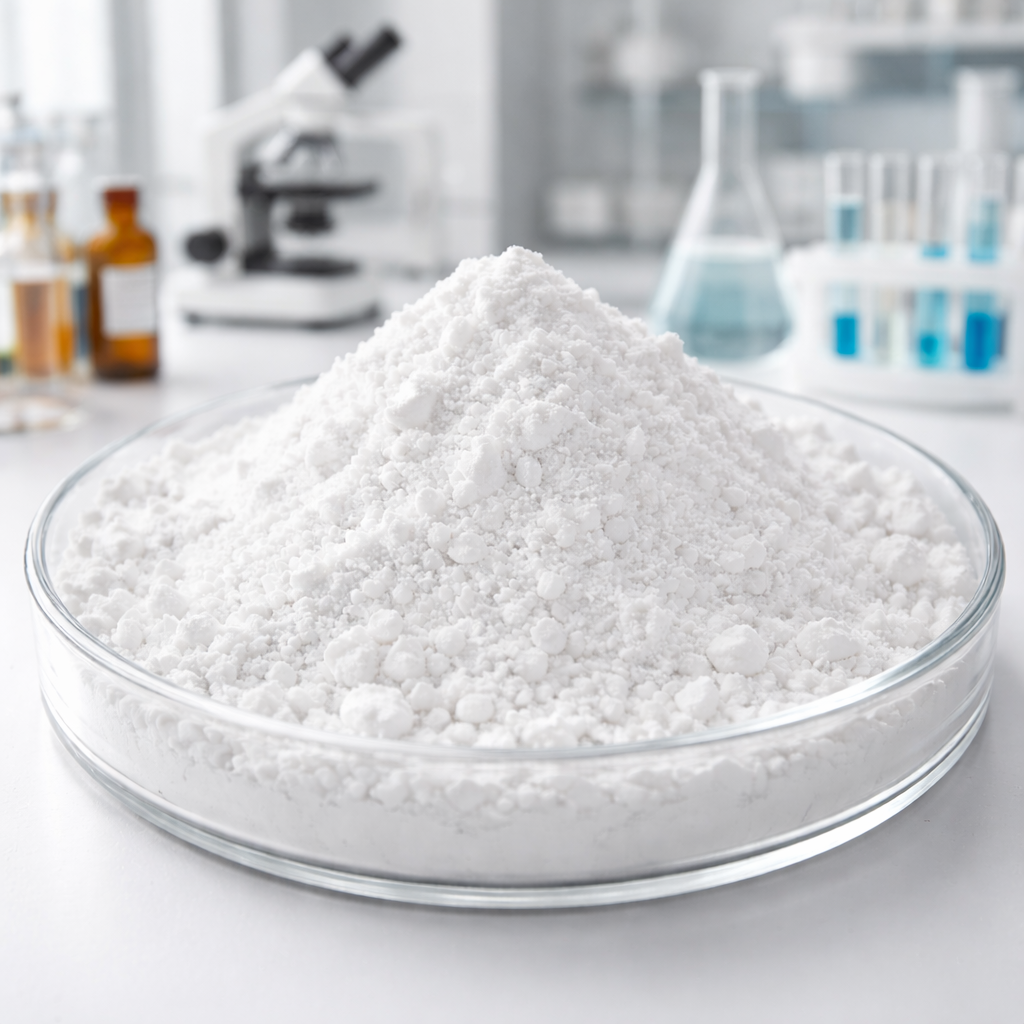
(June 5, 2026) As global carbon trade barriers continue to rise, the EU has tightened carbon tariffs and many countries' low-carbon access standards, causing the carbon cost of traditional chemical export products to keep rising. In June 2026, the domestic white carbon black industry underwent a structural transformation. Relying on the accelerated industrialization of bio-based recycling of white carbon black through rice husk ash solid waste recycling, and leveraging ultra-low carbon emission advantages, it successfully bypassed overseas carbon tax barriers, becoming the core growth track for domestic white carbon black exports and completely rewriting the industry's traditional foreign trade pattern of high-carbon production and low-price volume-driven sales.
For a long time, mainstream domestic silica has used traditional sulfuric acid and water glass processes, which consume high energy and have a large carbon emission base during production. Exporting to Europe, America, and the EU requires paying hefty carbon tariffs, greatly squeezing foreign trade profit margins and continuously weakening the export competitiveness of low-end products. Under the global low-carbon trade system, high-carbon capacity exporting is hindered, and traditional white carbon black foreign trade has long been trapped in the dilemma of "increasing volume and declining profits," making the industry urgently need a breakthrough through green production models.
The recycling process using rice husk ash as the core raw material has become a key breakthrough for the green transformation of the white carbon black industry. Reportedly, this process uses agricultural waste rice husks as raw material to extract and produce silica, achieving resource reuse of agricultural and forestry solid waste. The entire process requires no high-energy-consuming chemical reactions, reducing carbon emissions by over 60% compared to traditional processes, while significantly lowering wastewater and solid waste emissions, combining environmental and cost advantages. This type of bio-based silica is a low-carbon, green new material and can directly exempt most of the overseas carbon tariff quotas.
Entering the second quarter of 2026, many domestic companies have achieved stable mass production of bio-based silica production lines, with products passing EU low-carbon product certification and green building material certification, successfully entering high-end supply chains in Europe, Southeast Asia, and the Middle East. Compared with traditional process products, bio-based recycled silica export prices carry an 8%-15% premium and higher order priority, with strong willingness from overseas buyers to sign contracts. In early June, domestic bio-based silica foreign trade orders increased by more than 40% year-on-year, becoming the fastest-growing subcategory in the industry.
In addition to its advantages in foreign trade, green circular processes also significantly reduce the domestic environmental production costs for enterprises. Against the backdrop of normalized environmental control and tighter pollutant emission targets in the domestic chemical industry, the cost of discharge from traditional silica companies has been rising year by year. The circular production model does not require high investment in environmental protection and has a resource utilization rate close to 95%, effectively addressing the industry's pain points of high water consumption and high waste discharge, helping companies reduce costs and improve efficiency.
Industry data shows that in the first half of 2026, the domestic share of green circular silica production capacity will continue to rise, currently exceeding 18%, and is expected to exceed 25% within the year. While traditional general-purpose white carbon black foreign trade competition is fiercely competitive and profits thin, low-carbon bio-based products leverage differentiated advantages to open up a new blue ocean market, completely breaking free from homogenized low-price competition.
Industry experts analyze that global carbon trade rules will continue to tighten, and low-carbon attributes will become the core entry barrier for chemical product foreign trade. In the future, competition in the silica industry will no longer be just about price and capacity, but will be a competition over green processes and low-carbon qualifications. As the recycling technology for agricultural and forestry solid waste continues to mature, bio-based silica will gradually replace part of the traditional high-carbon production capacity, becoming the core force supporting high-quality growth in industry foreign trade and enhancing global industrial discourse.
http://www.siliconeoil.net