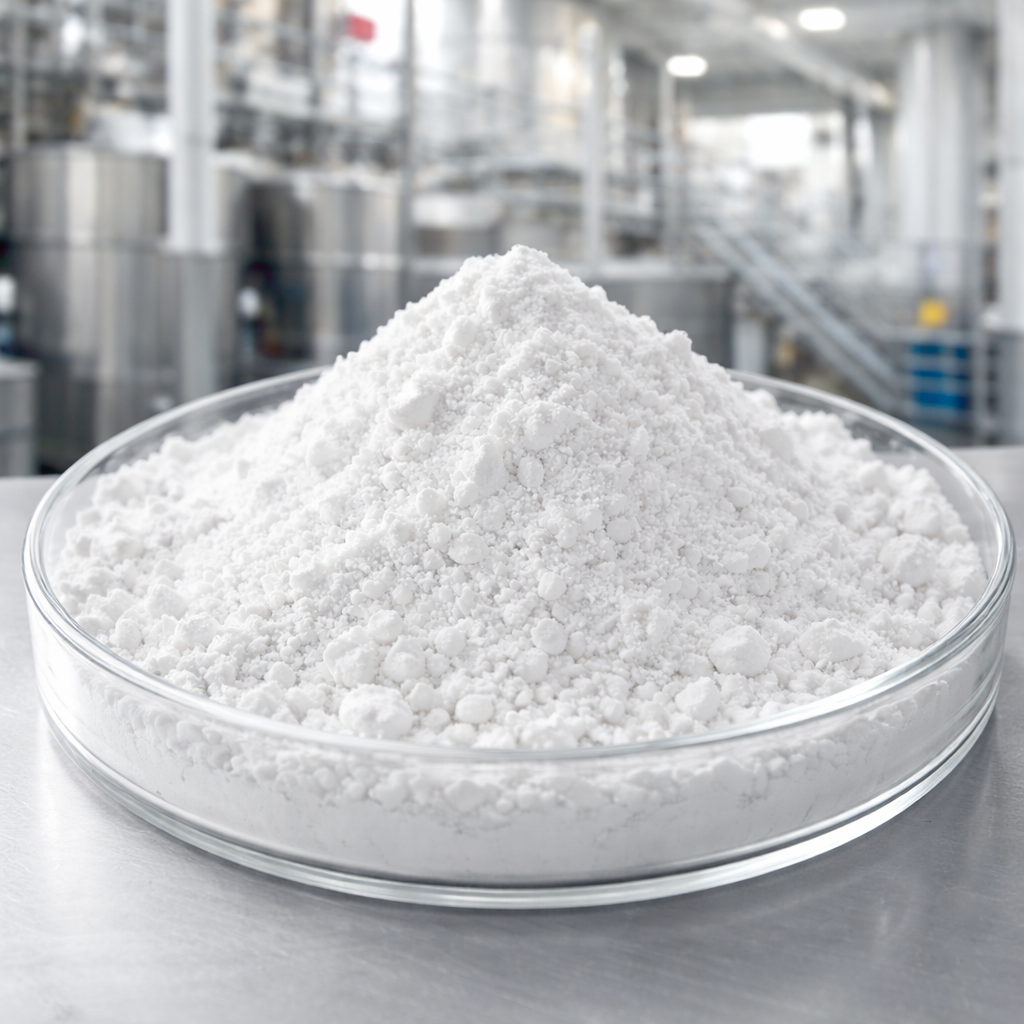
(June 3, 2026) As early June began, the domestic silica industry entered a period of structural transformation. Influenced by multiple factors such as breakthroughs in domestic gas-phase production technology, the implementation of green and low-carbon policies, the growing demand for tires in new energy vehicles, and a steady increase in overseas orders, there was a clear divergence in the market prices for both precipitation- and gas-phase produced silica. Low-end, outdated production capacity was rapidly phased out, while biomass-based low-carbon silica became a new focus for investment in the entire industry. Export data for the first quarter once again reached new highs for the same period.
Looking at the current market quotes (as of June 2), the mainstream ex-factory price for general-purpose rubber-grade precipitation silica in China is between 5800-6050 yuan per ton, with prices remaining relatively stable over the past three months despite slight fluctuations. The transaction prices in Shandong, a major tire production area, are lower, indicating limited bargaining power. High-end gas-phase silica prices have been supported by a slight increase in the cost of raw material methyltrichlorosilane; the mainstream quote for silica with a specific surface area of 200 m² is between 21000-23000 yuan per ton, indicating a market that is stable with a slight upward trend. The price for high-end electronic-grade silica has even exceeded 35000 yuan per ton. On the raw material side, the prices of quartz sand and soda ash have remained stable, but energy costs remain high. Leading companies are using circular production technologies to offset production costs. However, small and medium-sized processing plants are facing increased pressure from both environmental regulations and cost constraints, resulting in reduced production. For the entire year of 2026, domestic silica production capacity is planned to increase by approximately 409,000 tons; however, actual effective production will likely fall short of these expectations. Consequently, the industry's supply-demand balance is gradually shifting from a surplus to a tight situation.
Foreign trade data shows impressive results. According to the Carbon Black Branch of the China Rubber Industry Association, in the first quarter of 2026, China exported 402,000 tons of fumed silica, a year-on-year increase of 15.57%, with a total export value of $211 million, up 14.55% compared to the previous year. In contrast, imports amounted only to 19,100 tons, a decrease of 7.95% year-on-year. Despite the decrease in volume, import prices rose, averaging over $3,090 per ton—nearly six times the average export price of domestically produced fumed silica. This clearly indicates that the global competitiveness of domestic fumed silica has improved, while there is still a demand for high-end products that must be imported, suggesting significant potential for domestic substitution. The main destinations for these exports include Southeast Asian and Middle Eastern countries such as Vietnam, Saudi Arabia, Thailand, and the United Arab Emirates. The ongoing trend of overseas companies establishing production facilities for green tires and silicone rubber continues to drive growth in China’s fumed silica exports.
At the technical and industrial level, significant milestones have been achieved. Numerous domestic chemical companies have successfully localized the entire production process for high-end fumed silica, breaking decades-long monopolies held by European, American, and Japanese companies. Domestic-produced fumed silica is now being used in industries such as automotive electronics, pharmaceutical excipients, and high-end sealing materials, thereby continuously reducing the cost of purchasing such materials in China and forcing imported products to lower their prices as a result.At the same time, carbon reduction policies continue to drive the green transformation of industries. Regions such as Jiangsu and Shandong have implemented new regulations requiring the phasing out of outdated production facilities capable of producing less than 15,000 tons of low-end fumed silica per year. Many companies in these areas have initiated energy-saving technological upgrades, replacing old coal-fired boilers with more efficient models and installing systems for the recycling of waste water and by-products such as salt. The industrialization of biomass-based fumed silica has also accelerated, with new low-carbon production lines using rice husk ash and agricultural waste as raw materials being established one after another. The carbon footprint of these products is more than 65% lower than that of traditional production methods. Thanks to their lower carbon footprint, these products are eligible for exemptions from EU carbon tariffs, resulting in significantly higher export prices. Within this year alone, over 50,000 tons of new production capacity for biomass-based fumed silica has been put into operation.
Downstream demand is showing increasing structural differentiation: while the demand for tires used in traditional fuel vehicles remains stable, tires for new energy vehicles have become a key source of growth for the high-end fumed silica market. After the new national standards were implemented in 2026, the amount of high-dispersion fumed silica added to tires for new energy vehicles increased by about 40% compared to traditional tires, and the consumption of fumed silica in the green tire sector now accounts for more than 45% of total tire production. Demand in emerging areas such as photovoltaic sealants, lithium battery separator coatings, personal care products like toothpaste, and water-based coatings is also growing steadily, driving an increase in orders for specially modified fumed silica. Fumed silica specifically designed for lithium batteries has become a focus for leading companies looking to expand their production capacity. Leading manufacturers such as Lianke Technology and Suocheng Silicon Chemistry are expected to bring their special fumed silica production projects online between the second and third quarters of 2026.
Industry analysts predict that by 2026, the overall domestic market size for fumed silica is expected to exceed 21.2 billion yuan, representing a year-on-year increase of 7.2%. The growth rate of fumed silica produced by the gas-phase method is expected to reach 13.5%, significantly outpacing the 6.8% growth rate of the precipitation method. As low-end production capacity continues to be phased out and the proportion of high-value-added products increases, the average gross profit margin of the industry is expected to rise to 24.1% throughout the year. Green development, high-end positioning, and localization will remain the main driving forces behind the industry’s growth throughout this period.
http://www.siliconeoil.net