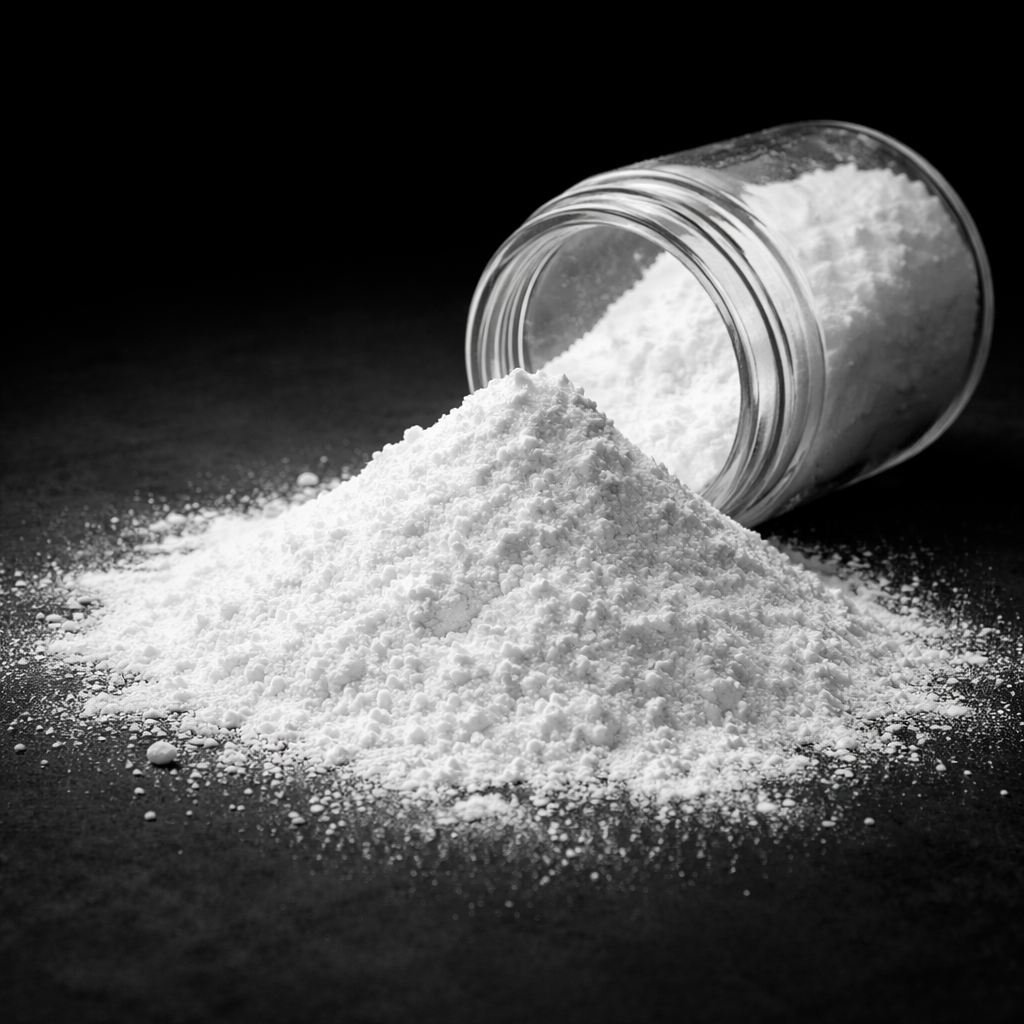
(June 3, 2026) For a long time, the high-end fumed silica has been monopolized by overseas companies, and the industry landscape is undergoing a substantial transformation. With continued increased investment in domestic chemical new materials R&D, many local chemical companies have achieved localization of process technologies, leveraging cost and location advantages to capture domestic and international markets, forcing the entire silica industry chain to reshape prices and supply-demand structures, becoming the most closely watched change in the chemical raw materials market in June. In the past, China's high-end fumed silica was highly dependent on imports, with high procurement costs for raw materials in automotive electronics, high-end silicone, and pharmaceutical excipients. Downstream companies had long been constrained by overseas supply controls and pricing. Now, with the mass production of domestic gas-phase silica, the supply and demand logic of the high-end silica market is changing from the source.
From a product segmentation perspective, precipitated silica remains the main consumer force, focusing on traditional fields such as tires, general rubber, and civilian coatings. The market capacity is ample, industry competition is intensifying, and product profits are continuously squeezed. In stark contrast, fumed silica was priced high for years before domestic technology achieved mass production. However, with the launch of new domestic processes, hydrophilic and hydrophobic fumed silica have been gradually introduced to the market in batches, with prices of the same specification about 20% lower than imported sources. This directly drives down production costs for downstream high-end silicone and sealant manufacturers. Downstream factories have adjusted their procurement lists and gradually replaced imported raw materials, causing domestic gas silicon monthly shipments to continue rising.
On the cost side, core fumed-phase silica raw materials such as industrial silicon and methanol have recently fluctuated and consolidated. The domestic raw material supporting industry chain in production areas is becoming increasingly complete. Some silica production bases rely on local industrial silicon clusters to significantly reduce raw material transportation costs, further leveraging the cost advantage of domestic products. In contrast, imported products are combined with additional fees such as sea freight, tariffs, and agency fees, causing price competitiveness to continue declining. Many overseas brands are gradually scaling back their domestic low-end market presence and focusing on ultra-high purity specialty grades.
The demand market is polarized: the traditional precipitated silica downstream tire industry is operating steadily, companies restocking as needed, with weak willingness to stockpile in large batches, and prices of conventional grades remaining stable; High-end gas-silicon has benefited from the rapid development of the new energy industry, with explosive demand in emerging fields such as wiring harness sealing for new energy vehicles, lithium battery electrolyte thickening, and photovoltaic adhesives. Major adhesive manufacturers continue to increase their purchases of domestic silica, with some leading gas-gas-silicon manufacturers already scheduling production through early July. The daily chemical and pharmaceutical sectors also saw growth, toothpaste and pharmaceutical excipients raised standards for high-purity silica, and domestic products gradually achieved import substitution through compliance qualifications.
The foreign trade market has reached new breakthroughs, with domestically produced high-end silica exported to the Middle East, Southeast Asia, Latin America, and other regions thanks to its high cost-effectiveness. Overseas rubber and plastics and new materials manufacturers have come to China to negotiate cooperation, and in the past month, export orders for domestically produced fumed-phase silica have increased by more than 30% month-on-month. The previous habit of overseas customers prioritizing European, American, and Japanese products has shifted, and domestic white carbon black has steadily increased its share in the global filler market.
Industry analysts say that the localization of silica is an inevitable result of the major trend of domestic substitution in new materials. In the next two years, several new fumed silica units will be put into operation, further improving the self-sufficiency rate of high-end products. In the long term, low-end precipitated silica will continue to face overcapacity pressure, with profits remaining low; High-end modified and fumed silica relies on domestic substitution and emerging downstream demand support, providing ample upside potential in the market. With continuous technological iteration, the local silica industry will steadily transform from a high-capacity country to a quality-strong one.
http://www.siliconeoil.net