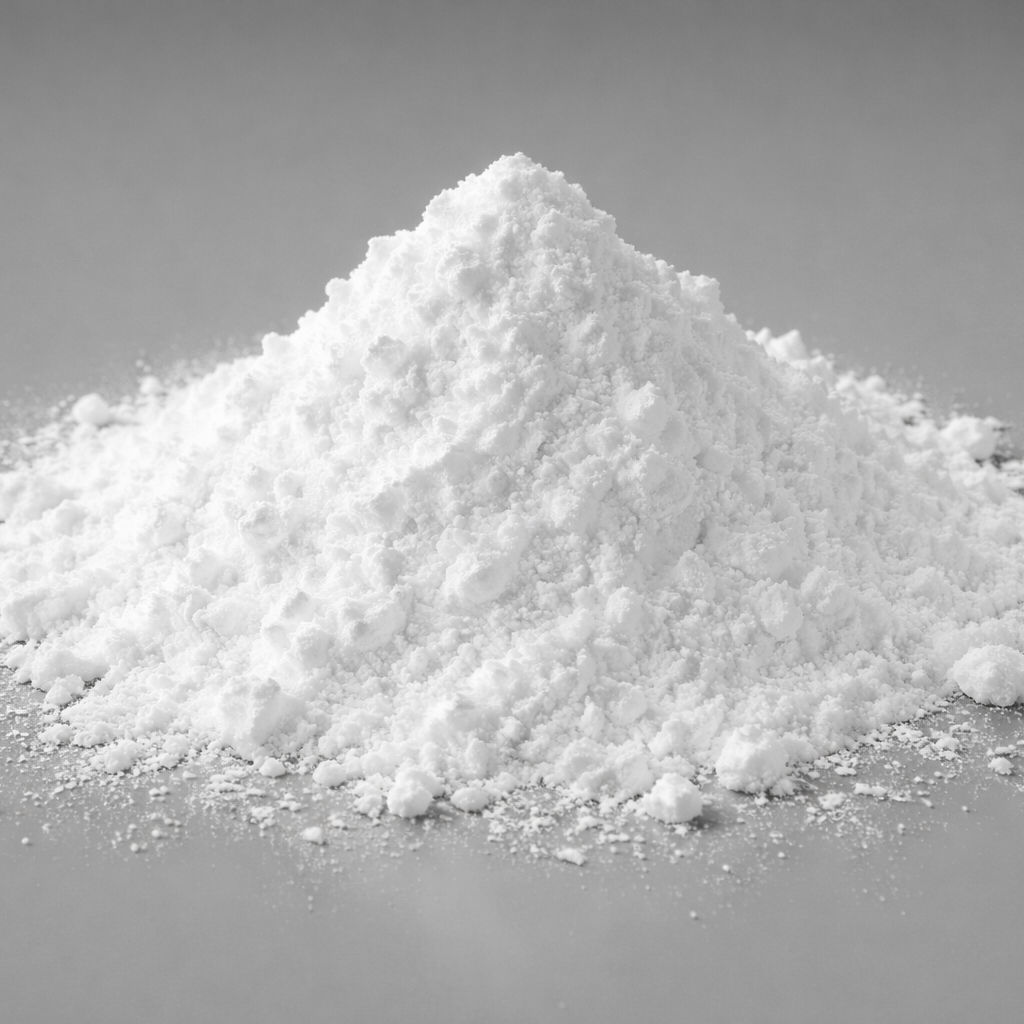
(June 3, 2026) Recently, mid- and downstream manufacturers of rubber, coatings, and silicone have strictly controlled production costs, accelerating the iteration of various filler formulations. With its advantages in reinforcement, wear resistance, and environmental protection, white carbon black is rapidly replacing traditional fillers like carbon black and calcium carbonate, becoming a hot category in the chemical raw material substitution boom.
Affected by terminal cost reduction policies, many small and medium-sized rubber product factories have adjusted raw material ratios and increased the proportion of silica added in the production of shoe soles, miscellaneous parts, and sealing gaskets. This not only improves the toughness of finished products but also optimizes overall material costs, driving a steady recovery in mid- and low-end precipitated silica purchases. The water-based coatings industry is constrained by environmental emission restrictions and is gradually phasing out heavy calcium fillers. Demand for ultrafine modified silica is rising month by month, and spot circulation activity has increased.
In terms of raw materials, upstream water glass prices have slightly declined, with some large manufacturers slightly adjusting production costs. However, supported by previous environmental protection investments and equipment maintenance fees, there is currently no room for significant price reductions in silica ex-factory prices. The market is mainly based on actual order negotiations, with slight price differences across regions.
In foreign trade, Southeast Asian rubber and plastic processing plants are expanding intensively, local traditional filler capacity is insufficient, and large quantities of domestic silica are being purchased to replace imported fillers. Foreign trade inquiries have increased month-on-month over the past half month, and small and medium-sized manufacturers have seen significant growth in export orders.
Industry views point out that formula substitution is the core logic for new demand for white carbon at this stage. In the short term, as downstream formulation upgrades continue to be implemented, rigid demand for white carbon dioxide is steadily being released; In the medium to long term, as environmental regulations tighten, the scope of filler substitution will keep expanding, benefiting the production and sales of all categories of silica, making ordinary grade prices easier to rise than fall.