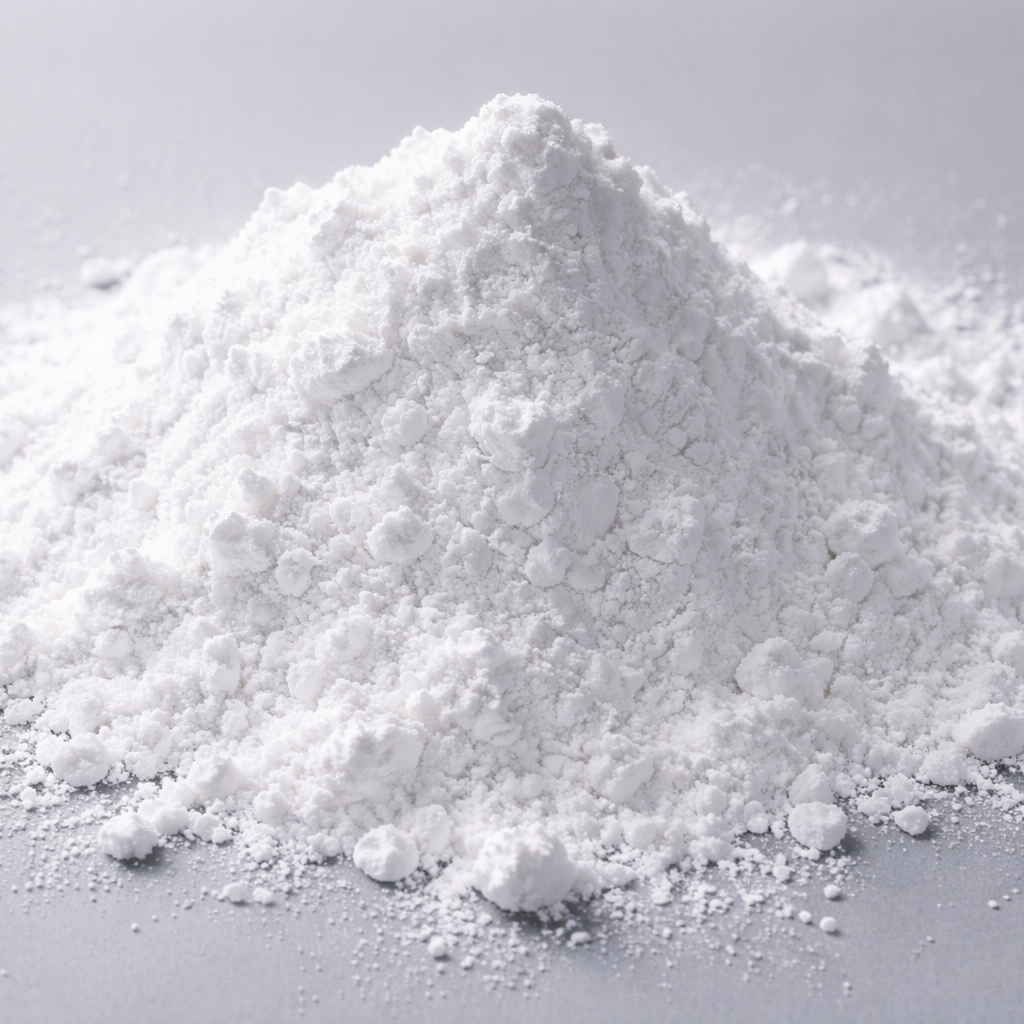
(June 2, 2026) The domestic silica foreign trade market has emerged independently. Against the backdrop of global chemical demand differentiation and insufficient overseas domestic plant operations, China's silica exports have increased month-on-month for two consecutive months, breaking the previous pattern of low-price competition for general products. High-end categories such as hydrophobic fumed silica and high-dispersion silica for tires have become the main export drivers. Relying on cost and process advantages, China continues to capture market share in new materials in Europe, America, Southeast Asia, and the Middle East. Foreign trade has become an important support point for the domestic industry at present.
Customs statistics show that in May, domestic silica exports rose 11.3% month-on-month, with high-end fumed-phase silica exports exceeding 32%, and procurement orders from Southeast Asian rubber processing bases and European new energy tire manufacturers were concentrated. From quotations, the offshore average price of export-grade precipitated silica rose by 200~350 yuan/ton compared to the first quarter, with a clear export premium advantage for modified high-end silica. Products of the same specification are about 15% cheaper than domestic products in Europe and America, prompting overseas buyers to reduce local procurement and shift to domestic sources. In contrast, overseas markets are affected by persistently high energy costs in many parts of Europe, with several established silica production facilities experiencing intermittent production cuts. Japan and South Korea have limited production capacity for fine chemicals using silica, further benefiting China's export trade.
On the domestic production side, production plans are adjusted according to export orders, with most factories focused on exports prioritizing foreign trade orders, and domestic supply contracting slightly, indirectly stabilizing the domestic spot market. Unlike the previous model of relying on low-end ordinary silica for export volume, domestic manufacturers have continuously upgraded their technology in recent years, improving product formulas around three major export directions: tire reinforcement, lithium battery materials, and coating matting materials. High-disperse silica has become a must-have product in the European market due to its compliance with the EU's new tire low-carbon regulations. The current EU environmental protection law sets tire carbon emission targets and mandates a higher proportion of silica filler usage, directly driving steady growth in orders for supporting grades of silica in China.
In niche markets, Southeast Asia has relied on the expansion of its rubber and footwear industries, maintaining stable procurement of general-purpose precipitated silica; The Middle East's photovoltaic industry is rapidly taking root, with a surge in imported demand for fumed silica needed for photovoltaic adhesives; The North American coatings and daily chemical industries are steadily recovering, with an increase in foreign trade inquiries for hydrophobic ultrafine silica. Many small and medium-sized white carbon black companies have abandoned low-price internal competition and transformed to focus on niche foreign trade tracks. Relying on cross-border chemical traders and overseas resident agents, they have broadened sales channels. Customized production models are gradually becoming popular, with surface area ratio and hydrophilic properties tailored to downstream product standards in different countries as needed.
On the cost side, although high prices of sulfur and quartz sand raw materials have squeezed production profits, large-scale production and supporting circular production processes partially offset the impact of price increases. Leading export companies have built their own raw material supply and wastewater reuse production lines, with cost control capabilities far exceeding overseas peers. Domestic environmental protection policies continue to eliminate inefficient and backward production capacity, industry resources are increasingly gathering at leading companies with export qualifications and advanced production technologies, and the degree of industrial inconcentration continues to rise, helping domestic silica to build international brand competitiveness.
The domestic demand market is polarized: low-end general-purpose white carbon is dragged down by downstream small and medium-sized footwear materials and small rubber factories during the off-season, resulting in weak demand and sluggish price increases; High-end white carbon black for new energy is booming both domestically and internationally. Domestic power battery and photovoltaic adhesive companies have ample stock, and combined with foreign trade orders diverting supply, they are further reducing market inventory for high-end products.
Industry institutions analyze that June to August is the traditional stocking cycle for overseas rubber products and coatings, and there is still room for upward export orders for white carbon black. In the medium to long term, the continued implementation of global low-carbon policies will drive the expansion of green tires, new energy, and new materials industries. Domestic silica, leveraging process iteration and cost advantages, will continue to increase its export share. The industry's development focus will shift from domestic stock competition to global incremental market expansion, with high-end exports leading the long-term development direction of the silica industry.