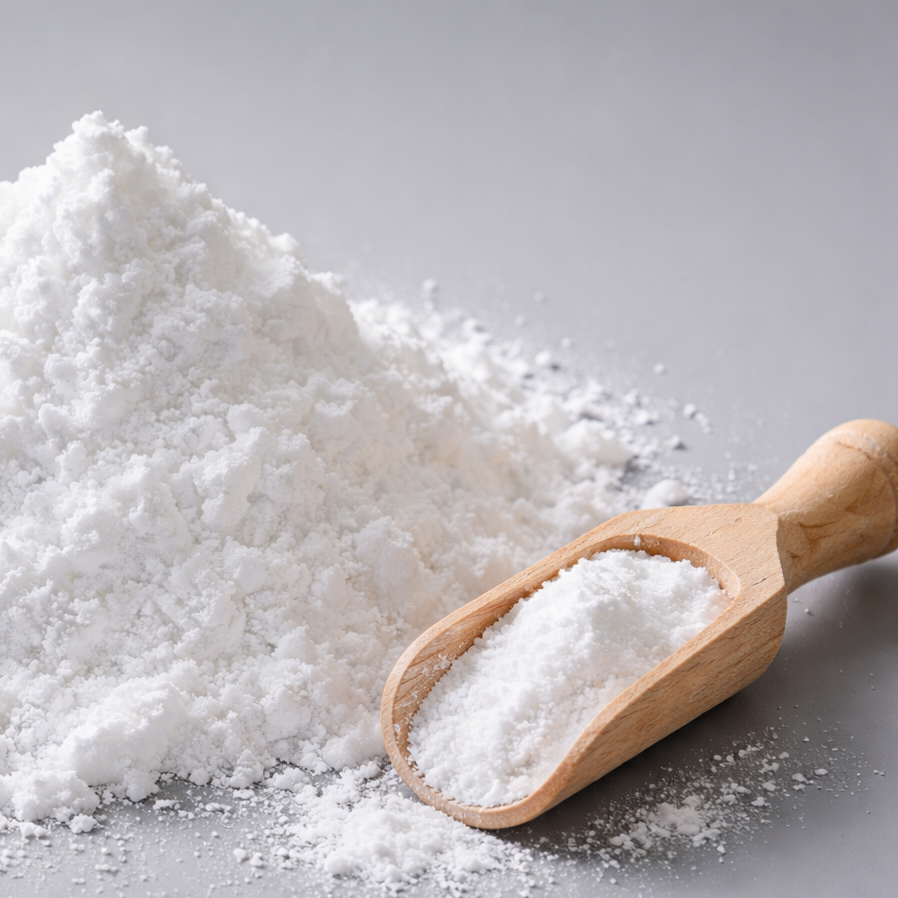
(June 2, 2026) Enter 6 In the first ten days of this month, the domestic silica market ushered in a two-way game between supply and demand and cost. Affected by multiple factors such as the high prices of upstream sulfur and soda ash raw materials, the rebound in demand for downstream new energy tires, and the expansion of demand for high-end silicone rubber and new photovoltaic materials, the entire industry showed a differentiated market with stable prices for ordinary grades and steady strengthening of functional high-end silica. The industry accelerated its transformation from extensive mass production to refinement and greening, and the emerging fields of new energy became the core engine driving industry growth.
Judging from the spot quotation, according to the latest market monitoring data of SunSirs on June 1, the market quotation of precipitation-based rubber-grade silica in mainstream domestic production areas remains stable. The ex-factory price including tax in Shandong production areas is 5,100-6,000 yuan/ton, and the Fujian market is 5,000-5,800 yuan/ton; the market price of high-end vapor phase silica (200 specific surface area specification) remains at 21,000-36,000 yuan/ton. In the ton range, price differences among subdivided categories continue to widen. Due to short supply, the price of highly dispersible modified silica is 1,200-2,000 yuan/ton higher than that of general brands. The overall market transactions are mainly based on replenishment of urgent needs. Traders mostly obtain goods on demand and stock up cautiously. There is limited room for sharp rises and falls in spot prices in the short term.
The cost side is the key factor supporting the market price of silica at this stage. Since 2026, the price of sulfur has risen sharply due to the disturbance of the international geopolitical situation. The cumulative increase during the year has exceeded 80%. The quotation of sulfuric acid as the core raw material of precipitation method silica has remained high. The price of sulfuric acid fluctuates per 100 yuan, which directly drives the increase or decrease of silica production cost by 80 to 100 yuan/ tons; at the same time, the price of soda ash has fluctuated due to the expansion of photovoltaic glass production capacity and the maintenance of local equipment. The purchase cost of high-quality quartz sand has increased year-on-year due to the cross-border rush for semiconductors and new energy. The price increases of multiple raw materials have continued to compress the profit margins of production companies. In the first quarter, the production costs of leading silica companies have increased by more than 15% year-on-year. Many small and medium-sized factories have chosen to control production and protect prices. The overall operating rate of the industry has remained at about 70%, effectively alleviating the pressure of excess supply in the market.
The demand side has formed a differentiated pattern of traditional stable volume and emerging large-volume growth. Among traditional application fields, tires are still the largest consumer market for silica, accounting for about 70% of the total demand. As domestic automobile production and sales continue to pick up in the second quarter, the factory volume of new energy vehicles has steadily increased, and the penetration rate of green tires has continued to rise. Currently, more than 85% of domestic new energy vehicle original tires use highly dispersed silica formulas. Compared with traditional carbon black fillers, they can reduce tire rolling resistance and increase the cruising range of new energy vehicles. 8%-10%, leading tire factories such as Linglong and Zhongce have started operations smoothly, and continue to release the purchase demand for reinforcing fillers, driving the steady destocking of rubber-grade silica. The shoe material and general silicone rubber markets remain stable, orders from downstream product companies are stable, and silica procurement maintains a rigid demand rhythm.
Emerging tracks have become new pillars of industry growth, completely rewriting the silica consumption structure. The demand for high-end vapor phase silica has exploded in the fields of power battery separator coatings, photovoltaic encapsulants, and electronic sealing silicone rubber. The annual demand growth rate for ultra-fine and high-purity silica for lithium batteries has exceeded 25%. In fine chemical fields such as food additives, pharmaceutical carriers, and coating matting agents, the import substitution process of functional modified silica has accelerated. Domestic hydrophobic silica has gradually broken the monopoly of overseas brands. Orders for new high-end production lines from leading companies have been scheduled to the third quarter. According to estimates by industry organizations, the increase in demand for high-end functional silica will account for more than 60% of the industry's new consumption in 2026, and product premiums will be significant, becoming a profit growth point for companies.
At the industrial policy level, dual carbon control continues to force green upgrades in the industry. Under the constraints of new environmental protection regulations, the clearance of high-energy-consuming backward production capacity has accelerated. Industry leading companies have concentrated on laying out low-carbon production lines for wastewater recycling and waste heat recovery. New processes for preparing silica from solid waste raw materials have gradually been implemented. Low-carbon products have more tariff advantages in export foreign trade. The new fumed silica intelligent production lines of domestic companies such as Quechen Co., Ltd. and Chenguang New Materials have been put into operation in the second quarter. Domestic high-end production capacity has continued to be released, further optimizing the domestic silica supply structure. Industry concentration continues to increase, and the top ten companies have a combined market share of nearly 60%.
In terms of the market outlook, industry analysts predict that the upstream raw material costs will not fall significantly in the short term, and the price of general silica grades will continue to maintain a stable price trend; in the third quarter, with the arrival of the traditional peak season of the tire industry, the photovoltaic and lithium battery industries continue to expand production, and the stock price of highly dispersed and ultra-fine modified silica will be positive. In the long term, relying on the long-term development of new energy vehicles, photovoltaic energy storage, and high-end new material industries, the demand for silica industry will maintain an average annual growth rate of around 4.8%. High-end, green, and refined products will become the main theme of industrial development in the next few years.
http://www.siliconeoil.net