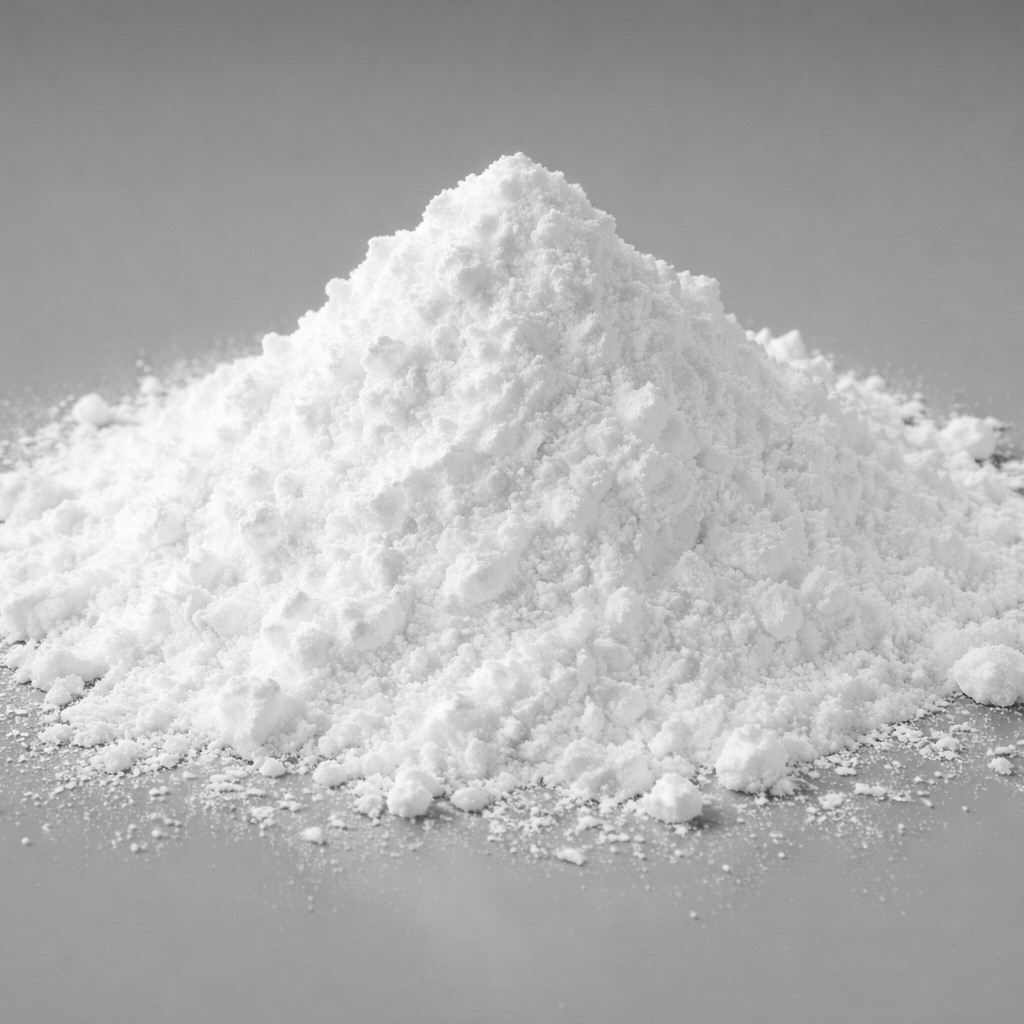
(June 1, 2026) Since 2026, the domestic silica industry has entered a deep cost game cycle. Due to significant price fluctuations in core raw materials such as sulfur and soda ash, overall production costs in the industry continue to rise, and the profit margins for small and medium-sized producers are being greatly squeezed. Against this backdrop, the industry has completely abandoned the model of relying solely on price for profit. Leading companies are precisely reducing costs through intelligent transformation, process optimization, and industry chain coupling. The profit pattern of low-end margins, high-end high profits, and strong-weak differentiation has become increasingly entrenched, and digitalization and refined control have become the core levers for companies to overcome profitability difficulties.
Sharp fluctuations in raw material prices have created rigid cost pressures for the industry. As the core raw material for silica production, sulfur prices have surged this year. In the first quarter, domestic sulfur procurement prices rose by over 147% year-on-year and nearly 45% quarter-on-quarter, directly driving up sulfuric acid production costs. Meanwhile, prices of auxiliary materials such as soda ash and sodium silicate continue to fluctuate higher, coupled with rigid increases in energy costs for coal and steam. Multiple factors have contributed to the continuous increase in overall production costs in the silica industry. Data shows that raw material costs account for over 74% of total silica production costs, and fluctuations in raw material prices directly determine corporate profitability, leaving small and medium-sized manufacturers lacking cost control capabilities in the dilemma of increasing revenue without increasing profits.
Industry profits are polarized, and the price gap between product categories continues to widen. Currently, the silica market shows distinct structural profit disparities. The market for highly homogenized ordinary precipitation products is fiercely competitive, with transparent prices and thin profits. Most small and medium-sized enterprises can only maintain low-margin operations, and some are even on the brink of break-even. In stark contrast, high-dispersion tires, high-end gas phase methods, and food-grade white carbon black have outstanding premium capabilities, with significant profit advantages. According to industry statistics, by 2026, the average net profit per ton of high-end high-disperse white carbon will be 3.8 times that of ordinary products. Leading companies' high-end product gross margins can exceed 28%, and vapor-phase high-end products will exceed 42%, becoming the industry's core source of profit.
The implementation of intelligent technological transformation has become the core barrier for cost reduction for leading enterprises. Facing continuously rising cost pressures, industry leaders no longer rely on traditional extensive production models, but are comprehensively promoting digitalization of production and refined process upgrades. Leading domestic companies have introduced artificial intelligence algorithms to optimize reactor operating parameters, precisely regulate production temperature, ratio, and duration, raising the total silicon yield to over 96.8% and significantly reducing raw material loss; At the same time, through intelligent equipment upgrades, steam consumption per ton of product is controlled below 1.8 tons, effectively reducing energy costs. In addition, the implementation of fully automated production lines has greatly reduced labor costs and production errors, significantly improved equipment operational stability, and further diluted overall production costs.
The coupling model of the industrial chain empowers the creation of differentiated cost advantages. To continuously optimize profit structures, several leading enterprises have innovatively created upstream and downstream coupled production models, relying on integrated industrial layouts in coal and silicon chemicals, recycling industrial by-products, and achieving dual benefits of cost reduction and emission reduction. Some enterprises use hydrogen produced by coal chemical to synthesize supporting raw materials, reducing dependence on purchased raw materials, directly lowering raw material procurement costs by about 30%, while effectively lowering carbon emissions. This integrated and circular production model is a core advantage that small and medium, fragmented capacity cannot replicate, further widening the cost gap among industry enterprises and accelerating the clearing of outdated capacity.
Refined product upgrades open up profit growth opportunities. In an environment of cost-driven pressure, relying solely on cost control is difficult to achieve long-term profitability, making product refinement and customized upgrades key. The company develops customized modified silica products for niche scenarios such as new energy tires, high-end daily chemicals, food sealing, and electronic insulation. Thanks to its high purity, high stability, and high adaptability, it has gained premium recognition in the downstream high-end market. End-brand brands are willing to pay higher prices for high-performance materials, effectively offsetting upstream raw material price pressures and giving high-end products strong cost pass-through capabilities.
Industry analysts believe that by 2026, the era of cost dividends in the silica industry will completely end, and the extensive production profit model will be unsustainable. Future industry competition will focus on three core dimensions: cost control, process technology, and product added value. The survival pressure for small and medium-sized enterprises will continue to increase, and industry reshuffling will accelerate. In the medium to long term, companies engaged in digital technological transformation, integrated support, and high-end product layouts will continue to occupy high profit positions, driving the industry from cost competition to value competition, achieving high-quality industrial upgrades.
http://www.siliconeoil.net