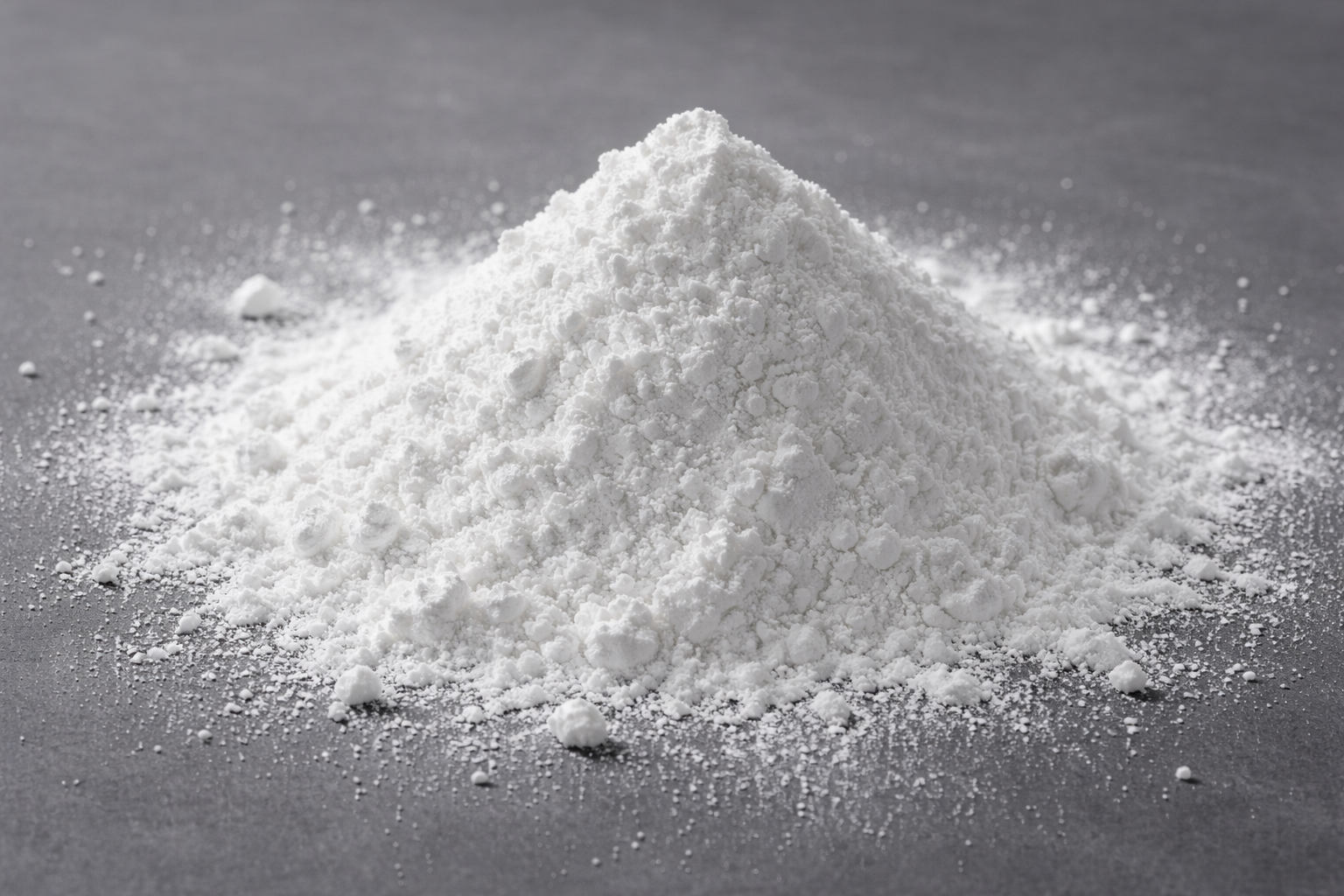
(May 30, 2026) Driven by the steady recovery of traditional industries and the rapid development of emerging industries, the domestic white carbon black market demand structure is undergoing a disruptive transformation. Compared to the steady trends of traditional markets, demand in end-use sectors such as new energy vehicles, photovoltaic new energy, lithium battery new materials, and high-end eco-friendly coatings continues to surge, driving a sharp rise in demand for high value-added specialty silica. The market's structural dividends are becoming prominent, completely changing the industry's previous development pattern of relying solely on the traditional tire market, and achieving a comprehensive shift in growth drivers.
For a long time, tire rubber filling has been the core application scenario for silica, with relatively stable market demand but slow growth. Entering the second quarter of 2026, the rapid rise of emerging downstream sectors has become the core engine driving growth in the white carbon black industry. Among them, the continuous expansion of the new energy vehicle industry has brought stable and huge market demand for highly dispersed silica. Compared to traditional fuel vehicle tires, new energy vehicle tires require higher wear resistance, aging resistance, and low rolling resistance, requiring the addition of more high-purity white carbon black to enhance product performance. As the penetration rate of new energy vehicles in China continues to rise, supporting tire production capacity is being released, and the rigid demand for silica is steadily rising.
The photovoltaic industry has become another core track driving the growth of demand for silica. Core components such as photovoltaic module sealants and photovoltaic backsheet coatings heavily rely on ultrafine fumed silica. This product can effectively improve the sealant's weather resistance, UV resistance, and high-temperature resistance, ensuring long-term stable outdoor operation of photovoltaic equipment. This year, domestic new photovoltaic installations have been concentrated in the industry, with distributed photovoltaic and photovoltaic energy storage projects flourishing everywhere, driving continued strong orders for silica used in photovoltaic adhesives. Many manufacturers have already booked orders for this category of products through the third quarter, showing a clear market shortage of supply.
At the same time, the rapid development of the lithium battery industry continues to open up growth opportunities for high-end silica. As a key raw material for lithium battery separator coatings and electrolyte additives, silica can improve the heat resistance and breathability of battery separators, enhancing lithium battery safety performance. Against the backdrop of continuous expansion in power battery and energy storage battery capacity, demand for lithium-specific modified silica has grown sharply year after year, becoming one of the fastest-growing segments in the industry and providing companies with greater profit margins.
Beyond the new energy sector, environmental protection upgrades and reforms in the domestic coatings industry continue to drive demand for white carbon substitution. With the continuous tightening of national environmental protection policies, oil-based coatings are gradually being withdrawn from the market, and water-based coatings and environmentally friendly industrial coatings have become mainstream. As a high-quality environmentally friendly matting agent and wear-resistant filler, white carbon black can effectively improve the flatness, scrub resistance, and anti-aging capabilities of coatings. It is rapidly replacing traditional fillers, with its application share in architectural coatings, wood coatings, and industrial anti-corrosion coatings continuously rising, steadily expanding the rigid demand market.
Due to the differentiation in demand in downstream market segments, the current price structure of the white carbon black market varies significantly. Ordinary precipitation method for silica is affected by fierce competition in traditional markets, with prices remaining stable and profit margins limited; High-end products such as highly dispersed modified silica and ultrafine fumed silica, thanks to scarce supply capacity and strong end-user demand, have seen prices rise steadily and sustainably higher product gross margins, becoming the core pillar of industry profitability.
From the perspective of market supply and demand, domestic production capacity for conventional white carbon black products is sufficient, but capacity for high-end specialty products suitable for new energy, photovoltaics, and lithium batteries is tight. Most leading companies have already adjusted their capacity structures, reduced production capacity for low-end products, increased R&D and production of high-end specialized silica, and precisely matched the demand of emerging downstream industries. Meanwhile, the performance of domestic high-end products continues to be optimized, import dependence has significantly decreased, and the dividends of domestic substitution are being continuously released.
Industry analysts summarized that the silica industry has moved beyond the era of homogeneous low-price competition. Niche tracks determine winners and high-end demand specifies increments as new development logic for the industry. As emerging industries such as new energy, photovoltaics, and energy storage continue to expand, the market demand for high-end specialty silica will maintain long-term high growth. The industry's structural trend will persist, and companies with mass production capabilities for high-end products will keep seizing market dividends and lead industry development.
Overall, the explosion of diversified emerging downstream demand has injected new growth momentum into the white carbon black industry. The industry's market structure, profit structure, and competitive structure are being comprehensively reshaped, greatly improving future development quality and potential.
http://www.siliconeoil.net