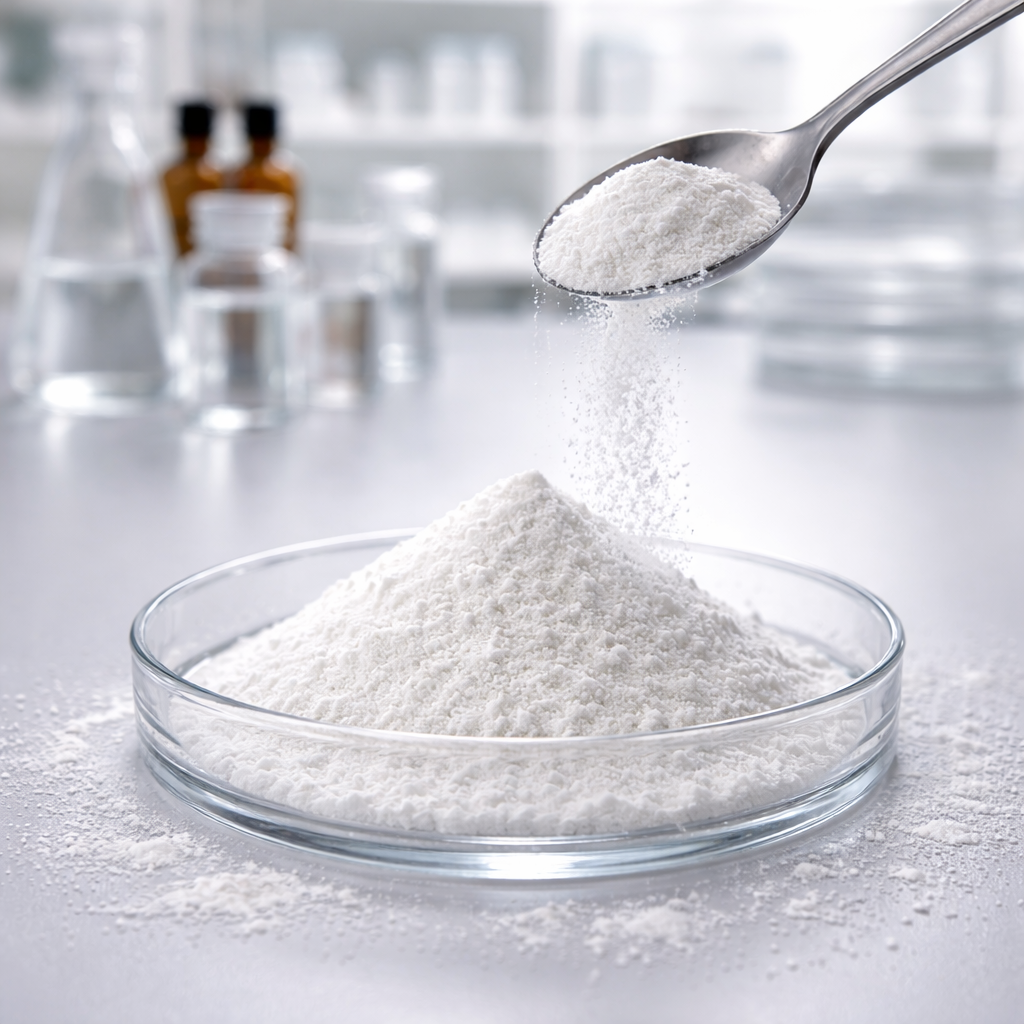
(May 30, 2025) Recently, the overall domestic white carbon black market has remained stable, with raw material costs providing solid support. Downstream tire and silicone rubber production are steady, market supply and demand are undergoing minor adjustments, ordinary precipitation product prices are stable, and high-end high-end silica using high dispersion and vapor phase methods is steadily rising on demand from the new energy industry chain, further highlighting the trend of structural upgrading in the industry. According to monitoring data from Business Society that day, on May 30, the domestic white carbon black market benchmark price was fixed at 6,100 yuan/ton, a slight drop of 1.08% compared to early May. The mainstream tax-inclusive ex-factory price for rubber-grade precipitated silica in Shandong remained in the 5,200-5,600 yuan range (including tax). Spot prices across regions had limited room for price fluctuations, and market trading was mainly driven by rigid purchases, with relatively few large-scale stockpiling.
From the raw material side, fluctuations in the upstream sodium silicate and industrial sulfuric acid markets for silica narrowed this month, while the first-class raw material market remained stable, effectively stabilizing the production cost of fumed-phase silica. Currently, the domestic market for conventional 200-meter vaporized silica is highly differentiated: low-end sources are quoted at 17,500-19,000 yuan/ton, while high-end modified vapor-phase products are priced at 25,000-28,000 yuan/ton. Due to the imposition of anti-dumping duties on imported high-end products, the market share of domestically produced high-end fumed silica continues to rise, and the process of domestic substitution is accelerating. Shandong and Jiangsu, as core production areas for silica in China, rely on comprehensive chemical supporting facilities. Overall factory operating rates remain above 75%, regular grade inventories are at reasonable levels, leading companies are scheduling production as needed, and there are currently no concentrated price reductions or inventory clearances.
On the demand side, tires remain the largest consumer of white carbon, accounting for over 60% of total domestic consumption. With the steady rise in domestic new energy vehicle production and sales, the penetration rate of green low-rolling resistance tires has been increasing year by year, and demand for high-dispersion white carbon has become the core growth driver of the industry. Data shows that the amount of white carbon added in new energy tires is 15%-20% higher than that of traditional fuel tires. By 2025, domestic consumption of highly dispersed silica in the tire sector is expected to exceed 580,000 tons. Leading companies like Silicon Chemical and Linko Technology are continuously increasing production capacity for nano-level highly dispersed products. Self-developed modified silica can reduce tire rolling resistance by 25% and improve wet braking performance by nearly 20%, with products supplied in bulk to leading tire manufacturers both domestically and internationally. Besides tires, silicone rubber, water-based coatings, and lithium battery separator coatings have become emerging growth markets. Demand for ultra-fine high-purity silica for photovoltaic sealants, 5G base station accessories, and lithium battery separator coatings has surged year after year. The annual demand growth rate in lithium-related silica sub-sectors has exceeded 25%, driving steady growth in fumed-phase silica demand.
The non-tire sector is also experiencing development dividends, with the domestic coatings industry accelerating its shift toward water-based environmental protection. Traditional carbon black fillers are gradually being replaced by white carbon black, while niche sectors such as daily chemicals, feed carriers, and pharmaceutical additives are steadily increasing volume. Relying on domestic environmental protection policies and industrial support, many regions in Shandong, Jiangsu, and Anhui have introduced subsidies for ultrafine silica technology transformation projects, with equipment investment eligible for up to 15% subsidies, and the additional deduction ratio for R&D expenses raised. This has benefited enterprises to increase investment in high-end product R&D, accelerated clearing of low-end capacity in the industry, and continuously increasing industry concentration.
In terms of imports and exports, customs data for the first quarter shows that domestic white carbon exports continued to show a positive trend, with total exports in the first three months reaching 402,000 tons, up 15.57% year-on-year. Green tire factories in Southeast Asia and Europe continue to purchase domestically produced high-disperse white carbon, with overseas orders effectively absorbing surplus domestic capacity, easing inventory pressure in the domestic market, and the average export price of high-end products remains stable with a slight increase. Correspondingly, imports of high-end specialty fumed silica continued to decline, with significant results in domestic substitution.
Industry analysts predict that the silica market may continue to maintain price stability in the short term, with no expected sharp price increases or decreases on the raw material side. Downstream tire companies will enter normalized production, and essential purchases will support spot prices. In the medium to long term, supported by dual carbon policies and the expansion of the new energy vehicle industry, highly dispersed, ultra-fine high-end white carbon black will continue to increase volume, intensify product structure differentiation, and competition for low-end ordinary precipitated white carbon black will intensify. Leading enterprises with modified technologies and stable high-end supply capabilities will continue to benefit from expanding in emerging downstream tracks, with a clear tone for high-quality industry development.
http://www.siliconeoil.net