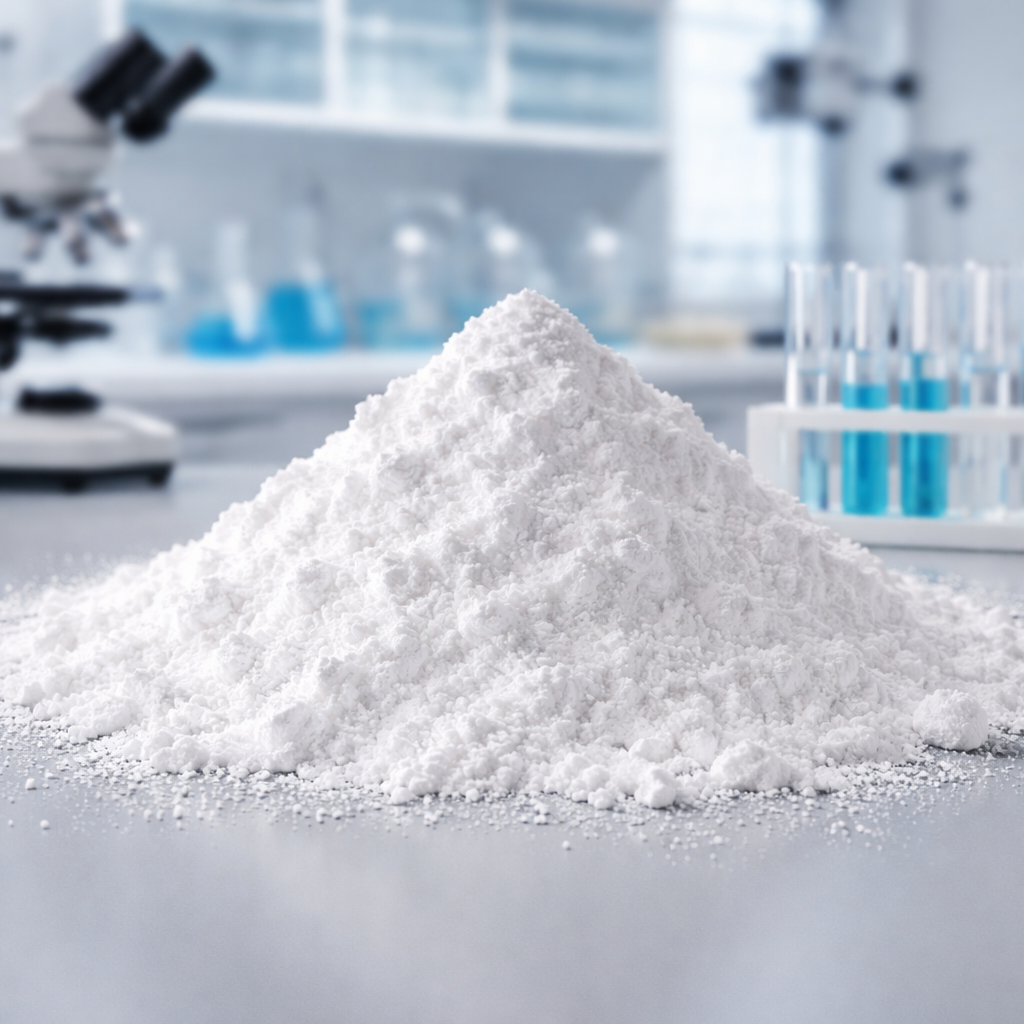
(May 29, 2026) Against the backdrop of rapid iteration in the new materials industry, technological innovation has become the core driving force for the silica industry to break through development bottlenecks and broaden application boundaries. In the second quarter of 2026, domestic industry-university-research cooperation in the silica field deepened, laboratory technologies accelerated mass production, and breakthroughs were achieved from basic preparation processes to high-end modification technologies, injecting new development momentum into the entire industry.
For a long time, China's silica industry has been characterized by a pattern of "focusing on production capacity but neglecting R&D," with weak basic research and limited high-end technology, and long-term reliance on imported products and functional modification grades for the gas phase process. To change this situation, in recent years, domestic universities, research institutes, and manufacturers have broken down barriers by establishing joint laboratories, technology R&D centers, and pilot bases. They have focused on core topics such as raw material optimization, particle size control, surface modification, and green synthesis, working together to build an integrated innovation system of "R&D — pilot testing — mass production." Major companies are also increasing R&D investment, forming professional technical teams, and shifting their R&D focus from simply improving traditional processes to developing customized functional products.
At the level of basic process optimization, continuous production technology has been widely adopted. Traditional batch production models suffer from poor batch stability, high labor costs, and high energy consumption. Through joint technological breakthroughs, the new generation of continuous reactors is gradually replacing outdated equipment. This technology can precisely control key parameters such as reaction temperature, acid-base ratio, and reaction time, significantly reducing fluctuations in core indicators like specific surface area and oil absorption value, significantly improving product consistency, while boosting production efficiency and further reducing energy consumption, helping enterprises achieve higher quality and efficiency.
Breakthroughs in surface modification technology have become key to opening into the high-end market. Ordinary silica has a hydrophilic surface and tends to agglomerate in organic systems, limiting its use in high-end rubber, adhesives, coatings, and new energy materials. Today, the industry has achieved mass production of multiple hydrophobic, oleophilic, and functional modification technologies, greatly improving the dispersibility and compatibility of modified silica black. When applied to green tires, it can further reduce rolling resistance and improve wear resistance; When used in lithium batteries and electronic sealing materials, it can enhance insulation and anti-aging effects. Various differentiated modification formulas can precisely match the personalized needs of different downstream scenarios, significantly increasing product added value.
The technological breakthrough in the field of fumed-phase silica is particularly impressive. As the segment with the highest technological barriers, the domestic market was previously dominated by overseas brands. Relying on collaborative research and development among industry, academia, and research, local companies have gradually overcome a series of core challenges such as high-temperature hydrolysis, vapor phase reactions, and powder collection, with domestic gas phase products continuously matching international benchmarks in performance. Currently, domestic fumed-phase silica has gradually entered high-end coatings, organosilicon, daily chemicals, pharmaceuticals, and other fields, steadily promoting import substitution and breaking the long-standing foreign monopoly.
The implementation of technology has also driven continuous improvement of the industry's talent system. Enterprises and universities carry out targeted talent training, offering practical courses in materials application and fine chemicals, not only supplying practical technical talent to the industry but also cultivating professionals deeply engaged in materials R&D, solidifying the talent foundation for the industry's long-term development. Meanwhile, the number of industry patents has risen year by year, with more independent intellectual property achievements and a growing influence over core technologies.
Industry insiders analyze that competition in the current silica sector has long moved beyond mere price and capacity comparisons; technological strength has become the core criterion for dividing enterprise levels. In the short term, R&D investment increases operating costs, but in the long run, it builds technological barriers that are difficult to replicate. As the integration of industry, academia, and research continues to deepen, more cutting-edge technologies will be transformed into market-oriented products, continuously driving the transformation of white carbon black from a basic filler to a high-end functional new material. In the future, companies that insist on independent innovation and hold onto technological advantages will continue to lead the market and guide the industry toward a high-quality, technology-driven development path.
http://www.siliconeoil.net