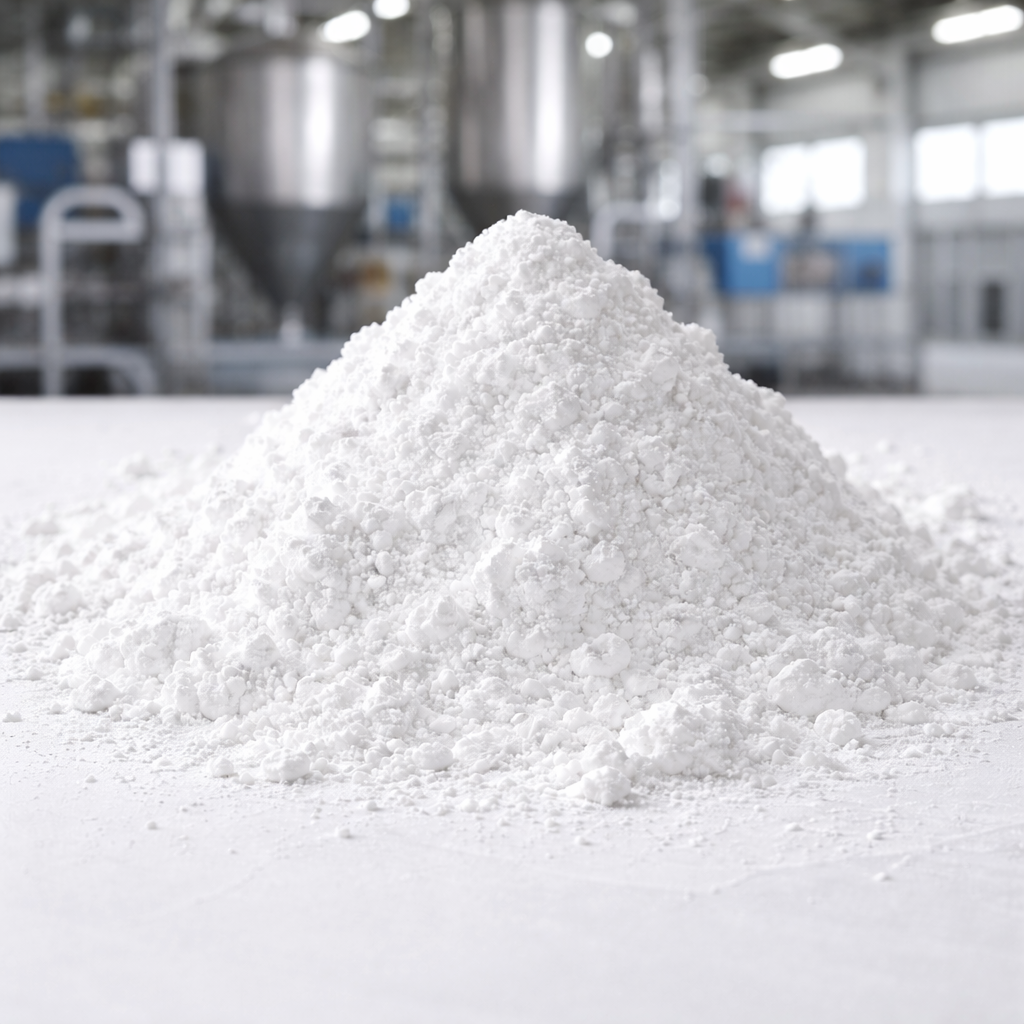
(May 29, 2026) By the end of the second quarter of 2026, the domestic white carbon black industry has entered a phase of deep competition among costs, prices, and profits. The linkage changes in raw material prices, energy costs, and logistics expenses profoundly affect the profitability of the entire industry chain. Against the backdrop of market demand differentiation, optimizing cost structures and maintaining profit margins has become the core issue for major manufacturers today.
The mainstream production process for silica mainly relies on the precipitation method, with basic chemical raw materials such as sodium silicate, sulfuric acid, and soda ash, plus coal and electricity, which constitute the main part of production costs. Recently, the domestic basic chemical raw materials market has shown range-bound fluctuations, with some regions tightening sodium silicate supply and prices slightly rising; At the same time, industrial electricity and industrial coal prices remain high, and for the energy-intensive silica industry, the comprehensive cost pressure on the production side continues to rise. For small and medium-sized manufacturers, due to small procurement volumes and weak bargaining power, the impact of rising raw material and energy prices is more direct, causing a significant rise in unit product production costs. Industry leaders, relying on large-scale centralized procurement and long-term cooperation agreements, effectively offset the risk of raw material price increases, and their cost control advantages further widen the gap between companies.
Regional cost differences have also reshaped domestic capacity layout and market pricing patterns. Energy production areas such as Inner Mongolia and Northwest China, with their cheap electricity and coal resources, naturally have cost advantages. Local silica products have more competitive ex-factory prices and products that reach multiple regional markets nationwide. Major downstream provinces such as East and South China, which are close to end markets and have convenient logistics, have high energy and raw material procurement costs, so local companies can only focus on high value-added products and rely on profits from premium brands to offset cost shortcomings. Cost differences between regions have made cross-regional circulation normalized, with low-priced goods continuously flooding into the consumer market, further intensifying price competition in the general product sector.
Facing rising cost pressures, the industry has launched a comprehensive round of cost-cutting and efficiency improvement within the industry. On the production side, companies are upgrading their equipment, promoting continuous automated production lines to reduce labor loss and material waste, and improve the overall utilization of raw materials. Many manufacturers optimize their process flows by recycling and reusing wastewater, waste heat, and by-products generated during production, which not only meets environmental protection requirements but also achieves resource circulation, reducing overall costs at the process level. In warehousing and logistics, companies integrate transportation routes and build regional warehousing centers to reduce transfer steps and thereby lower logistics expenses. A series of cost-cutting measures have become key for companies to maintain normal operations during the cost upward cycle.
Cost pressures have also accelerated proactive adjustments to product structures. In the general-purpose white carbon black market, product prices are constrained by supply and demand, making it difficult to keep up with price increases. Rising costs directly squeeze profit margins, and some low-margin production lines choose to reduce burdens, undergo maintenance, or even shut down production. Under these circumstances, more and more companies are proactively reducing production capacity for low-end products and instead increasing the production proportion of highly dispersed silica, modified specialty silica, and vapor-phase silica. These high-end products have high technical barriers and strong market bargaining power, allowing smooth price transmission, which can effectively absorb the pressure from rising costs, becoming the core pillar for stable corporate profitability.
Industry insiders analyze that in the short term, raw material and energy prices are unlikely to fall sharply, and the white carbon black industry will continue to operate at high costs. Future industry competition will no longer simply be about capacity and price; cost control capabilities, process optimization levels, and product structure layout will become the core factors determining enterprise survival and development. Companies that achieve refined cost management and adhere to a high-end approach will smoothly navigate industry cycles; Meanwhile, small businesses that rely on low prices for volume and lack technical support will face increasing operational pressure. Overall, under the pressure of costs, the silica industry will accelerate capacity clearance and structural upgrades, driving the industry toward healthier and more efficient development.
http://www.siliconeoil.net