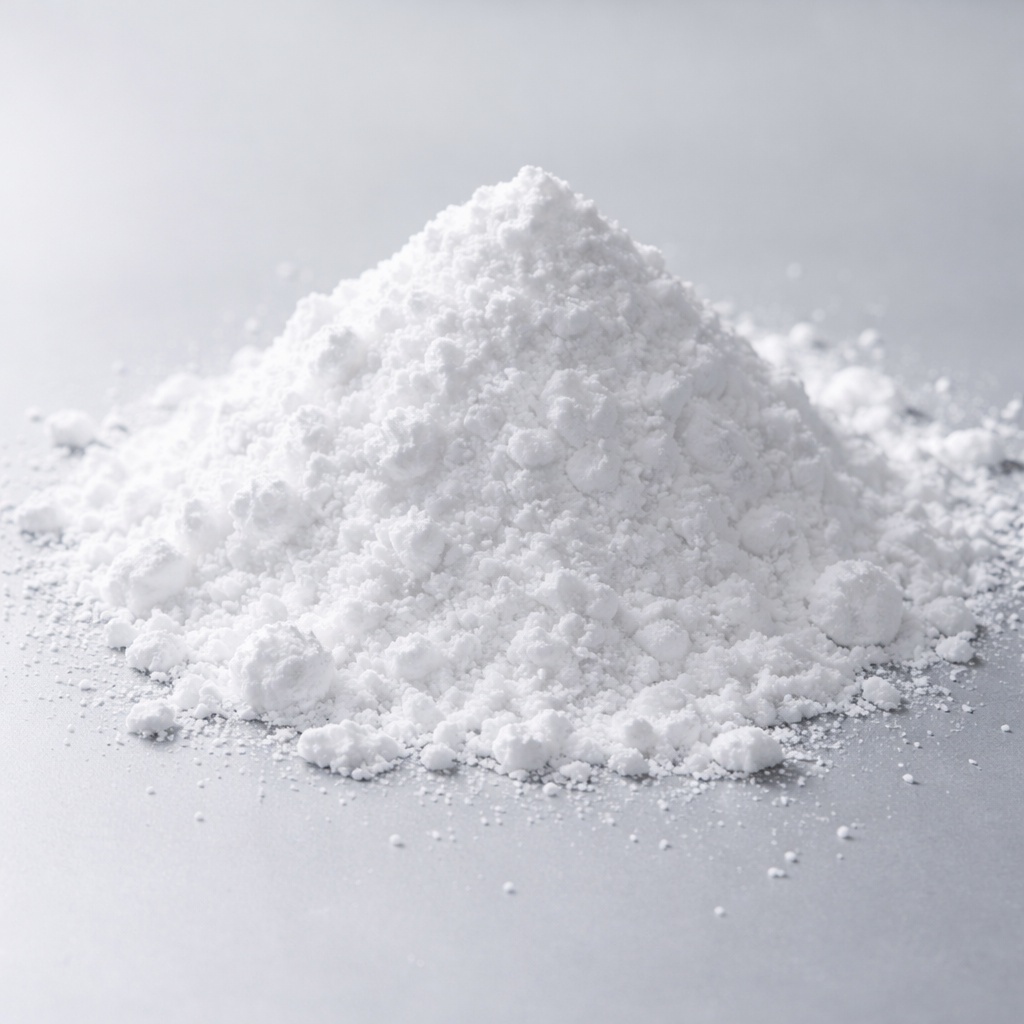
(May 29, 2026) As an important export category in China's chemical new materials sector, silica has long ranked among the top in fine chemical export rankings. In the second quarter of 2026, against the backdrop of global manufacturing recovery and the promotion of overseas green industry policies, domestic silica export trade saw steady growth. The foreign trade market became a key lever for driving industry revenue and easing domestic low-end capacity pressure, further highlighting the value of global industry layout.
According to foreign trade data, recent domestic overseas orders for silica have maintained a steady upward trend. The basic rubber, footwear materials, and daily chemical industries in Southeast Asia, the Middle East, and Latin America continue to expand, creating stable procurement demand for general-purpose precipitated silica. Compared to the fierce domestic price competition, overseas regular product order quotations are more advantageous. Many small and medium-sized manufacturers under domestic pressure have begun adjusting their sales structures and increasing efforts to expand foreign trade channels. Meanwhile, market entry standards in Europe and the US continue to rise. Local companies in tires, high-end coatings, and new energy prioritize purchasing high-purity, high-dispersion, low-carbon, environmentally friendly white carbon black, which also drives continuous optimization of domestic export product structures. The proportion of low-end sources is gradually decreasing, while the share of high value-added products in export continues to rise.
The differentiated characteristics of overseas demand have also forced domestic manufacturers to adjust their product R&D and production directions. Orders targeting developing countries, focusing on cost-effectiveness and basic performance, focusing on mature and stable general-purpose grades; In developed markets such as Europe, America, Japan, and South Korea, in addition to strict quality inspection standards, they also implement traceability and control over environmental indicators and carbon footprints during production. This requires export companies not only to control product quality, but also to complete green upgrades of production lines and improve environmental compliance systems. Currently, leading domestic export companies have taken the lead in completing carbon footprint certification and international environmental qualification certification, leveraging compliance advantages to seize the high-end overseas market, significantly enhancing product premium capabilities.
In terms of trade patterns, silica export channels are becoming increasingly diversified. Traditional main shipping routes have stable cargo volumes, while new models such as cross-border e-commerce, overseas agency, and direct supply to overseas factories are gradually becoming popular, shortening the distribution process and further increasing profit margins for enterprises. At the same time, leveraging the advantages of Belt and Road economic and trade cooperation, chemical infrastructure projects in countries along the route have been launched, driving up demand for reinforced fillers and agro-organic silicon supporting silica, opening up new growth points for exports. However, the industry also faces certain challenges. Some overseas domestic production capacities are gradually coming online, and combined with fluctuations in international logistics costs and regional trade barriers, market competition has expanded from purely product competition to comprehensive battles in supply chain, brand, and comprehensive services.
In contrast, the interlocking relationship between the domestic market and the foreign trade market is becoming a key lever for balancing supply and demand in the industry. Domestic general-grade silica production capacity is enormous, and the current situation of oversupply in some regions is difficult to change in the short term, while overseas markets have effectively absorbed some surplus capacity, easing downward pressure on domestic prices. For companies with technological advantages, both domestic and international markets are working simultaneously: domestic sales focus on high-tech fields such as new energy, photovoltaics, and pharmaceuticals, while exports focus on high-end markets in Europe and America, forming a dual-track profit model and greatly enhancing risk resistance.
Industry foreign trade analysts point out that, based on global industry trends, the export price of white carbon black is generally positive in the second half of the year. Global green tire retrofitting and new energy supporting industries will continue to release incremental growth, and overseas market demand for high-end specialty silica will further expand. In the future, domestic white carbon black companies wishing to deepen their presence overseas cannot rely solely on price advantages; they must continuously strengthen technical strength, compliance capabilities, and brand building, and differentiate their layout according to regional market demands. As domestic products gain increasing international recognition, the outward-oriented development path of the silica industry will continue to broaden, becoming an important driving force for improving quality and efficiency across the entire industry.