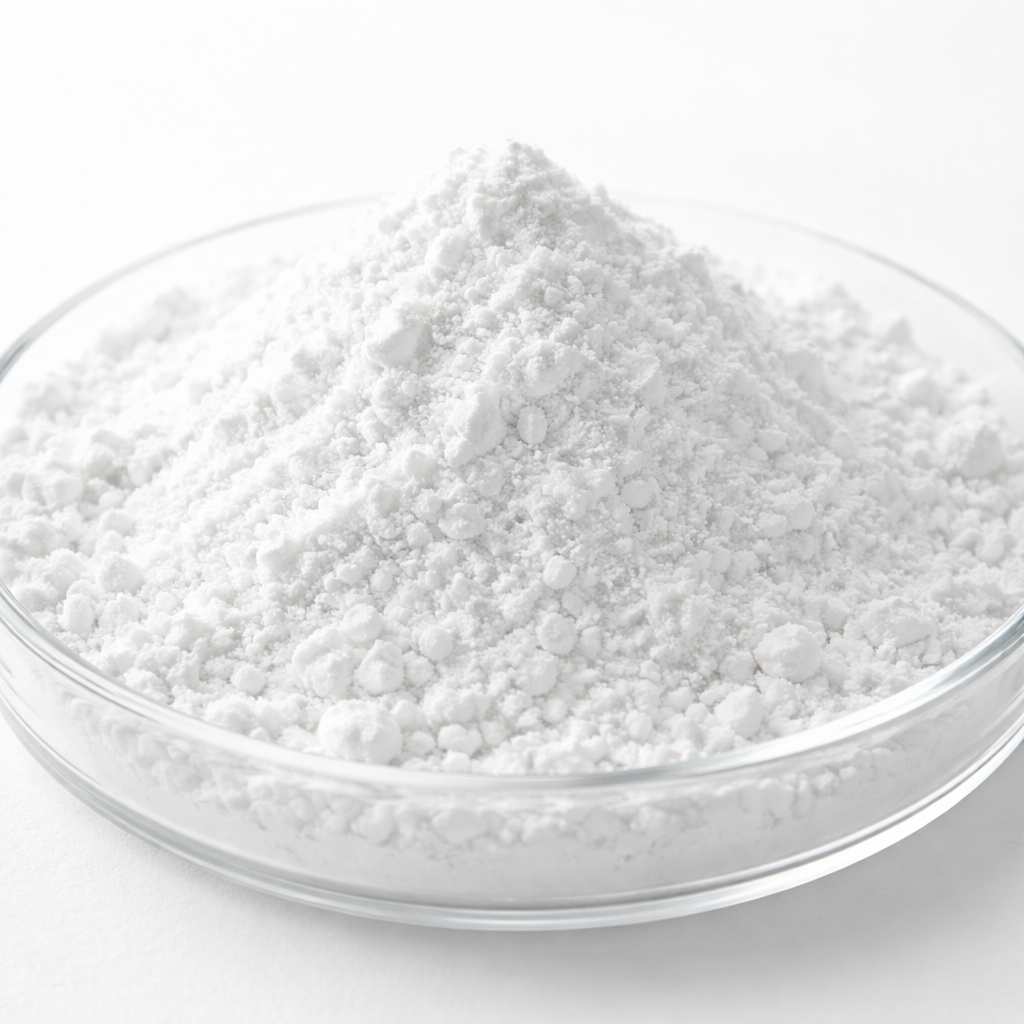
(May 29, 2026) Competition in the new chemical materials sector is becoming increasingly fierce. As a core raw material for reinforcement, thickening, and sediment resistance, silica black spans dozens of industries including rubber, new energy, coatings, daily chemicals, and agriculture, with its development trends attracting significant market attention. As we enter the end of the second quarter of 2026, the domestic silica industry is no longer simply competing on capacity scale. Technology R&D, product customization, and scenario adaptation have become the core of enterprise competition. The iteration of new and old production capacities and the rise of niche markets are rewriting the original competitive landscape of the industry.
From the perspective of end-user application scenarios, changes in market demand structure are driving rapid upgrades for silica products. Traditional rubber products and consumer footwear materials still rely mainly on conventional precipitation silica black, with ample market supply and continuous compression of product profit margins, increasing survival pressure for small and medium-sized manufacturers. Driven by both policy and market support, the green tire industry continues to expand, with low rolling resistance and high wear resistance becoming mandatory indicators for the tire industry, directly driving steady demand for highly dispersed silica. These products have stringent requirements for particle size, specific surface area, and dispersion performance, making them irreplaceable by generic products, and they also help companies with mature processes secure stable orders.
Beyond traditional core businesses, emerging application markets have become the core drivers of white carbon growth and the biggest highlight of the industry. The new energy industry chain continues to thrive, with demand for hydrophobic modified silica and nano-level specialty silica surging in lithium battery separators, sealants, and thermal conductive materials. With their excellent insulation, reinforcement, and weather resistance, these products have become indispensable auxiliary materials in new energy manufacturing, with related orders maintaining rapid growth over the past year. Meanwhile, photovoltaic packaging materials, electronic adhesives, high-end coatings, and beauty and daily chemicals continue to see demand for high-end silica procurement, with high-end products overall in short supply.
On the production side, environmental protection and energy-saving policies continue to be implemented, driving a round of capacity reshuffling in the industry. The previously extensive production model is gradually being phased out of the market, with many regions strictly controlling energy consumption and pollutant emissions. A number of small production lines with outdated processes and substandard environmental standards are being rapidly cleared out. Leading companies are increasing investment in green production lines, leveraging new processes such as waste heat utilization, raw material recycling, and low-carbon preparation to build energy-saving and environmentally friendly production lines. This not only reduces production costs but also aligns with the dual carbon development requirements. Currently, mainstream domestic production capacity is gradually concentrating in large chemical parks and regions with well-equipped energy facilities, steadily increasing industry concentration and increasingly standardized industrial development.
The process of technological autonomy is also accelerating. For a long time, some high-end fumed-phase silica and specialized modified silica have relied on imports. Now, many domestic companies are continuously tackling core preparation technologies, achieving breakthroughs in key areas such as surface modification, particle size control, and continuous production. The performance of domestic high-end products is gradually benchmarking against international standards, and the pace of import substitution is clearly accelerating. Many companies have abandoned the "winning by volume" mindset and shifted to deepening their focus on niche fields, customizing exclusive formula products for different downstream customers, and transforming from single raw material suppliers to integrated material solution service providers.
Looking ahead to the industry trend in the second half of the year, the structural differentiation in the silica market will continue. Competition in the general product market remains fierce, and there is little room for significant price increases; Specialty white carbon black, adapted for new energy, high-end manufacturing, and green building materials, will continue to hold market influence due to its high added value. Industry insiders analyze that the logic of future industry development has completely changed; simply expanding production is no longer the way forward. Only companies with core technologies, deep cultivation of niche tracks, and customized service capabilities can firmly establish themselves in the market. As emerging downstream industries continue to develop, the application boundaries of silica will keep expanding, and the entire industry will fully enter a new stage of high-quality, high-technology, and high value-added development.