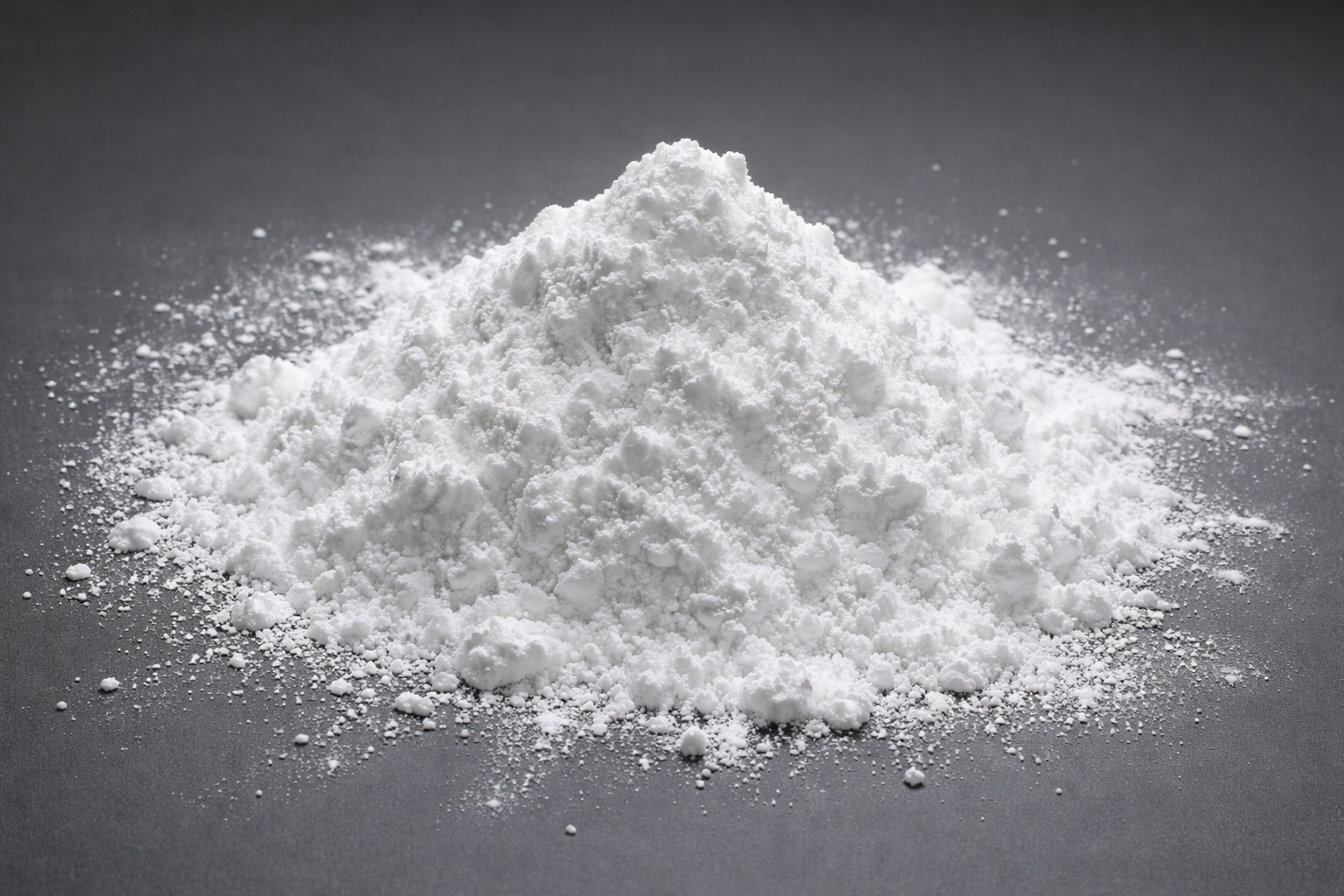
(May 27, 2026) The domestic silica industry has moved beyond the era of extensive capacity competition. Against the backdrop of saturation in the general-purpose product market and fierce price competition, more and more manufacturers are breaking away from traditional rubber reinforcement material positioning to focus on specialty niche tracks such as agricultural additives, beauty and skincare, high-end coatings, and specialty sealing materials. By developing specialized and functional silica products, new growth points are being explored, making the trend of industry differentiation increasingly evident.
For a long time, precipitation silica has mainly served the tires and rubber products sectors, while vapor-phase silica is concentrated in the silicone rubber and construction adhesive markets, with severe product homogenization. Most companies are competing within the same track, continuously squeezing profit margins. As downstream industries continue to become more refined, the demand for customized functional powder materials across various sectors is rapidly being released, opening up a brand-new development path for the silica industry.
In agriculture, hydrophobic silica can be used as agricultural silicone additives and pesticide powders, serving to prevent caking and enhance the spread and adhesion of chemical solutions, effectively improving pesticide utilization and aligning with the development direction of modern agricultural green plant protection; In the daily chemical beauty sector, high-purity, low-absorption white carbon is widely used in loose powders, primers, and sunscreen products. Thanks to its smooth, oil-controlling, and long-lasting properties, it has become an indispensable ingredient in makeup formulas. In leather processing and ink coating industries, ultra-fine silica can improve coating gloss and enhance wear and scratch resistance, meeting the production needs of high-end leather goods and environmentally friendly water-based coatings.
Compared to the traditional tire market, these emerging segments have stricter requirements for product indicators and lower price sensitivity, resulting in product added value far exceeding that of general-purpose silica. Many domestic companies have proactively adjusted their R&D and production directions, customizing specialized formulas for different industries, strictly controlling key indicators such as particle size distribution, specific surface area, oil absorption, and hydrophobicity, creating specialty products suited to niche scenarios and effectively avoiding price wars in low-end markets.
At the same time, demand for specialized white carbon black in the foreign trade market continues to rise. Agricultural planting and daily chemical industries in Southeast Asia, the Middle East, South America, and other regions are developing rapidly, with the procurement volume of agricultural additives and cosmetic raw material white carbon black increasing year by year. With advantages such as flexible customization, stable supply, and high cost-effectiveness, domestic products are gradually opening up distinctive overseas markets and becoming a new pillar for corporate revenue growth.
Industry insiders say that the core competitiveness of the future silica industry will no longer be production capacity, but the ability to deeply cultivate technology in niche fields. Only by precisely meeting niche, high-end, and specialized downstream needs, continuously optimizing product performance, and creating exclusive solutions can companies secure a foothold in fierce market competition. As more companies enter specialized tracks, China's white carbon black industry will form a new pattern of coordinated development between general products and high-end specialized products, driving the industry as a whole steadily upgrading toward refinement and high added value.
http://www.siliconeoil.net