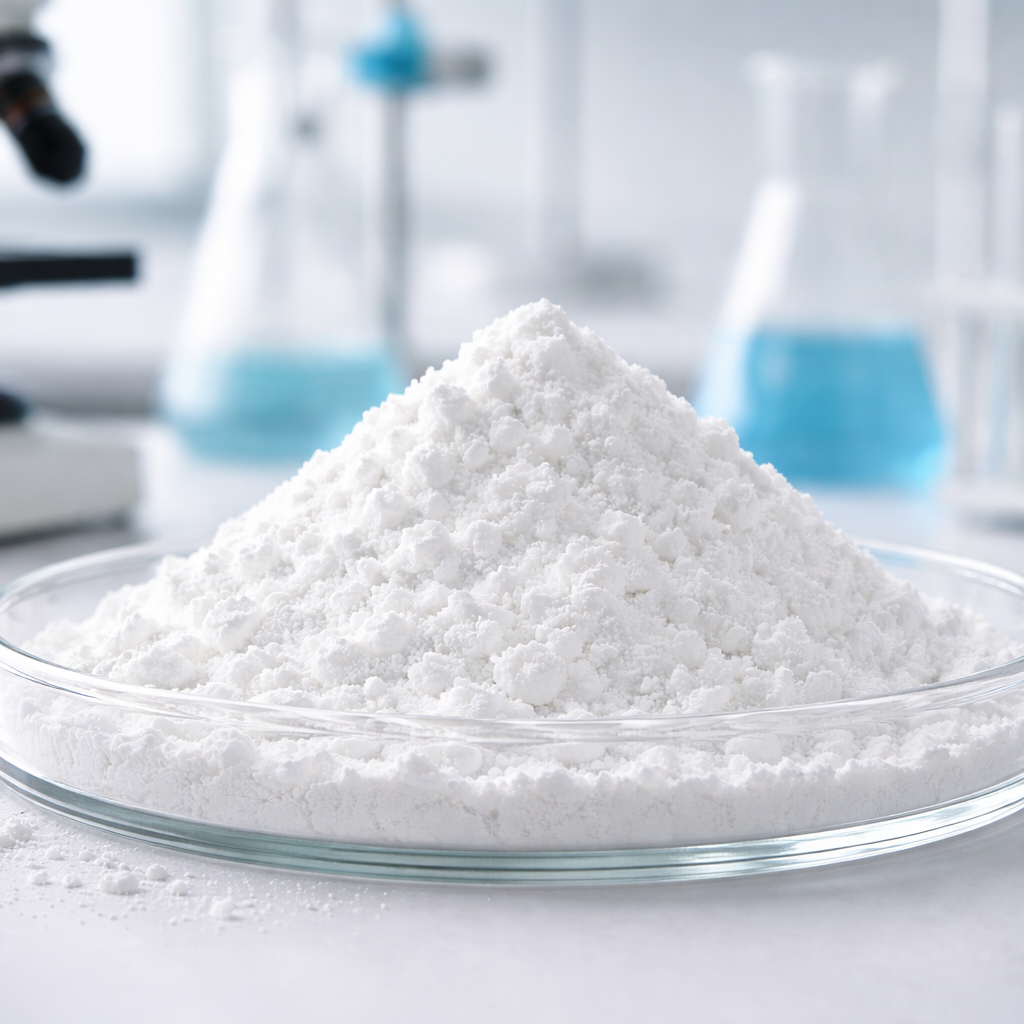
(May 27, 2026) Recently, the domestic white carbon black market has been affected by multiple factors such as upstream raw material price fluctuations, rising energy costs, and differentiated downstream demand, increasing overall operational pressure on the industry. The market landscape is undergoing a new round of structural adjustment. Against the backdrop of cost pressure, environmental constraints, and intensified market competition, the survival space for small and medium-sized capacity continues to narrow. Leading companies are further consolidating their positions through cost control and product differentiation, and the industry is accelerating toward high-quality and intensive development.
The production of silica mainly relies on basic raw materials such as sodium silicate, sulfuric acid, and industrial salts. At the same time, the production process consumes a lot of energy, with coal and electricity accounting for a prominent proportion of costs. Since the beginning of this year, the prices of basic chemical raw materials have fluctuated in stages, combined with dual control of energy consumption and electricity price adjustments across regions, directly driving up the production costs of white carbon companies. Among them, precipitation process silica companies were the most affected. Some small and medium-sized manufacturers had weak bargaining power on raw material procurement and limited energy consumption control, causing their profit margins to be continuously squeezed, reducing their willingness to operate and accelerating the pace of low-end capacity clearing in the industry.
From the downstream demand side, the market shows clear divergence. In the traditional tire rubber sector, due to the rhythm of automakers' production and sales and fluctuations in foreign trade orders, overall demand remains stable but growth slows, making it highly sensitive to general-purpose silica prices, making negotiations difficult; Meanwhile, emerging fields such as new energy adhesives, high-end daily chemicals, electronic materials, and photovoltaic supporting materials have strong demand for high-purity, low-impurity, and highly dispersible high-end silica. Downstream customers value product stability more and have a higher tolerance for price fluctuations, making it an important support for corporate profits.
In terms of supply and demand structure, the market for general-purpose precipitated white carbon black is relatively sufficient, with fierce competition among homogenized products and prices under pressure; However, there is still a supply gap for high-end fumed phase silica and customized functional silica, leaving ample room for import substitution. Many companies have proactively adjusted their product structures, reduced output of low-margin general products, and increased R&D and production of high-end products such as hydrophobic silica, specialized reinforced silica, and ultrafine powders to offset operational pressure caused by rising costs.
On the export side, overseas markets also face changes in raw material and logistics costs. International buyers are more rational in procurement, prioritizing domestic products that are stable in quality, compliant, and offer excellent value for money. Leading domestic companies, leveraging their large-scale production advantages, are competitive in cost control, delivery cycles, and after-sales customization services. Foreign trade orders remain stable, effectively hedged against domestic market demand fluctuations.
Industry analysts believe that in the short term, cost pressures will continue to test overall industry profitability, and market reshuffling will intensify further; In the medium to long term, relying solely on capacity expansion and low-price competition is no longer sustainable. The core path for the future of the silica industry lies in optimizing production processes, reducing unit energy consumption, deepening niche segments, and creating differentiated products. As backward capacity continues to exit and leading enterprises become more prominent, industry concentration will further increase, overall development quality will steadily improve, and China's silica industry will shift from scale expansion to a new stage prioritizing efficiency.