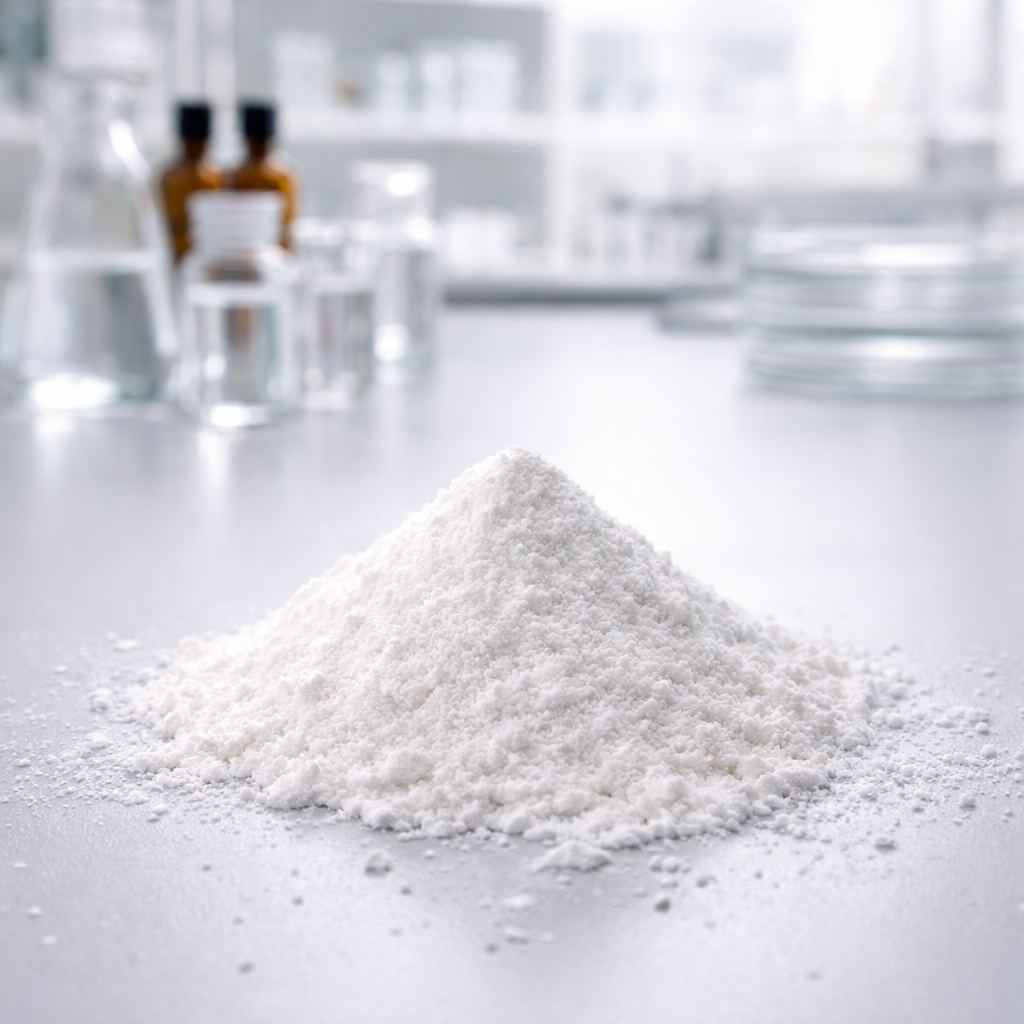
(May 7, 2026) Since the beginning of 2026, the marketing model of the chemical raw material industry is undergoing subversive changes, as the core powder raw materials in the fields of silicone, coatings, rubber and plastics, and daily chemicals, silica, which has officially entered a new era of marketing with new media drainage and precise terminal docking, and the growth of the traditional offline distribution and distribution model is sluggish, and new media channels such as Douyin, short video, and industry live broadcast have become a new core position for silica enterprises to expand customers, shape brands, and do foreign trade.
For a long time in the past, the silica industry relied on the old model of offline salesmen running the market and regional dealers distributing layer by layer, with information blockage, opaque prices, and serious intermediate price markups, making it difficult for manufacturers to directly reach terminal silicone factories, coating factories, daily chemical plants, and rubber product enterprises, and it is difficult for end customers to quickly find special silica that adapts to their own formulas.
Since the beginning of this year, a large number of silica manufacturers have laid out short video new media tracks, with product real shooting, performance comparison, application scenario demonstration, and pain point solutions as the core content, facing customers in the precision industry. By showing the real-life effects of silica matting, thickening, reinforcement, hydrophobic anti-sedimentation, powder fluidity, etc., the practical application differences of different grades in silicone rubber, water-based coatings, cosmetics, and sealants are dismantled, and the industry information barriers are broken.
Compared with traditional offline promotion, the advantages of new media channels are particularly prominent: lower customer acquisition costs and wider coverage, not only covering terminal manufacturers in various provinces and cities in China, but also reaching overseas buyers in Southeast Asia, the Middle East, Europe and the United States, and realizing two-way drainage of domestic retail and foreign trade orders; At the same time, it can intuitively display the factory's strength, production process, and quality inspection process, quickly establish customer trust, eliminate multi-layer dealer links, realize the factory's direct supply terminal, and benefit both upstream and downstream ends.
The industry channel pattern has been significantly differentiated: small and medium-sized silica manufacturers that stick to traditional offline distribution and are unwilling to embrace new media have lost customers year by year and their market share has been squeezed; Enterprises that have laid out short video content marketing in advance and deeply cultivated the vertical chemical track have accurately matched the customized needs of customers, and the order volume and brand awareness have risen simultaneously, and they have embarked on a differentiated development route.
At the same time, downstream procurement habits are also quietly changing. More and more people in charge of coating, silicone, beauty and daily chemical procurement are accustomed to searching for raw material parameters, application cases, and manufacturer strength through short video platforms, preliminary online communication and selection, and then offline on-site factory inspection and cooperation.
Industry insiders predict that in 2026 and beyond, the marketing of the silica industry will no longer be about contacts and offline outlets, but about content, professionalism, and online customer acquisition ability. New media will become a necessary track for silica enterprise branding, terminal customer expansion, and foreign trade going overseas, and the traditional old distribution model will gradually weaken, and online vertical precision marketing will dominate the new pattern of industry channels.
http://www.siliconeoil.net