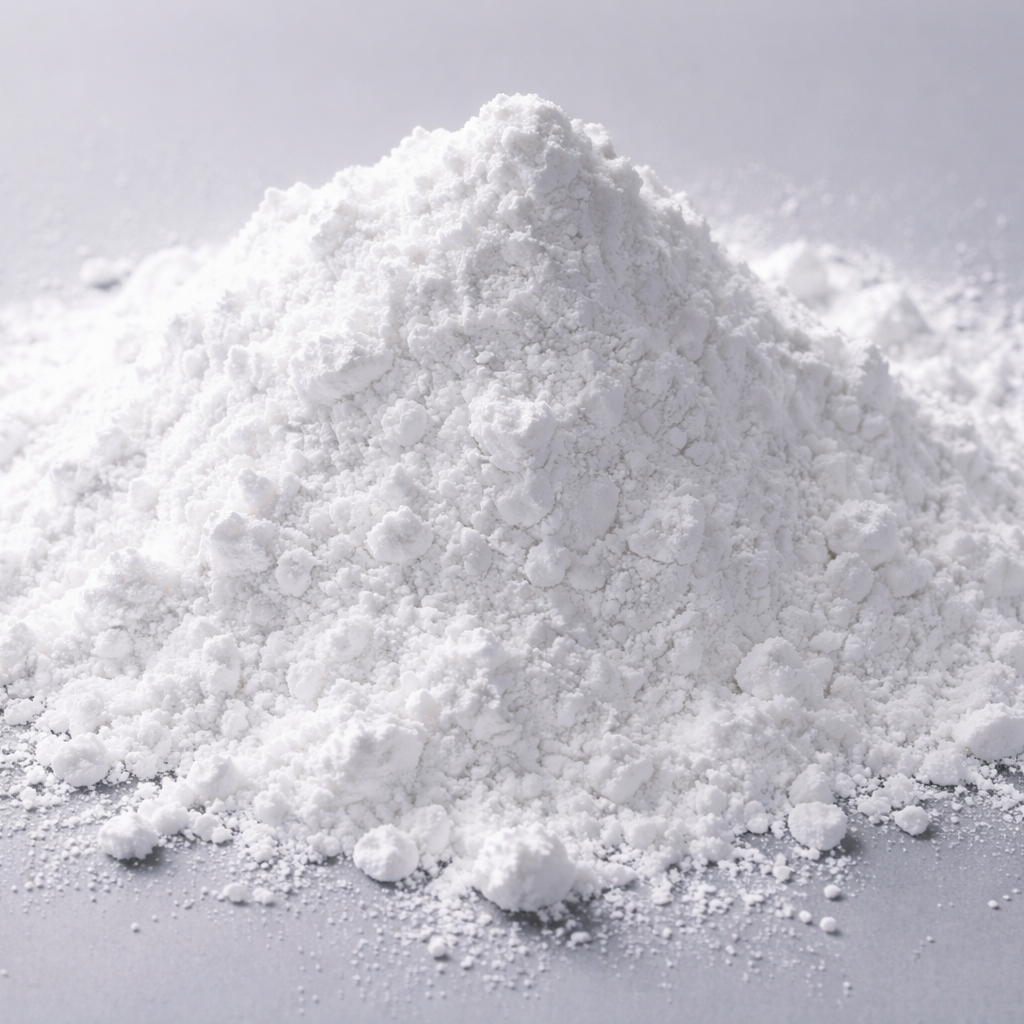
(May 7, 2026) Entering May 2026, with the implementation of domestic zero-carbon factory construction policies, dual control of energy consumption and the upgrading of environmental protection emission standards, the silica industry has officially entered a new development cycle of green and low-carbon, solid waste recycling, and process innovation. In the past, the model of relying on high energy consumption and extensive production of traditional acidification processes was unsustainable, and the industry is completing a deep industrial reshuffle and green upgrading driven by policy reversal and technological iteration.
A number of ministries and commissions have recently jointly issued detailed guidelines for the low-carbon transformation of the manufacturing industry, including silica in the key control category of high energy consumption, strictly controlling the production capacity of new traditional precipitation methods, and accelerating the elimination of old production lines that do not meet environmental protection standards and exceed energy consumption standards. Industrial parks in many places have clearly restricted the approval of ordinary sulfuric acid silica projects, encouraging enterprises to turn to new processes such as low-carbon carbonization and solid waste resource preparation, and reshaping the industry production pattern from the source.
The production process has ushered in a revolutionary breakthrough, and the carbon dioxide carbonization method has gradually replaced the traditional strong acid process and has become the mainstream direction of the industry's green transformation. Compared with traditional production methods, the new low-carbon process can greatly reduce wastewater and exhaust gas emissions, and the carbon emissions per ton of products can be reduced by more than 25%, while the purity and dispersion of products are more suitable for high-end downstream needs. In addition, the technology of extracting and preparing silica from solid wastes such as rice husk ash, coal gangue, and industrial waste silica slag has been industrialized, which not only digests agricultural, forestry and industrial solid waste, revitalizes idle resources, but also greatly reduces the cost of raw material procurement, and embarks on a circular economy path of turning waste into treasure.
In terms of production capacity pattern, the trend of industry differentiation is becoming more and more obvious. Small and medium-sized workshop-style factories face production shutdown and rectification or withdrawal from the market due to insufficient investment in environmental protection and backward technology; Relying on its capital and technical advantages, leading enterprises have laid out new low-carbon production lines, built green intelligent production workshops, and taken the lead in building an ESG green production system through automated control, green power substitution, carbon footprint certification, etc., to seize the right to speak in the high-end green product market.
The downstream market has also begun to form a green procurement preference, with tire giants, high-end coatings, daily chemical beauty, electronic seals and other terminal companies gradually incorporating carbon footprint and environmental protection production qualifications into supplier access standards, low-carbon and environmentally friendly silica has obtained a higher product premium, while the market space for high-energy-consuming ordinary models continues to narrow. Green attributes have become the core plus of silica product bidding, foreign trade exports, and long-term cooperation.
According to the analysis of industry professionals, 2026 will be a watershed in the low-carbon transformation of the silica industry. In the future, industry competition will no longer simply compete for production capacity and price, but will focus on the three core competencies of low-carbon technology, solid waste utilization, and green quality control. Only enterprises that closely follow the dual carbon policy, complete process upgrades, and lay out circular economy can stand firm in the market; The production capacity of adhering to the traditional high-energy-consuming model will eventually be cleared by policies and markets, and the industry as a whole is steadily moving towards the high-quality direction of low energy consumption, low emissions, high added value and circularity.