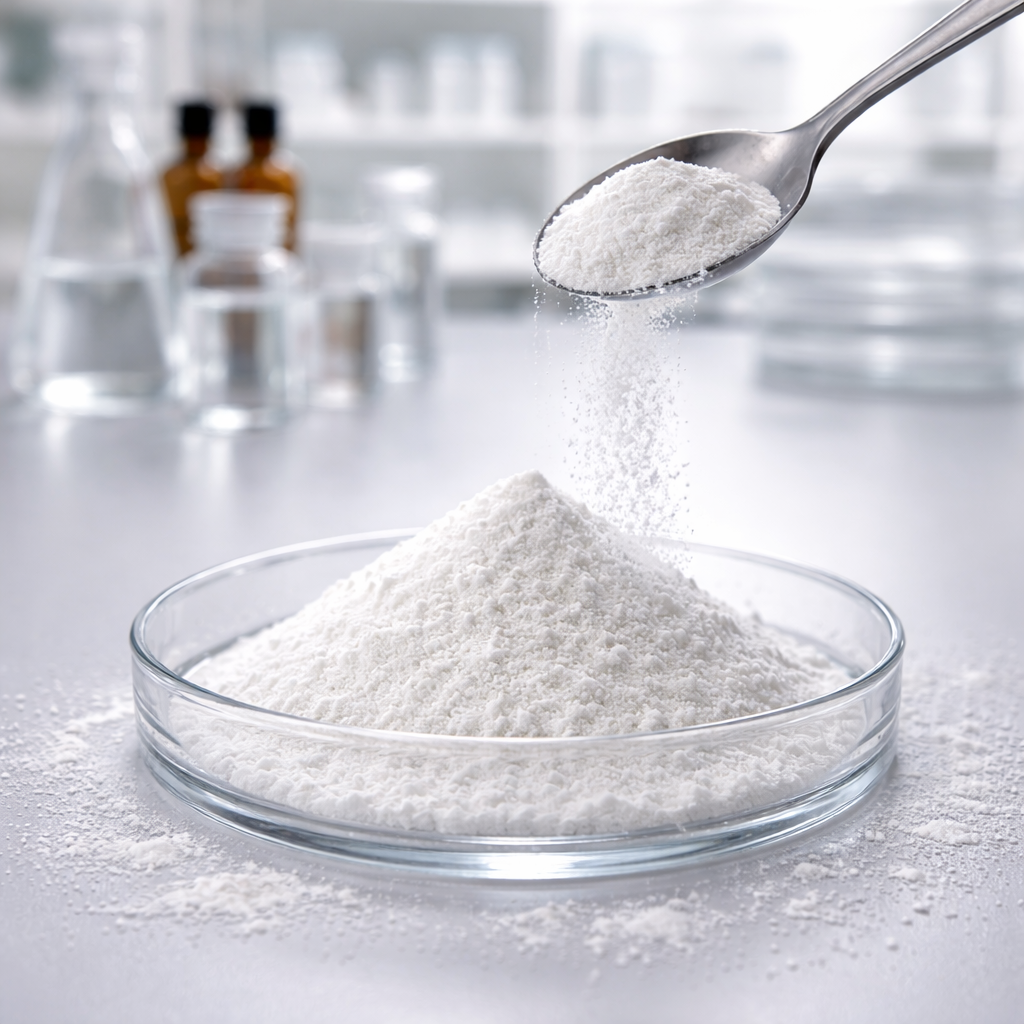
(May 7, 2026) Entering the second quarter of 2026, China's silica (hydrated silica) industry is undergoing triple changes, including the pushback from the new environmental protection policy, downstream structural upgrades, and global market restructuring. The latest industry trends show that low-carbon production capacity has been implemented, import substitution of high-end products has accelerated, and foreign trade exports have grown strongly. The industry has officially bid farewell to the era of extensive mass production and entered a new development stage of green compliance, fine customization, and global competition.
Environmental protection is tightened, production capacity is upgraded, and industry concentration continues to increase
The comprehensive tightening of dual control policies on environmental protection and energy consumption has become the core driving force for industry reshuffle. Starting from the second quarter of 2026, the exhaust gas and wastewater emission standards of domestic silica companies will be further improved, and the traditional high-energy-consuming, high-pollution old production lines will be closed down and withdrawn at an accelerated pace. Data shows that as of the end of 2025, about 35% of domestic small and medium-sized enterprises have failed to meet energy efficiency benchmarks, and 2026 will become a critical year for the elimination of backward production capacity.
Production capacity construction shows the characteristics of “low carbonization and large-scale”. In early April, Changle County, Weifang, Shandong Province announced a 200,000 tons/year carbon dioxide acidification silica project (Phase I). Zhongke Hydrogen (Shandong) New Energy Co., Ltd. invested 1.02 billion yuan in construction and will be promoted in three phases. The first phase investment is 360 million yuan, covering an area of 101 acres, and two new production lines will be built. After reaching capacity, the annual output of silica will be 60,000 tons. It is expected that the entire line will be completed and put into production in February 2027. This project adopts low-carbon technology and utilizes carbon dioxide resources, which is in line with the "double carbon" goal and provides a benchmark for green production in the industry.
Industry concentration continues to focus on leaders, with CR10 rising from 28% in 2021 to 42% in 2026. Leading companies such as Quecheng and Jinneng Technology have steadily increased their market share by virtue of their complete industrial chain and technological advantages, accelerated the liquidation of small and medium-sized enterprises, and further optimized the industrial structure.
Downstream demand has changed dramatically, and the high-end market has ushered in import substitution
The downstream demand structure for silica has undergone fundamental changes. The growth rate of the traditional tire rubber field has slowed down. New energy rubber compounds, electronic seals, high-end coatings, pharmaceutical and food excipients and other emerging fields have emerged rapidly, forcing companies to adjust their product layout.
Coatings industry: The transformation to water-based and solvent-free coatings is accelerating. As an environmentally friendly functional powder, silica has a surge in demand to replace traditional fillers. In 2025, the domestic industrial silica market will exceed 8 billion yuan, with demand in the coatings and rubber and plastics fields accounting for more than 70%.
High-end manufacturing: Demand for electronic-grade vapor-phase silica and medical and food-grade silica is growing rapidly. Previously, the high-end market had been monopolized by European, American, Japanese and Korean companies for a long time. In the second quarter of 2026, domestic modified silica and high-purity silica achieved technological breakthroughs, and the self-sufficiency rate of high-end products increased to 48%, and the import substitution process accelerated.
Green tires: Global "green tire" regulations have promoted the application proportion of silica in the tire field. In 2026, the global demand for silica for green tires will account for more than 50%, driving the demand for high-performance precipitation silica to grow.
Foreign trade exports explode, and the voice of the global market increases
In the second quarter of 2026, China's silica foreign trade exports ushered in explosive growth, changing the past pattern of export-dominated low-end general-purpose products. Export orders for modified silica, gas phase high-purity silica, and functional nano silica have increased significantly.
The export market structure has been optimized, shifting from traditional Southeast Asia to emerging markets such as the Middle East, Africa, and South America. Exports to the EU increased slightly by 0.8% due to the impact of the Carbon Border Adjustment Mechanism (CBAM). Data shows that from January to April 2026, domestic silica exports increased by 18.7% year-on-year, of which high-end product exports accounted for 35%, an increase of 12 percentage points from the full year of 2025, and its voice in the global new materials market continues to increase.
The global market is expanding steadily. QYResearch data shows that the global silica market will be approximately US$6.413 billion in 2025 and is expected to reach US$8.429 billion in 2032, with a compound growth rate of 4.0% from 2026 to 2032. As the world's largest producer and exporter, China is leaping from a "capacity power" to a "technology power".
Technological innovation focuses on low carbon and high performance, and policy support helps upgrades
Technological innovation has become the core competitiveness of the industry. In 2026, research and development will focus on the three major directions of low-carbon synthesis technology, surface modification technology, and nanoparticle size control. The Shandong Weifang project adopts the carbon dioxide acidification method and patented technology for preparing silica from rice husk ash to achieve solid waste recycling and reduce carbon emissions by more than 30%.
The policy level continues to increase support. The "14th Five-Year Plan for the Development of New Materials Industry" and the "Action Plan for the High-Quality Development of Inorganic Silicon Materials" clearly state that by 2026, the self-sufficiency rate of high-end silica will increase to 50% and the energy consumption per unit output value will be reduced by 20%. The implementation of policies such as tax incentives and green credit has assisted enterprises in technological transformation and high-end production capacity construction.
Future outlook
In 2026, the first year of the “15th Five-Year Plan”, the silica industry will continue to deepen green transformation, eliminate backward production capacity, and expand low-carbon high-end production capacity. Demand in emerging downstream areas will maintain a growth rate of more than 20%, driving the industry to develop toward refinement, specialization, and customization. In terms of foreign trade exports, as the competitiveness of high-end products increases, the scale of exports will continue to expand. It is expected that the annual export volume in 2026 will increase by 15%-20% year-on-year, and the global market share will further increase.
http://www.siliconeoil.net