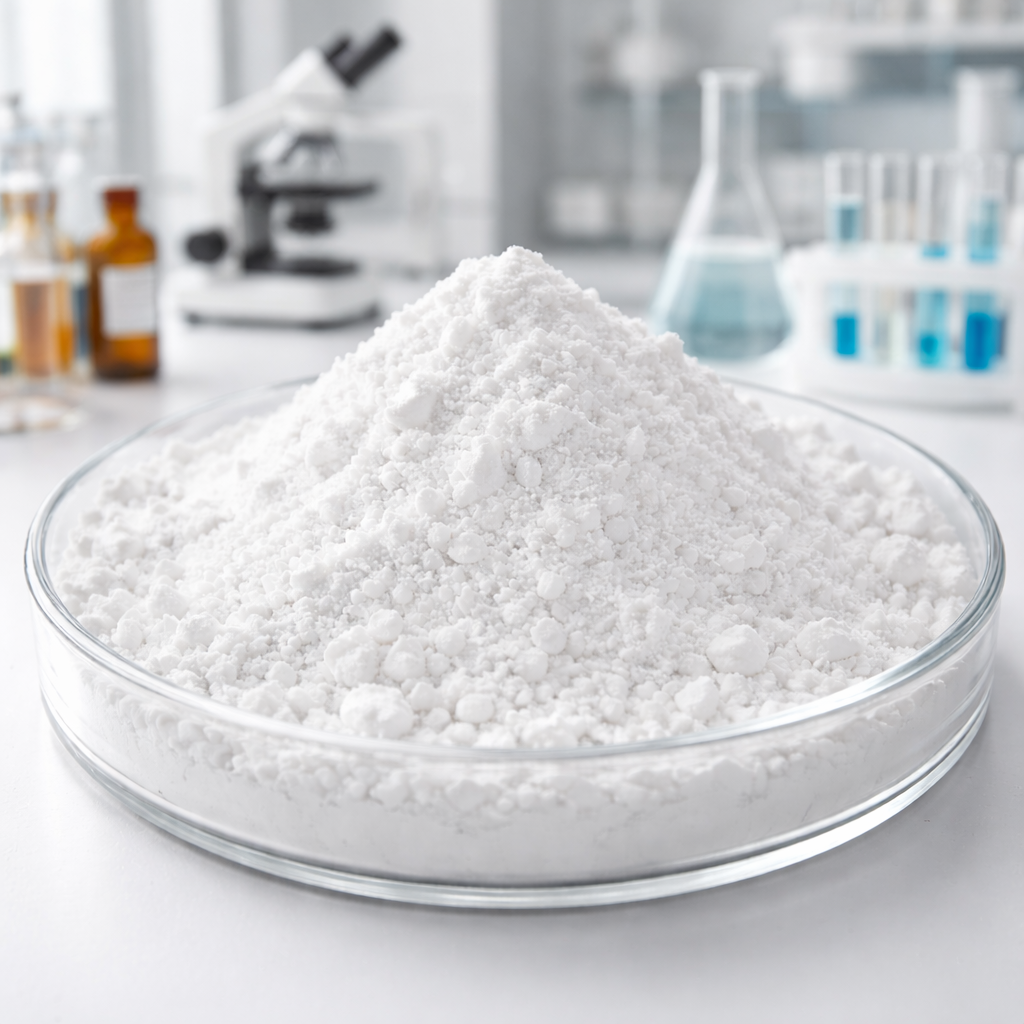
(May 1, 2026) As a key material in the inorganic chemical industry, silica fume (hydrous silica, SiO₂・nH₂O) is entering a golden period of high-quality development driven by three main forces: the upgrading of green tires, the expansion of the new energy industry, and the surge in demand for high-end manufacturing. Currently, the industry is experiencing a structural differentiation characterized by "excessive traditional capacity and insufficient high-end supply." Domestic companies are continuously making breakthroughs in technological innovation, green and low-carbon practices, and global market strategy, facilitating a deep transformation of the industry from "scale expansion" to "value enhancement."
Core demand explosion: The dual engines of tires and new energy drive growth
The core value of silica fume lies in its properties such as reinforcement, thickening, thixotropy, and anti-settling, making it a crucial raw material in industries such as rubber, silicone rubber, coatings, and lithium batteries.
Green tires lead the growth: Under the impetus of the "dual carbon" goals and the European Union's carbon border adjustment mechanism, highly dispersed silica fume has become a key material for green tires. Tires containing silica fume can reduce rolling resistance by 15%-20%, decrease fuel consumption by 5%-8%, and improve wet grip by more than 30%. In 2026, the global demand for highly dispersed silica fume in the tire industry is expected to reach 1.85 million tons, a year-on-year increase of 14.2%, with the Chinese market accounting for over 45%. The consumption of silica fume per tire in new energy vehicles is 15%-20% higher than that in traditional tires, making this segment the fastest-growing area.New energy industries are breaking into new markets and creating opportunities in previously untapped areas: There is a surge in demand for lithium battery separator coatings, silicon-based anodes, and silicone rubbers for new energy thermal management. By 2026, the demand for high-dispersity fumed silica in these sectors is expected to grow by more than 25%. Specifically, the demand for fumed silica in new energy thermal management silicone rubbers will increase by 24.5%, while the markets for medical-grade and feed-grade fumed silica are expected to exceed 1.5 billion yuan and 2.8 billion yuan respectively, with annual growth rates of over 16%.
Traditional industries are also seeing steady progress: The demand in sectors such as coatings, inks, toothpaste, and sealants remains stable. Fumed silica produced by the gas-phase method boasts high purity (≥99.8%) and nano-particle sizes (5-50nm), which gives it a significant competitive advantage in high-end silicone rubbers, cosmetics, and electronic materials. Although the average export price is only 62.3% of that of similar Japanese products, the cost-effectiveness drives continuous increases in exports.
Technology and sustainability are driving development: Domestic companies are making breakthroughs and accelerating their transition to lower carbon emissions
The focus of industry competition is shifting from cost to technological innovation, environmental sustainability, and product differentiation. Domestic firms are rapidly catching up with international giants and even leading in certain areas.
Technological innovation is overcoming bottlenecks: The number of global fumed silica patents is expected to reach 2,340 by 2025, with China accounting for 41.7% of the total applications, ranking first in the world.Domestic enterprises have made breakthroughs in areas such as high-dispersity surface modification, circular economy coupling processes, and nano-particle size control. For example, Jin Sanjiang has introduced a special fumed silica for liquid silicone rubber, which addresses the issue of agglomeration common with traditional precipitation methods while achieving high performance and low costs. Quecheng Co., Ltd. and Linglong Tire have collaborated to innovate, helping domestic high-dispersity fumed silica enter the supply chains of global leaders like Michelin and Bridgestone.
Green and low-carbon practices have become a core competitive advantage: Environmental regulations are tightening, with China implementing stricter industrial sodium silicate wastewater discharge standards in September 2025, reducing the wastewater emission limit per unit of product from 0.6 tons to 0.3 tons. International giants are taking the lead in investing in low-carbon production capabilities; Solvay has opened Europe's first bio-circulating fumed silica plant in Italy, using rice husk ash-based sodium silicate production to reduce carbon dioxide emissions by 35% per ton of product. Domestic companies are also accelerating their efforts to reduce their carbon footprint through process upgrades, wastewater recycling, and comprehensive solid waste management, making green and low-carbon products the mainstream for exports.
Capacity expansion is focusing on high-end products: The global capacity growth rate has slowed to 4.1%, with increased structural differentiation—traditional general-purpose fumed silica capacity is in surplus, with an average industry operation rate of around 78%; however, demand for high-dispersity, gas-phase produced, and medical-grade fumed silica exceeds supply, with capacity utilization rates below 60%.Leading companies are accelerating the deployment of high-end production capacity. Cabot is investing $25 million to expand its gas-phase silica production capacity in India, with an expected start-up in 2027. Domestic companies are focusing on expanding the production of highly dispersed silica and gas-phase silica to replace imports and meet the needs of new energy and high-end manufacturing sectors.
Reconfiguration of the market landscape: The rise of domestic manufacturers and accelerated global expansion
The global silica market size is expected to exceed $10.5 billion in 2026. Chinese companies are seeing a continuous increase in their global share due to cost advantages, technological progress, and well-established supply chains, with diversified development in export markets.
Both export volume and price are on the rise, with high-end products being particularly popular. Since the second quarter of 2026, there has been a concentrated return of overseas orders, leading to a month-on-month increase in China's silica exports. The export volume of highly dispersed, food-grade, and green, low-carbon products has increased by more than 20% year-on-year. Export destinations have shifted from traditional Southeast Asia to the Middle East, Africa, and South America, while exports to the EU have increased slightly by 0.8% due to carbon tariffs.
The competitive landscape is becoming more differentiated, with leading players such as Solvay, Cabot, and Evonik dominating the high-end market. In the domestic market, a first-tier group consisting of "Quecheng Co., Ltd., Jin Sanjiang Co., Ltd., and Shandong Shengtai Co., Ltd." has emerged, competing with smaller manufacturers at different levels.Leading companies are consolidating their advantages through technological research and development, capacity expansion, and overseas expansion, while small and medium-sized enterprises (SMEs) are focusing on niche markets and pursuing a development strategy of specialization, precision, uniqueness, and innovation. The pressure of rising costs has led to high prices: since April 2026, due to increases in the prices of sulfuric acid and energy, the price of silica in major domestic production areas has risen by up to 800 yuan per ton, pushing the industry into a period of high operation supported by strong costs. High-end products, due to tight supply and demand, exhibit greater price resilience and continue to see improved profit margins.
Looking ahead, the silica industry faces both opportunities and challenges, with high-quality development becoming the main theme
In the short term, stricter environmental policies, the transmission of cost pressures, and the optimization of supply and demand patterns will accelerate the elimination of outdated production capacity. In the long term, the popularization of green tires, the expansion of the new energy industry, and the upgrading of advanced manufacturing will continuously drive demand for high-end silica. The market size is expected to reach 13.5 billion US dollars by 2030, with green tires accounting for over 55% of the market.
Domestic companies need to seize these opportunities by focusing on technological innovation, green and low-carbon practices, and upgrading to high-end standards in order to break through core technical bottlenecks and increase product value. At the same time, they should accelerate their global market presence by expanding into overseas markets for high-end customers, promoting China's transition from a "major producer" of silica to a "powerful manufacturing nation."