(April 30, 2026) In recent years, the resource utilization of agricultural waste has become an important starting point for rural revitalization and the dual carbon strategy, and the industrialization project of preparing silica using rice husk ash as raw material has ushered in large-scale production in many places in China, completely opening up the industrial chain from agricultural solid waste to high-end new chemical materials.
In the past, most of the large amount of rice husks produced after rice harvest were piled up at will and burned on the spot, which not only wasted resources, but also caused air pollution and environmental burden. Rice husk ash is rich in high-purity silica, which is a high-quality natural raw material for the preparation of silica, with the natural advantages of low cost, low carbon emission and recyclability.
With the continuous maturity of process technology, since the second quarter of 2026, a number of domestic chemical companies have laid out comprehensive utilization production lines for rice husk ash, using new processes such as low-temperature calcination, alkali solubilization extraction, and precise purification to successfully mass-produce rubber-grade, coating-grade, and daily chemical grade high-purity silica. Compared with the traditional sedimentation method and gas-phase production process, the rice husk ash preparation route greatly reduces the consumption of chemical raw materials such as soda ash and strong acid, significantly reduces the production energy consumption, and solves the problem of agricultural solid waste treatment, achieving a win-win situation of ecological and economic benefits.
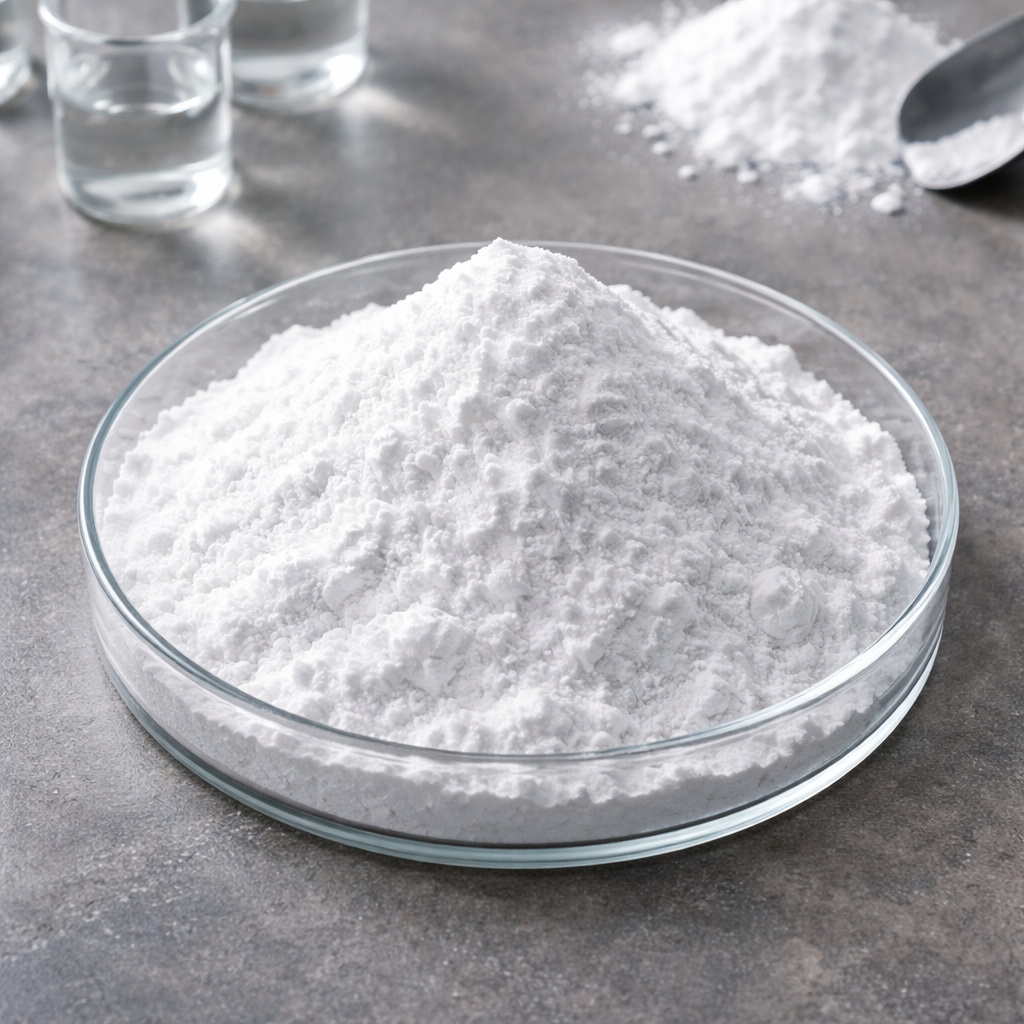
From the perspective of product performance, rice husk gray-based silica has a stable specific surface area and excellent dispersion, which can completely replace traditional process products, and is widely used in tire rubber, anti-corrosion coatings, food anti-caking, silicone rubber products and other fields, with strong market adaptability. With the advantage of low raw material cost, this type of silica is more competitive in market quotation and is favored by small and medium-sized downstream manufacturing enterprises.
Industry insiders said that the popularization of rice husk ash silica industrialization has not only opened up a new path for low-carbon raw materials for the silica industry, but also found a new channel for the value-added monetization of agricultural solid waste for the main grain-producing areas. In the future, with the further optimization of technology and the continuous release of production capacity, it will further promote the silica industry to get rid of the traditional energy-consuming production model and help the chemical industry and agricultural circular economy to deeply integrate and develop.
http://www.iotachem.com