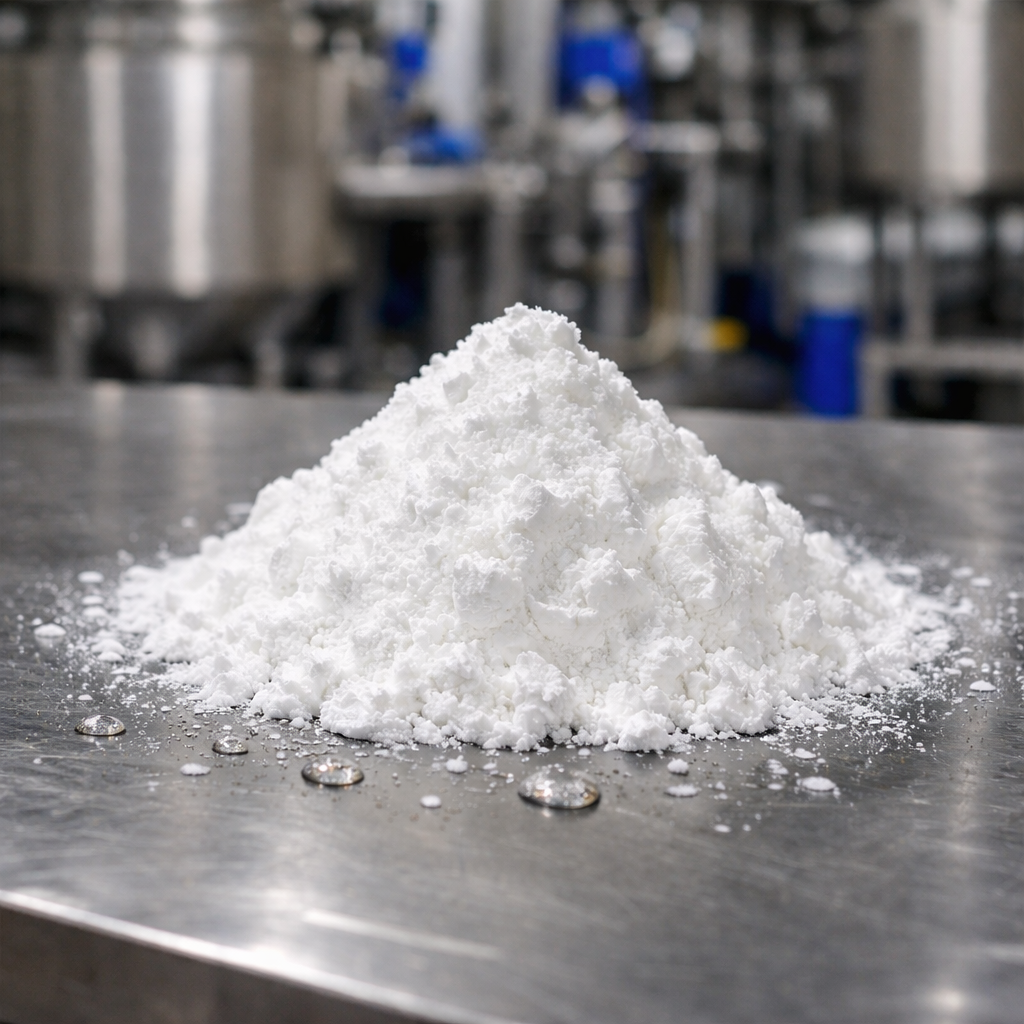
(April 28, 2026) Breaking away from the mature stock market such as traditional tires, coatings, and rubber, silica is rapidly penetrating emerging tracks such as new energy, new materials, precision manufacturing, and environmental protection materials with its excellent characteristics such as reinforcement, thickening, anti-junction, thermal insulation, and hydrophobicity, and has become a new growth highlight in the field of chemical powders.
The growth of traditional consumer sectors is gradually slowing down, the market tends to be saturated, and the rapid rise of emerging industries has opened up a full new market for silica. In the field of new energy storage and lithium battery auxiliary materials, ultra-fine and high-purity silica can be used as a separator coating and electrolyte additive, which plays a role in moisture-proofing, stabilizing, and improving safety performance, and the industry's procurement demand continues to climb.
In the field of new composite materials, silicone elastomers, composite sealing materials, and lightweight industrial components have been mass-produced and expanded, and modified silica as the core functional filler can effectively improve the material's high and low temperature resistance, aging resistance, and mechanical strength, and downstream customized orders continue to increase.
In addition, green environmental protection industries such as environmental protection adsorption materials, soil improvement, and air purification consumables have deeply explored the adsorption and porous structure characteristics of silica, and the demand for niche segment scenarios has increased year by year. In the field of fine chemicals such as food moisture prevention, daily chemical skin care, and oral care, the application scenarios of pharmaceutical-grade and food-grade high-purity silica are also constantly expanding, and the market potential is huge.
Under the change of demand structure, the market requirements for silica indicators are more refined and customized. No longer focus on basic indicators, but specifically require special properties such as hydrophobic modification, nano particle size, high purity, and low impurities, forcing manufacturers to abandon the standardized mass production model and turn to small-batch, multi-specification, and customized production services.
Small and medium-sized manufacturers are limited by technology and R&D equipment, making it difficult to meet the high standards of emerging industries, and their market share is gradually shrinking; Enterprises with R&D strength continue to deepen the research and development of special silica, accurately meet the needs of emerging industries, form differentiated competitive advantages, and avoid homogeneous and low-price involution in traditional markets.
Industry institutions predict that in the next few years, the demand in traditional fields will remain stable, and the emerging high-end track will become the core growth engine of the silica industry. With the continuous expansion of downstream emerging industries, the value of special functional silica will be further released, promoting the comprehensive transformation of the industry from the supply of basic raw materials to the supporting of high-end functional new materials.