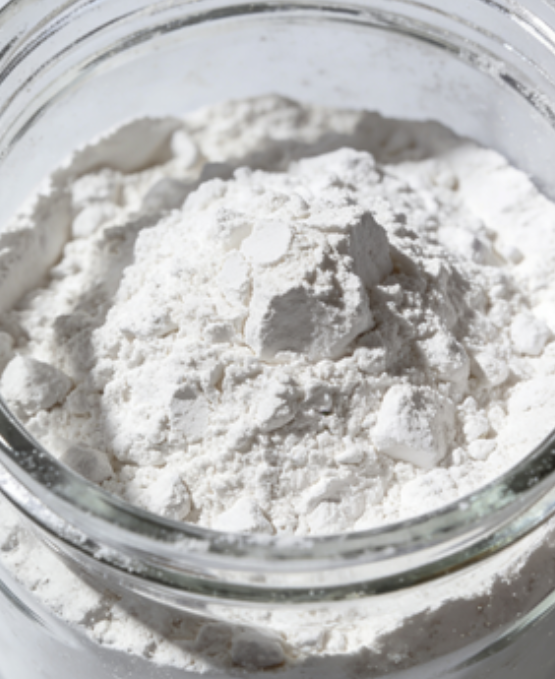
(April 28, 2026) Combined with the latest monitoring data of the chemical market, focusing on the cost side dimension, interpret the current operation status of the silica industry.
Recently, the overall market of chemical raw materials has been running strongly, and the prices of key production auxiliary materials such as soda ash, sulfuric acid, energy fuels, and silicon-based raw materials have remained high for a long time, which is directly transmitted to the production end of silica, greatly increasing the comprehensive manufacturing cost of enterprises. For small and medium-sized manufacturers based on traditional precipitation processes, fixed energy consumption is high, raw material utilization rate is low, cost pressure is particularly prominent, and profit margins are continuously compressed.
At present, the market is clearly differentiated: the downstream of the terminal is cautious in taking goods, and it is difficult to accept large price increases. A large number of small and medium-sized silica manufacturers have been forced to reduce their operating load and control the release of production capacity to alleviate inventory and capital pressure.
In this context, the industry's profitability logic is undergoing a complete transformation. In the past, the development model of relying on large-scale mass production and low-price volume gradually failed, and leading enterprises with the advantages of integrated industrial chain, self-provided raw materials and energy-saving technological transformation have prominent cost control capabilities, stronger risk resistance, and stable profitability.
In order to hedge cost pressure, companies in the industry have started self-help adjustments. On the one hand, accelerate the optimization of product structure, reduce the output of low-margin general-purpose silica, increase the production of modified silica, nano silica, and special customized models, and rely on high value-added products to increase premiums; on the other hand, promote energy-saving transformation of equipment and optimization of production processes, reduce the comprehensive consumption of water, electricity and gas, and achieve cost reduction and efficiency increase from within.
In addition, enterprises are also adjusting inventory and sales strategies, flexibly locking long orders, expanding long-term cooperative customers, and avoiding risks caused by short-term fluctuations in raw materials. At the same time, relying on refined management, it optimizes the production process, reduces material loss, and comprehensively hedges the impact of rising external costs.
Industry analysis shows that the high-cost cycle of raw materials is difficult to end in the short term, and the era of extensive development of the silica industry has officially ended. In the future, cost control capabilities, technology research and development strength, and high-end product layout will become the key to measuring the core competitiveness of enterprises, and the entire industry will accelerate into a new stage of development of survival of the fittest, high quality and high price.
http://www.iotachem.com