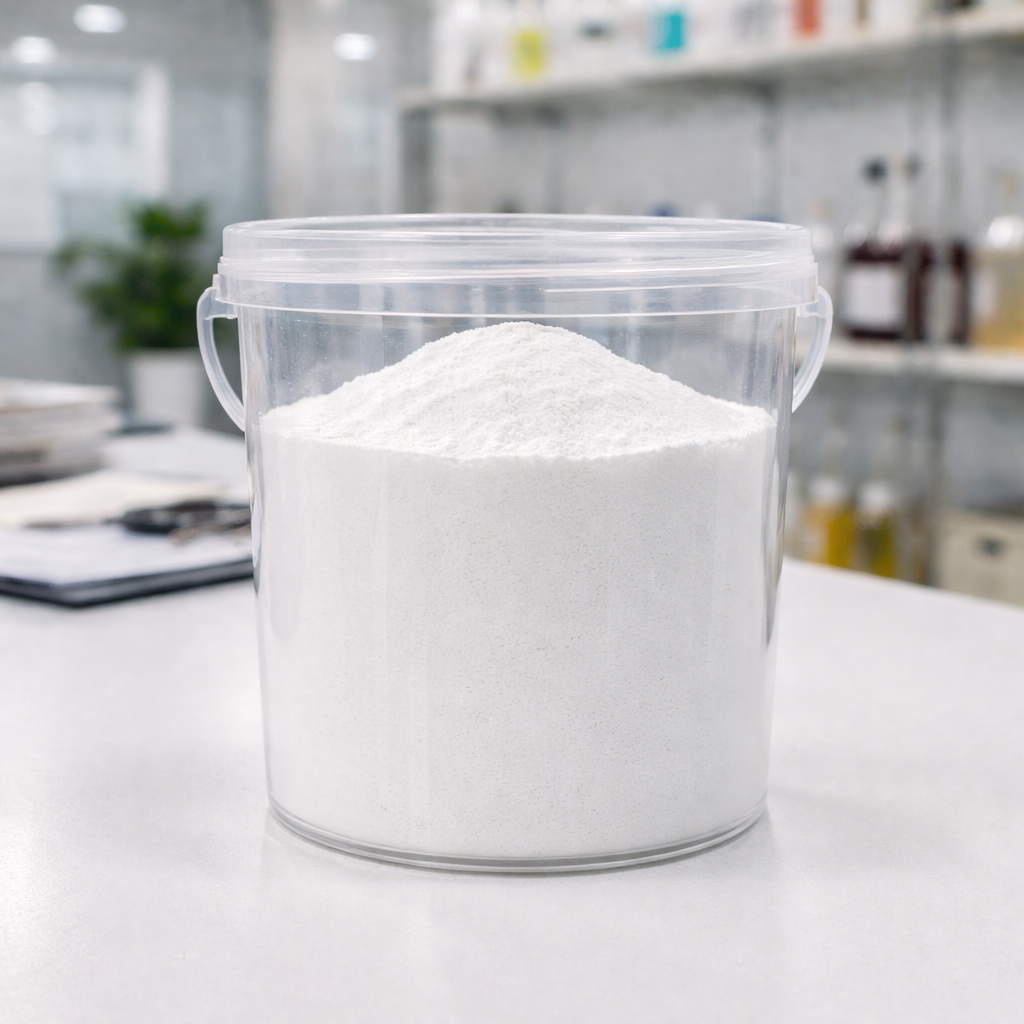
(April 28, 2026) The latest industry survey shows that driven by the adjustment of the global chemical supply chain and the rigid demand of overseas downstream, the domestic silica foreign trade market has ushered in a continuous recovery, becoming one of the core driving forces for the growth of the entire industry, changing the previous single pattern of relying on domestic demand to digest production capacity.
Recently, in the international market, the procurement activity in the fields of Southeast Asian rubber processing, European high-end coatings, and North American daily chemical consumables has increased significantly, and the demand for various sub-categories of silica has continued to be released. Compared with similar international products, domestic silica has outstanding advantages in quality stability, delivery cycle and comprehensive cost performance, and cross-border trade channels have been continuously improved, and the foreign trade orders of small and medium-sized chemical production enterprises have steadily increased.
In terms of subdivided categories, modified hydrophobic silica, high-dispersion silica for rubber reinforcement, and filler-grade products for industrial bonding sealants have the most obvious increase in overseas inquiries. With the gradual improvement of overseas green trade rules, manufacturers with low-carbon production processes and environmental compliance qualifications have further amplified their advantages in international bidding, and the proportion of exports of high value-added customized products has continued to increase.
On the other hand, in the domestic local market, the competition in the industry stock tends to be flat, downstream tire, silicone, and coating enterprises mainly purchase on demand, the pace of replenishment is rational, the overall market is calm and stable, and the room for domestic trade price fluctuations is limited. The obvious contrast between the internal and external markets has also made more and more silica manufacturers adjust their business strategies and shift from domestic sales to internal and external dual circulation layouts.
At the same time, policies such as raw material control, environmental protection production restrictions, and dual control of energy consumption continue to restrain the disorderly expansion of inefficient and backward production capacity. Market resources are further concentrated in compliant, large-scale, and foreign trade qualifications and high-quality small and medium-sized enterprises, and the degree of industry standardization continues to improve.
The industry view points out that the global demand for functional powder materials will exist for a long time, and the dividend of silica going overseas will continue. In the future, enterprises can rely on product modification and upgrading, customized services, and green production upgrades to further consolidate overseas market share, drive the long-term development of enterprises through foreign trade increments, and promote domestic silica to occupy a higher voice in the global industrial chain.