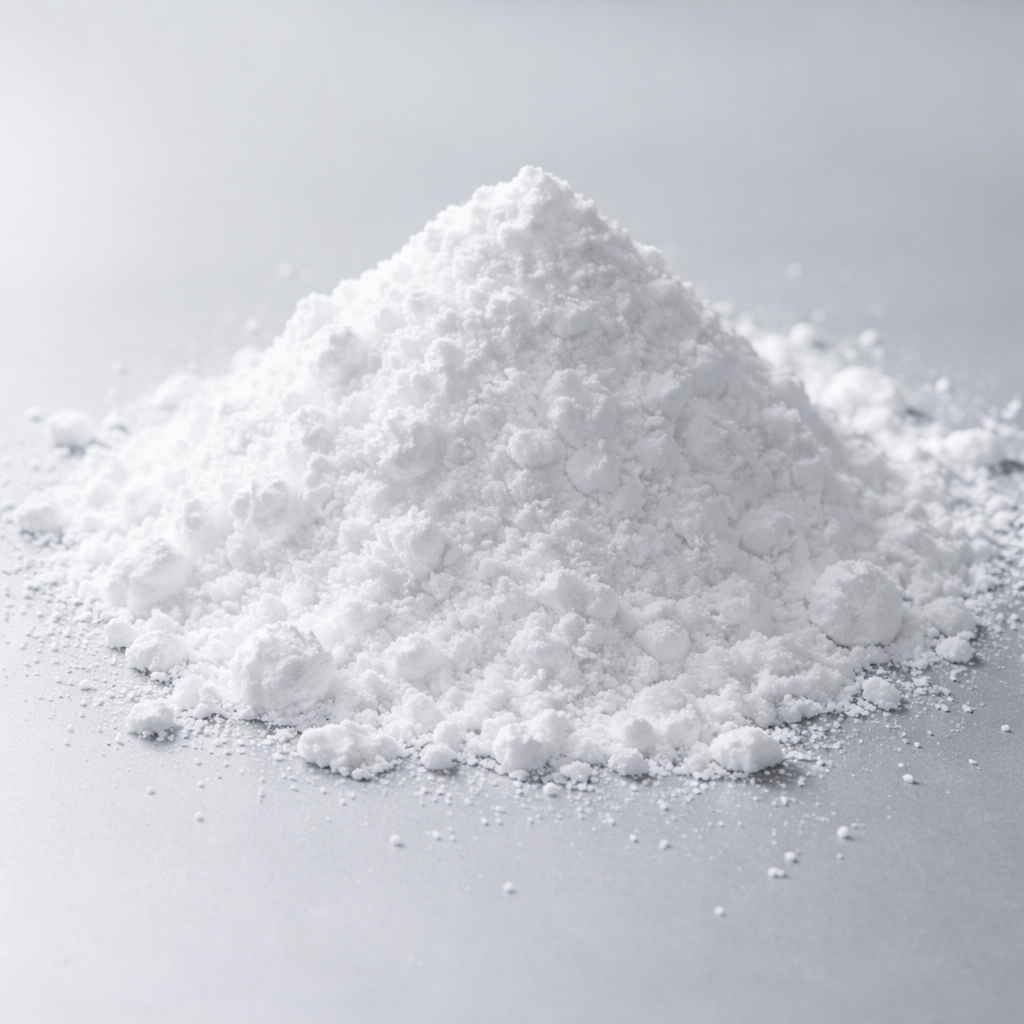
(April 23, 2026) Since 2026, the domestic silica industry has been undergoing a profound industrial transformation. It is no longer limited to technological breakthroughs in a single sector or price fluctuations, but rather focuses on three core areas: the coordination of upstream and downstream industries in the supply chain, the optimization of regional capacity distribution, and the expansion of new application scenarios. As a result, a new development pattern characterized by diversification and high quality is gradually taking shape. With the deepening cooperation between upstream and downstream companies, the emergence of regional industrial clusters, and the growing demand in emerging fields, China's silica industry is breaking away from traditional development bottlenecks and transitioning from "scale expansion" to "quality improvement and structural optimization." The resilience and vitality of the industry are continuously strengthening.
As an important branch of the inorganic silicon materials industry, the development of silica is closely linked to upstream silicon raw materials and chemical additives, as well as downstream industries such as tires, new energy, and electronics. The level of coordination within the supply chain directly determines the quality of industry growth. In the past, there were issues within the domestic silica industry, such as a disconnection between upstream and downstream sectors and insufficient collaboration. Fluctuations in upstream raw material supply and delayed feedback from downstream demand led to passive adjustments in company production plans, resulting in products that were not well-matched to market needs. Since 2026, this situation has significantly improved. Upstream and downstream companies have established strategic partnerships, jointly built research and development platforms, and shared market information, thereby creating a positive cycle of coordinated development within the supply chain.
At the upstream raw material stage, companies that produce the core ingredients for white silica, such as sulfuric acid, soda ash, and sodium silicate, sign long-term supply agreements with white silica manufacturers. These agreements lock in raw material prices and stabilize supply channels, effectively mitigating the impact of price fluctuations on production. Additionally, raw material companies collaborate with white silica manufacturers in research and development efforts. They optimize parameters such as raw material purity and particle size to improve the suitability of the materials for white silica production and reduce losses and energy consumption during the manufacturing process. For example, large domestic soda ash producers have partnered with leading white silica companies in Shandong and Jiangxi to produce high-purity soda ash with low impurities. This has increased the purity of white silica products by 3-5 percentage points and reduced production energy consumption by more than 8%, achieving a win-win situation for both upstream and downstream industries.
On the downstream application side, white silica manufacturers proactively meet the needs of various industries by providing customized products that are well-matched to specific application scenarios. In response to the trends of "greening, lightweighting, and energy efficiency" in the tire industry, white silica companies develop and produce highly dispersed white silica with low rolling resistance. They collaborate with tire manufacturers to conduct application tests and optimize product formulations, significantly enhancing tire durability and fuel economy. Such products have been widely adopted by many mainstream tire manufacturers in China, resulting in a continuous increase in market share.In the field of new energy, silica as an important additive for lithium battery separators and photovoltaic module packaging materials has attracted widespread attention for its insulation properties and high-temperature resistance. Silica companies are collaborating with new energy enterprises to establish joint research and development laboratories to develop specialized products that meet the needs of the high-quality development of the new energy industry.
The optimization of regional distribution is another highlight in the development of China's silica industry in 2026. For a long time, domestic silica production capacity has been mainly concentrated in traditional production areas such as Shandong, Jiangxi, and Jiangsu, which have faced issues such as uneven regional distribution, excessive environmental pressures in some areas, and high logistics costs. Since 2026, driven by industrial policies and market demand, the regional layout of the silica industry has gradually improved towards a focus on "resource concentration, compliance with environmental standards, and convenient logistics," leading to a new pattern characterized by "quality enhancement in traditional production areas and expansion in emerging production areas."
In terms of traditional production areas, key regions like Shandong and Jiangxi have accelerated the phase-out of outdated production capacity and promoted green technological upgrades in existing enterprises to improve capacity utilization efficiency and environmental management levels. For example, the Jiujiang Silica Industry Cluster in Jiangxi has implemented centralized wastewater treatment plants and exhaust gas treatment facilities, achieving centralized treatment of wastewater and exhaust gases within the region.
This has significantly reduced the environmental management costs for enterprises while encouraging them to optimize their production processes and focus on developing high-end, specialized silica products, thereby gradually moving away from low-end homogeneous competition.In terms of emerging production areas, regions such as Sichuan, Inner Mongolia, and Yunnan have leveraged their abundant local silica and energy resources to attract enterprises involved in the production of fumed silica, thus fostering the development of new industrial clusters. For example, Leshan in Sichuan is planning a project to produce 100,000 tons of fumed silica annually, utilizing green and low-carbon production methods. The project is expected to be completed and operational by 2027, which will help fill the gap in high-end fumed silica capacity in the southwestern region and reduce regional logistics costs.
It is noteworthy that the continuous expansion of new application scenarios has injected new growth momentum into the fumed silica industry. In addition to traditional sectors like tires, rubber, and coatings, the demand for fumed silica has rapidly increased in emerging fields such as electronics, pharmaceuticals, food, and environmental protection since 2026, providing significant support for the industry's diversification. In the electronics sector, high-end fumed silica produced by gas-phase methods is widely used in semiconductor packaging and insulating coatings for electronic components. Domestic companies have developed fumed silica products that meet international advanced performance standards and are gradually replacing imported ones. In the pharmaceutical industry, food-grade and pharmaceutical-grade fumed silica are used as anti-caking agents and flow aids in the production of medicines and health products, with market demand growing as the domestic pharmaceutical sector continues to develop at a high quality pace.
In environmental protection, fumed silica's excellent adsorption properties make it useful for wastewater treatment and exhaust gas purification, contributing to the development of green and sustainable industries.In terms of market operations, benefiting from the coordinated optimization of the industrial chain, the improvement of regional layout, and the release of emerging demands, the domestic silica gel market remained stable in 2026, with a continuous upgrade in product structure. As of April 23, the national mainstream benchmark price for precipitated rubber-grade silica gel was 6066.67 yuan per ton, while the transaction price for industrial-grade products in the main production areas remained between 6300 and 7000 yuan per ton. The prices for high-end specialty silica gel products continued to be strong, with silicone rubber-grade silica gel priced at 6800-8000 yuan per ton, and electronic and pharmaceutical-grade silica gel exceeding 10,000 yuan per ton. There is strong market demand and a shortage of supply.
Industry experts analyze that the three key areas of development for China's silica gel industry over the next few years will be industry chain collaboration, regional optimization, and new applications. As synergies continue to be realized, regional layouts are further improved, and new application scenarios expand, China's silica gel industry will gradually develop into a high-quality development pattern characterized by "upstream and downstream integration, regional collaboration, and diversified products." At the same time, competition in the industry will shift from price competition to technical competition, product competition, and service competition. Enterprises with core technologies, comprehensive industrial chain layouts, and precise alignment with downstream demands will take a dominant position in the market.
To promote the sustainable and healthy development of the industry, experts in the field suggest that relevant companies should further strengthen collaboration within the industrial chain, enhance coordination with upstream and downstream enterprises, and improve the overall competitiveness of the industry. They should also increase investment in research and development for emerging application areas, expand product use cases, and boost the added value of their products. At the same time, companies should actively respond to the demands of green and low-carbon development by adopting new environmental protection processes and technologies to reduce production energy consumption and environmental emissions. Government departments should continue to improve industrial policies, provide more support for emerging production areas, guide orderly competition within the industry, and facilitate higher-quality development of China's silica microsphere industry, helping the country transition from a major producer of inorganic silicon materials to a global leader in this field.