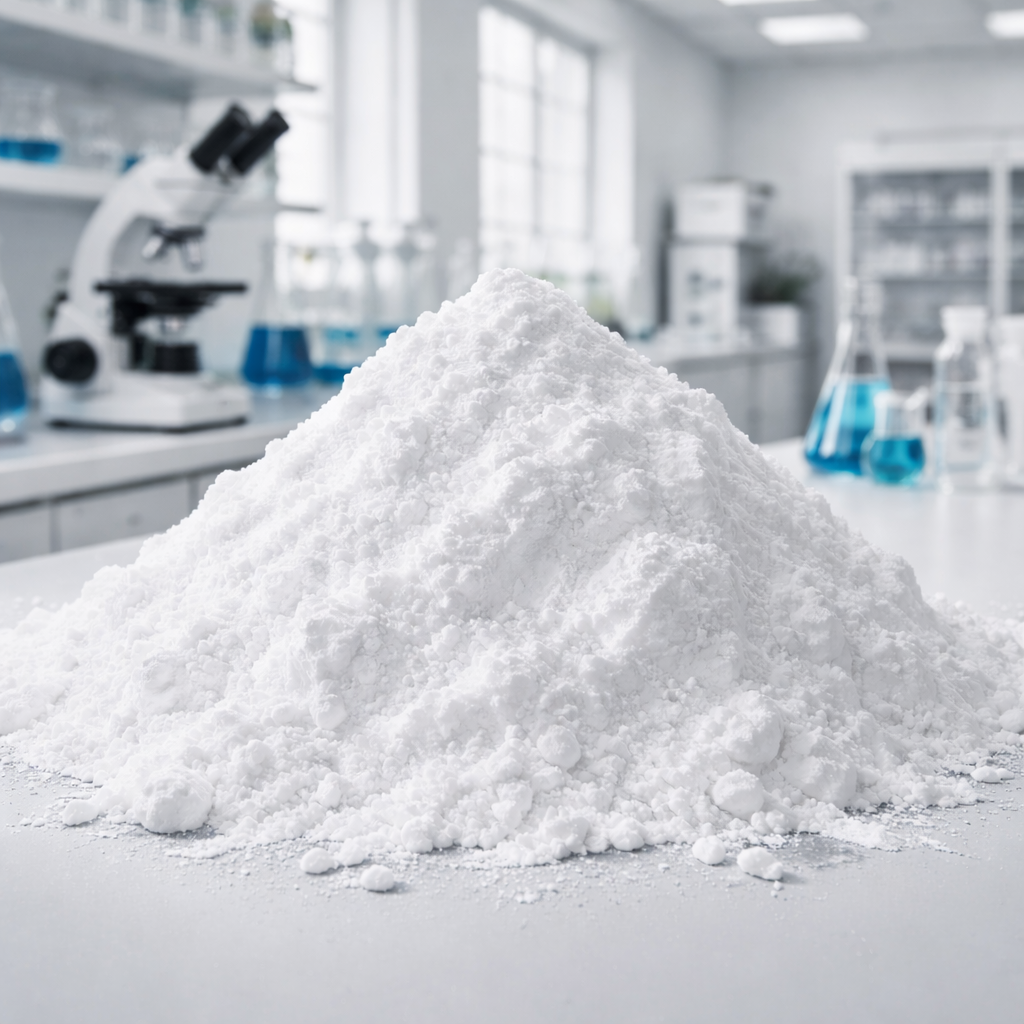
(April 23, 2026) Recently, the market operation trend of the domestic silica (hydrated silica) industry continues to be clear, and after the transmission of raw material price increases in the early stage, the current overall price has entered a high and stable range, and the industry supply and demand pattern and product structure differentiation characteristics continue to be highlighted.
According to the latest industry monitoring data, as of April 23, the national mainstream benchmark quotation of domestic precipitation rubber-grade silica was stable at 6066.67 yuan/ton, and the transaction price of industrial-grade products in Shandong, Fujian, Jiangxi and other major production areas remained at 6300-7000 yuan/ton; the price of high-end silicone rubber special silica was 6800-8000 yuan/ton, and the price of high-end silica in the gas phase method was still strong, with a range of 16000-32000 yuan/ton.
The core driving force of this round of market prices is from the continued high cost of upstream raw materials. As the core raw material for silica production, the price of sulfuric acid has risen sharply since the beginning of the year, and the energy cost of soda ash and coal has risen, which has significantly pushed up the production cost of enterprises. Previously, a number of leading domestic enterprises have uniformly raised the ex-factory price, with an increase of 500 yuan / ton, and the current price increase market has been fully implemented, and there is no obvious price fluctuation in the market for the time being, mainly to digest the previous increase and stabilize shipments.
The demand for downstream applications has recovered steadily, and the operating rate of traditional fields such as tire rubber, silicone rubber, coatings, and sealing materials has rebounded, and the procurement of rigid demand has been stable. At the same time, orders in overseas markets continued to grow, and the export of highly dispersed and environmentally friendly silica performed well, and the purchase volume in Southeast Asia, Europe and the Middle East increased significantly, becoming a new growth engine for the domestic industry.
Industry analysis pointed out that in the short term, the domestic silica market will continue the pattern of stable prices for general products and tight demand for high-end products. With the tightening of environmental protection policies in the industry, the continuous clearance of low-end backward production capacity, and the gradual commissioning of green and low-carbon new process projects, the industry is upgrading in the direction of high-end, refinement and low-carbon, and the long-term market structure will continue to be optimized.