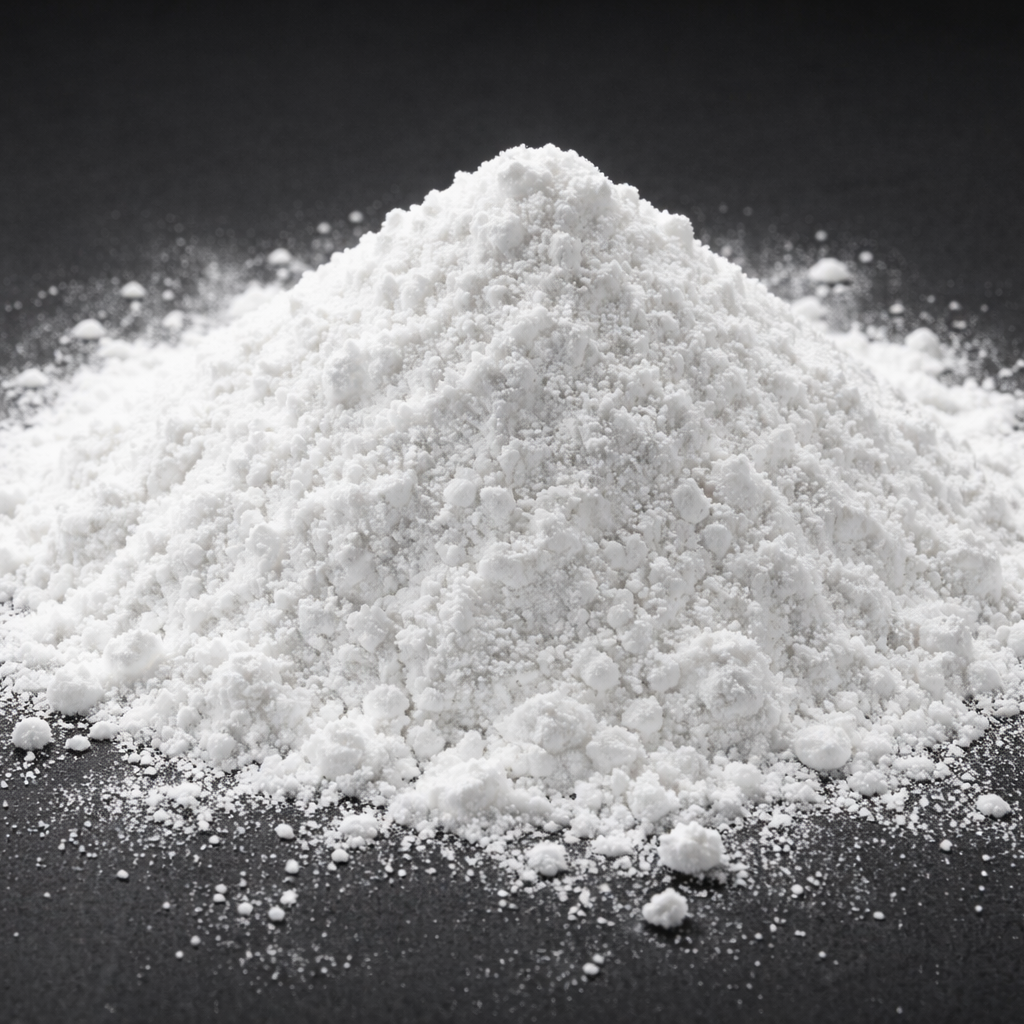
(April 21, 2026)As a fine inorganic new material with an extremely wide range of applications, fumed silica permeates numerous core sectors such as the rubber industry, daily-use chemicals, composite materials, and construction materials. It constitutes a crucial functional raw material in the modern industrial system. Entering the second quarter of 2026, adjustments in the global raw material supply chain, differentiated demand patterns in downstream industries, and varied R&D strategies among companies have led to a departure from the previous uniform market development model in China’s fumed silica industry. As a result, the overall industrial landscape is undergoing a new round of profound adjustments, with the focus of competition shifting entirely.
Overcapacity in general-purpose products has exacerbated the problem of vicious market competition.
Currently, China boasts the largest fumed silica production capacity in the world. Years of extensive expansion have resulted in consistently high supplies of fumed silica produced by conventional precipitation methods. General-purpose products have relatively low technical barriers to entry, leading to a situation where numerous small and medium-sized manufacturers offer products with similar performance and standardized specifications. This has plunged the market into a cycle of low-price competition.
Downstream buyers with traditional procurement power are increasingly able to influence prices, further squeezing the profit margins of general-purpose products and dragging down the overall profitability of the industry. At the same time, inventory turnover rates for conventional products have slowed down. The traditional business models that rely solely on increasing production volumes and lowering prices can no longer be sustained. The entire industry urgently needs to break out of this homogenized situation and seek new ways to survive through product differentiation.
The Rise of Niche Markets: Differentiated Products Become a New Driving Force for Development
Against the backdrop of saturation in the general market, the growing demand for specialized materials in various niche areas has become a key factor in breaking through industry barriers. Thanks to advancements in surface modification technologies, particle size control techniques, and high-purity refining processes, a range of customized silica products has seen rapid development.
Hydrophobically modified silica is ideal for use in high-end coatings and inks, as it can enhance the thixotropic properties of formulations and improve the material’s weather resistance. Highly active reinforcing silica is well-suited for high-end silicone rubber products, significantly increasing their toughness and service life. Low-heavy-metal-content, high-purity silica products have found a strong market in food, personal care, and pharmaceutical industries, meeting the strict safety standards set by these sectors. The demand for these niche products is independent and stable, providing ample room for price premiums and enabling companies to move away from low-price competition and focus on developing more sophisticated products.
Technological Independence Leads to Faster Domestic Substitution in High-End Fields
For a long time, the core production technologies for high-end specialty silicas and fine fumed silicas have been largely in the hands of foreign companies. As a result, China’s high-end market has relied heavily on imports, resulting in high procurement costs and potential supply chain uncertainties.
However, with the advancement of China’s strategy to develop its own chemical materials industry, domestic companies have begun collaborating with research institutions to tackle technical challenges. They have optimized synthesis processes and improved purification and post-treatment techniques, achieving significant breakthroughs in key indicators such as product dispersity, structure, and purity stability.Today, the quality of domestically produced high-end fumed silica continues to meet international standards, and these products are gradually making their way into the high-end supply chains in various industries, replacing imports. This not only fills the gap in high-end materials in China but also enables the country to gradually take control of the pricing in these markets.
The coordinated development of the entire industry chain is leading to long-term positive trends
As the product structure continues to improve and the division of labor among companies becomes clearer, leading enterprises focus on the research and development of high-end products and large-scale green production, while smaller companies target more niche regional markets. As a result, the phenomenon of disorderly competition within the industry is gradually diminishing. The increased cooperation between upstream and downstream players ensures a stable supply of raw materials and precise matching of demand in various applications, thus creating a virtuous cycle within the industry.
Industry experts predict that in the future, the fumed silica industry will completely move away from its past era of extensive expansion and will rely on technological barriers, customized solutions, and consistent quality as its core competitive advantages. As domestic technologies continue to mature and niche markets expand, the overall profitability of the industry will improve, and China’s position within the global supply chain will also strengthen steadily.