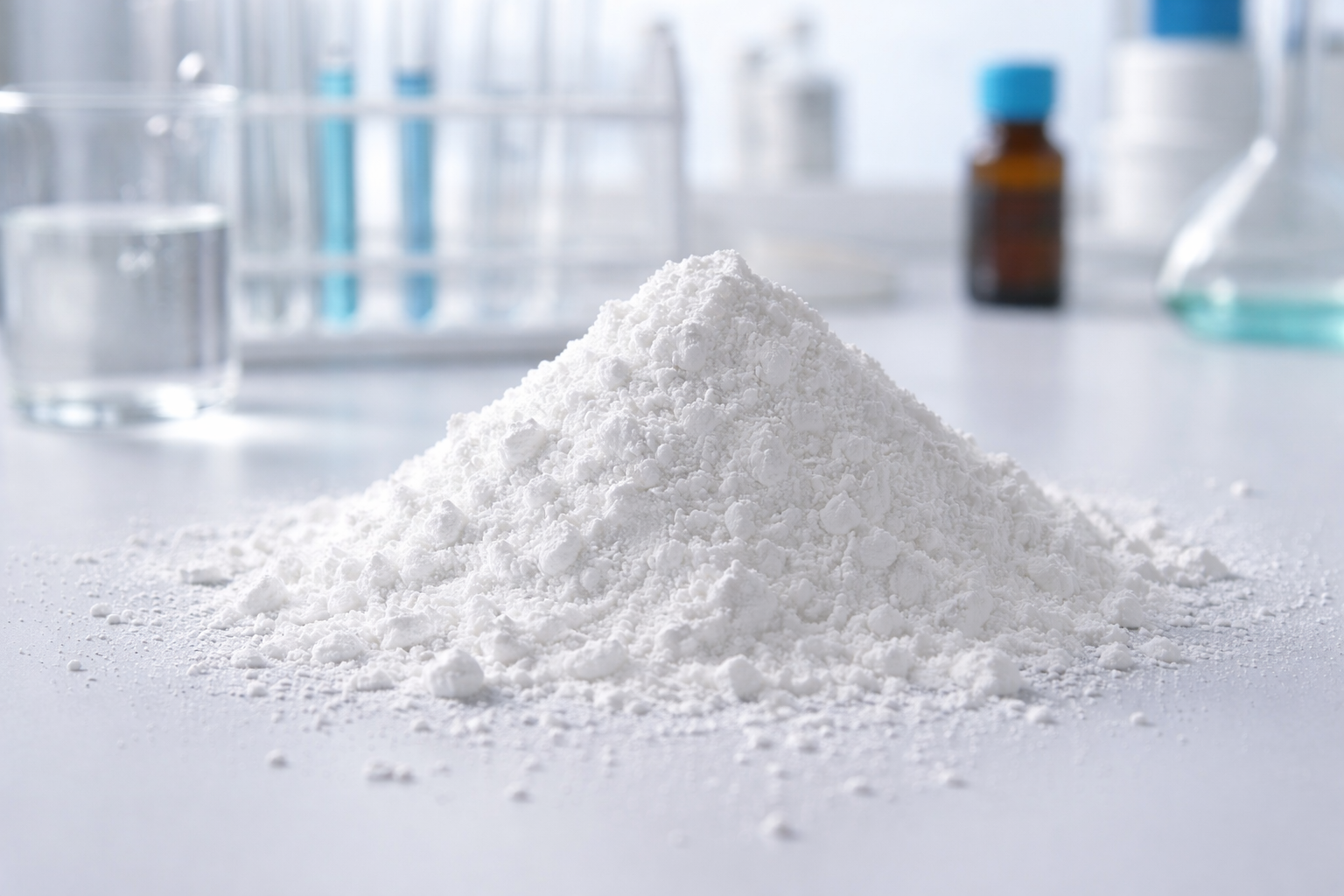
(April 21, 2026)As an important inorganic non-metallic new material in the field of fine chemicals, silica is widely used in rubber, sealant, coating, daily chemical, new energy and many other industries, and is an indispensable functional filler in industrial production. Recently, with the continuous deepening of the green development policy of the domestic chemical industry and the continuous adjustment of the downstream industrial structure, China's silica industry has bid farewell to extensive capacity expansion and carried out all-round transformation around environmental protection governance, product structure optimization, and industrial chain quality and efficiency improvement, and the industry development pattern has ushered in new changes.
The tightening of environmental protection policies has forced the optimization of industry production capacity
For a long time, the traditional silica production process has a large water resource consumption, and the production process is easy to produce wastewater, waste gas and waste residue, and the environmental protection treatment cost is high. In recent years, environmental protection supervision has been carried out on a regular basis, and the pollutant discharge standards of the chemical industry have continued to improve.
A large number of low-end backward production capacity has gradually withdrawn from the market in an orderly manner, and the industry no longer blindly pursues the growth of production capacity, and the overall supply pattern tends to be standardized. At the same time, leading enterprises have comprehensively promoted the green transformation of production lines, upgraded water recycling systems, optimized exhaust gas purification processes, reduced pollutant emissions in production processes, and improved the comprehensive utilization rate of resources. Through process and technical transformation, energy-saving equipment replacement, solid waste resource utilization, etc., the overall energy consumption and pollutant discharge of the industry have decreased significantly, green and low-carbon production has become a hard standard for the development of the industry, and the trend of industrial intensification has become more and more obvious.
Downstream diversified demand promotes high-end product transformation
In the past, the domestic silica market has long been dominated by ordinary general-purpose products, and the industry is highly competitive, relying on price to seize the market, and the added value of products is low. Nowadays, with the upgrading of industries in various downstream fields, the market demand structure has undergone significant changes.
The traditional tire industry is developing in the direction of green and low rolling resistance, and the performance requirements for high-dispersion silica are constantly improving. In the fields of silicone rubber, high-end adhesives, and new building materials, there is an urgent need for special silica with stable performance and excellent surface modification effect; the daily chemical, food and pharmaceutical industries strictly require special products with high purity, low impurities and safety standards. In addition, the rapid rise of the new energy industry, battery materials, photovoltaic sealing accessories and other emerging fields have brought a full new market for special nano silica.
Enterprises have increased investment in scientific research, accurately regulated product specific surface area, particle size, dispersion and other indicators, developed customized modified products, gradually made up for the shortcomings of high-end product supply, and effectively alleviated the situation of high-end materials dependent on imports.
The improvement of the industrial chain helps improve the competitiveness of domestic materials
In the process of industrial transformation, the upstream and downstream industrial chains of domestic silica are becoming more and more closely linked. The supply of upstream raw materials tends to be stable, the midstream production technology continues to improve, and the downstream application development continues to extend, and the complete industrial system effectively reduces comprehensive production costs and improves the stability of product supply.
In the international trade market, China's silica export structure continues to be optimized, no longer limited to the export of low-end bulk products, and the proportion of high-end products such as high dispersion, modification and high purity continues to increase.
Industry analysts believe that in the future, the silica industry will continue to develop steadily around green production, fine research and development, and high-end applications. With the continuous deepening of product iteration, the domestic silica industry will achieve high-quality development of the whole chain and continue to consolidate its own advantages in the domestic new material industry and the global fine chemical market.